Portugal’s road and rail transport is moving more people in 2025, but the bigger economic story is that the system is doing so under heavier cost pressure, a reminder that logistics remains one of the economy’s most important inflation channels.
Portugal transport volumes rise as freight weakens
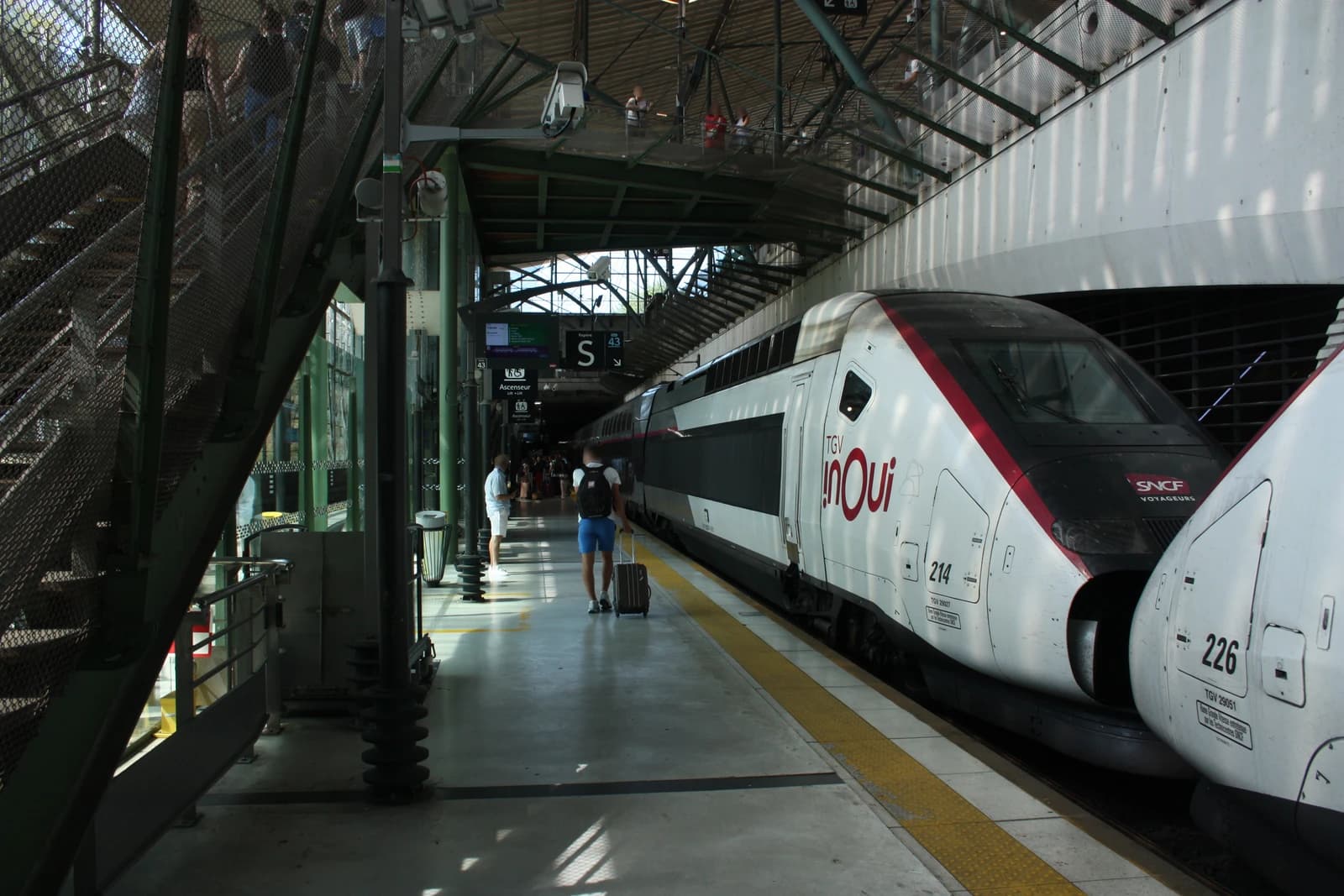
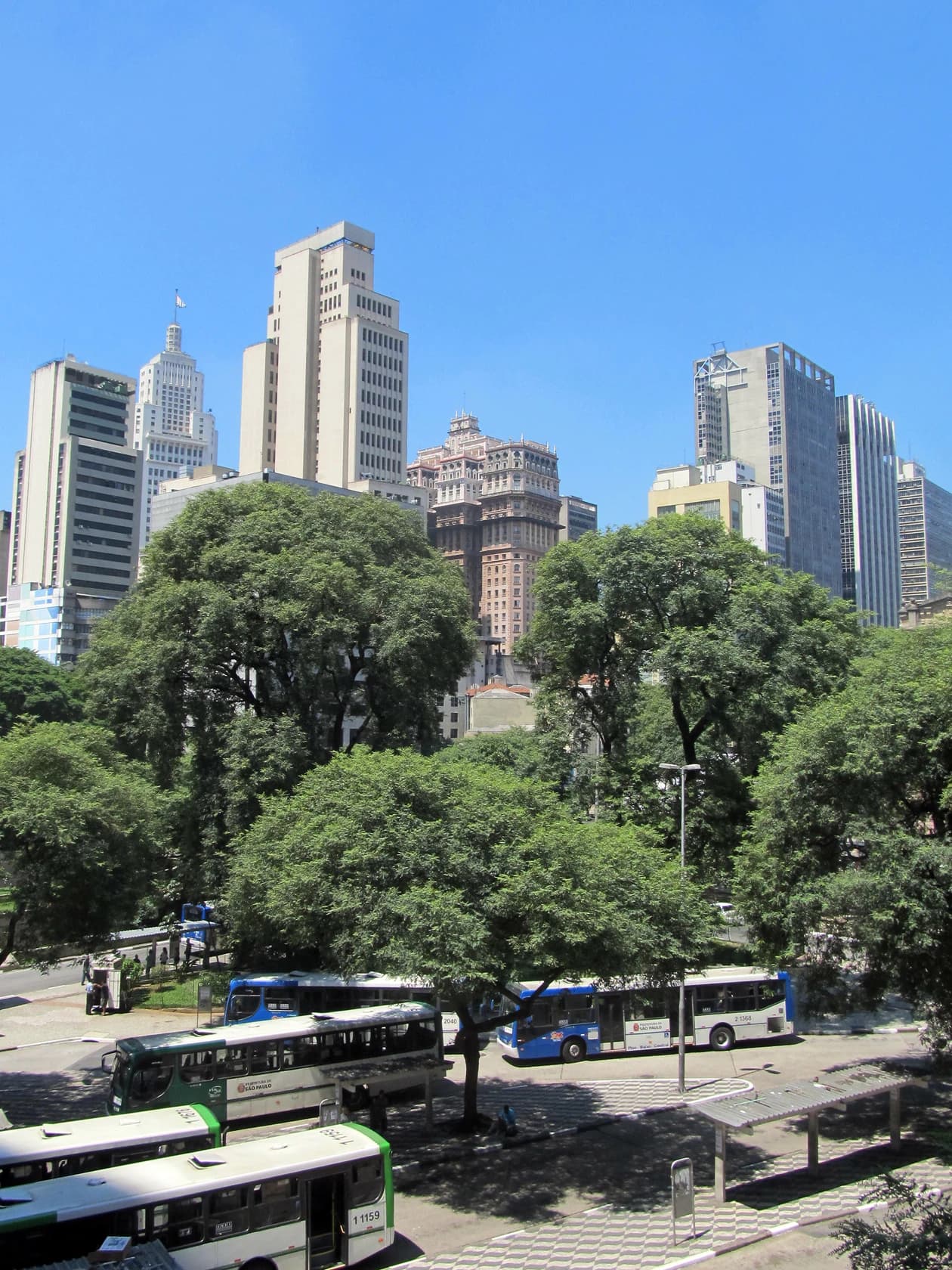
Passenger traffic on road transport rose 9% to 632.2 million and rail traffic climbed 10% to 240.7 million, according to the National Statistics Institute, while metro use increased only 0.5%. Airports also handled more travelers, with passenger movement up 4.7% to 73.8 million, showing that mobility demand remains resilient even as businesses and households grapple with pricier fuel and electricity.
Sentiment Indicators
That matters because transport demand is not just a tourism or commuting story. It feeds directly into economic activity, productivity and pricing power across the economy. When more people are moving by road and rail, freight networks, operators and infrastructure assets typically see better utilization. But the same environment can also lift costs for shippers and consumers if energy prices keep filtering through the system. Portugal’s wholesale inflation jumped 12.29% in October, driven largely by fuel and electricity, underscoring why transport is such a sensitive transmission mechanism for inflation.
For investors, the split is clear. Passenger growth is constructive for operators tied to mobility and infrastructure, but it comes with an inflationary backdrop that can squeeze margins for transport-heavy businesses and keep pressure on household spending. Rail companies and logistics providers can benefit when volumes improve, especially if they have pricing power or fuel surcharges, but truckers, ports and cargo handlers face a tougher mix when fuel and power costs rise faster than demand.
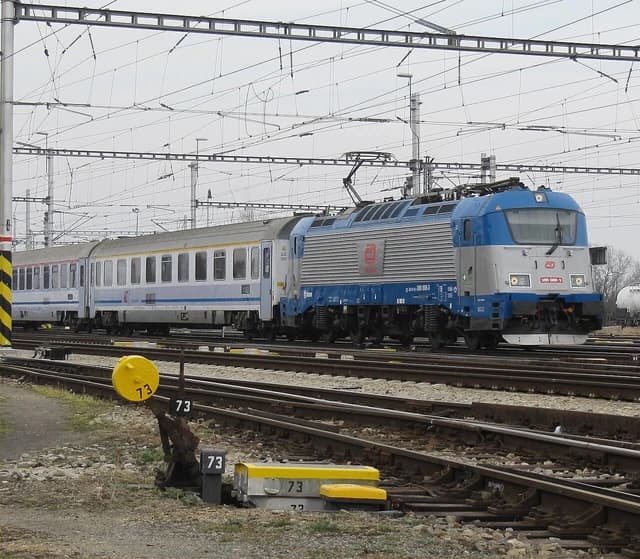
The cargo side is less encouraging. Freight by road fell 7.4% to 128.5 million tonnes and cargo moving through national ports declined 6.3%, while airport freight eased 0.5%. Rail freight was a rare bright spot, rising 8.0% to 8.5 million tonnes, suggesting some share gains for the lower-emission mode even as the broader freight market softens.
The narrative here is straightforward: Portugal’s transport system is still expanding, but it is doing so in an inflation-prone economy where energy, logistics and consumer prices are tightly linked. That makes road and rail operators worth watching, but investors should focus on balance sheets, fuel sensitivity and the ability to turn volume growth into free cash flow. In a market like this, the winners are usually the businesses that can carry more traffic without letting costs run away from them.
| Entity | Gains | Losses |
|---|---|---|
| Road and rail operators | ▲Higher passenger volumes | ▼Cost inflation pressure |
| Rail freight | ▲Volume share gains | ▼Broad cargo slowdown |
| Households and shippers | ▲Better mobility access | ▼Higher transport costs |
| Ports and road cargo | ▲— | ▼Falling freight volumes |