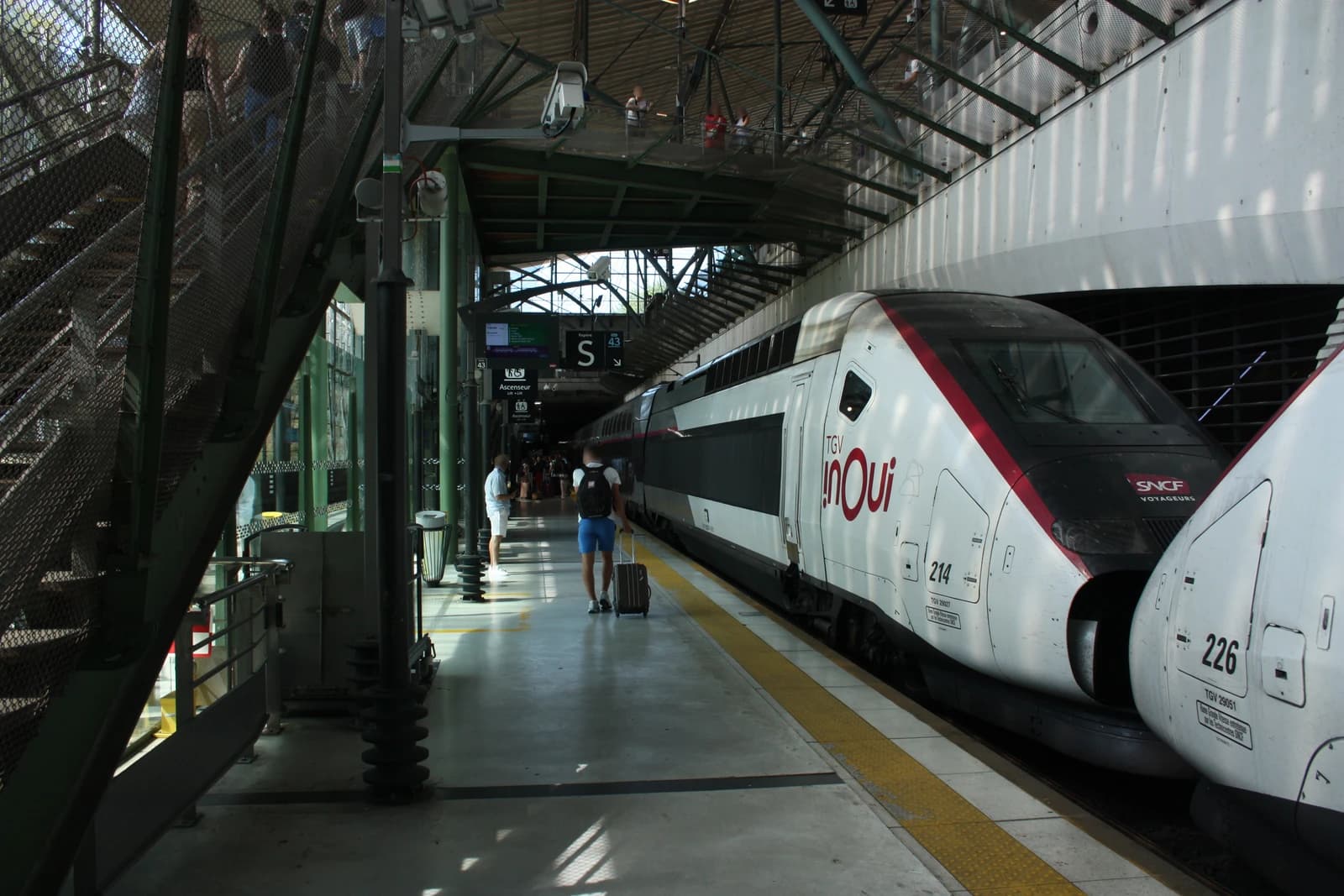
Regional public transport fares are headed higher next year, with ticket prices set to rise by about 10% as stubbornly elevated diesel costs and labor expenses squeeze bus operators and leave little room to cut prices.
Vietnam transport fares to rise about 10%
The increase matters because transport is one of the clearest channels through which fuel inflation reaches households and businesses. Diesel still sits near 27,000 dong per liter despite recent declines in gasoline, keeping operating costs high for buses and other diesel-dependent services. That leaves operators with a familiar choice: absorb the hit, which erodes margins, or pass it on to passengers, which lifts the cost of commuting and freight.
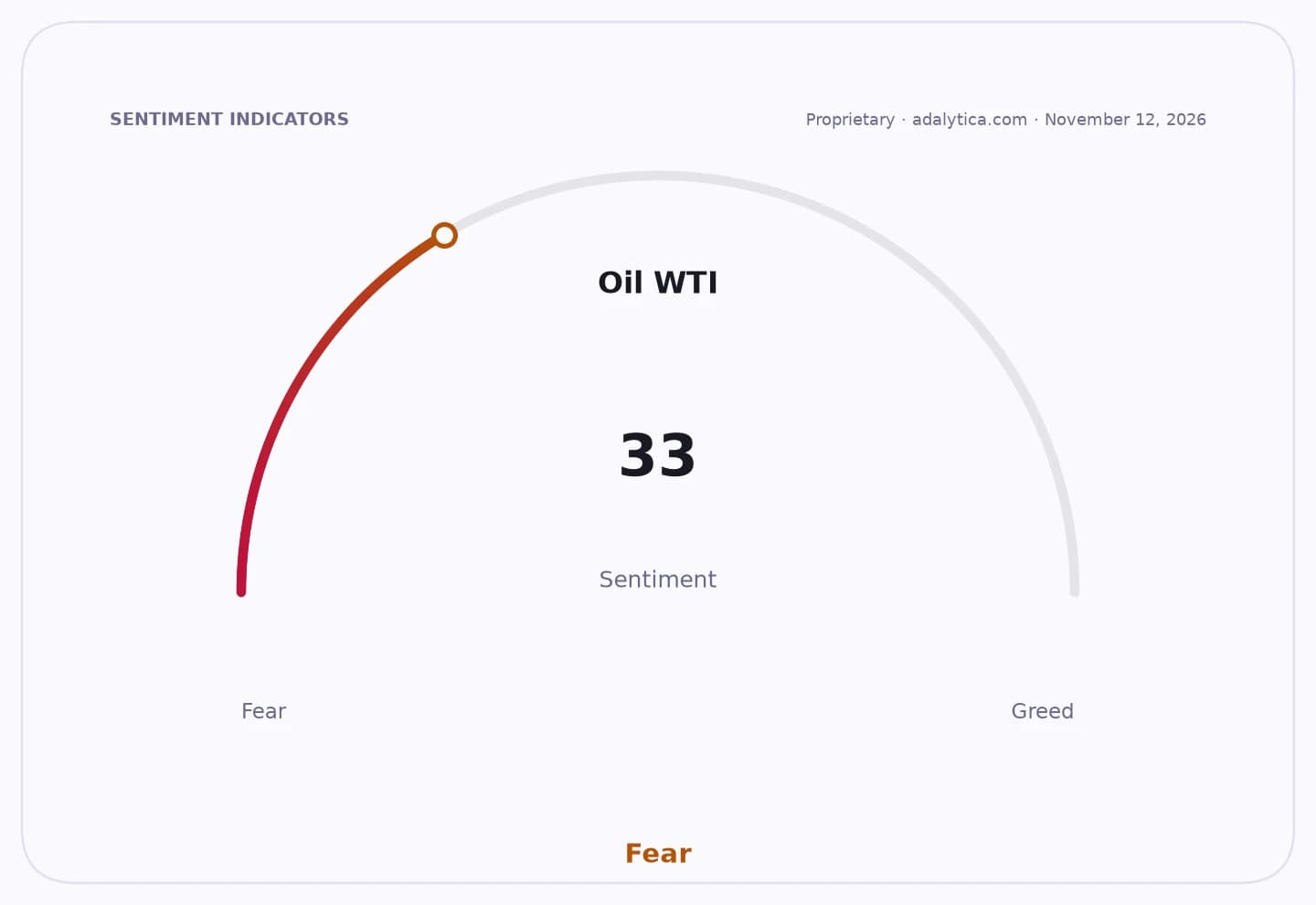
Sentiment Indicators
For investors, the message is broader than a fare hike. It points to persistent cost pressure across transport and logistics businesses that rely on diesel, even as headline fuel prices ease. In Vietnam and other markets where regulated or semi-regulated fares lag energy costs, higher diesel can keep revenue support in place for operators but also restrain demand and raise political sensitivity around pricing.
The dynamic also highlights the uneven way inflation works through the economy. Gasoline prices have fallen sharply, but diesel has not, and that distinction matters because buses, trucks and freight networks are more exposed to diesel than private motorists. The result is a squeeze on service providers that may be able to recover some costs through fuel surcharges or fare reviews, but not without hitting consumers and potentially slowing passenger volumes.
In listed markets, the implications are mixed. Higher transport prices can support revenue for operators, but they can also weaken traffic if households cut back on discretionary trips. For logistics names, fuel-linked pricing mechanisms may soften the blow, yet margins remain vulnerable if labor costs stay firm and diesel relief proves temporary. The key near-term catalyst is whether fuel markets ease enough to delay further fare increases; absent that, transport inflation is likely to remain sticky into next year.
| Entity | Gains | Losses |
|---|---|---|
| Bus operators | ▲Higher fare revenue | ▼Passenger backlash |
| Diesel suppliers | ▲Sustained fuel demand | ▼None |
| Commuters | ▲None | ▼Higher travel costs |
| Logistics firms | ▲Fuel surcharges | ▼Margin pressure |