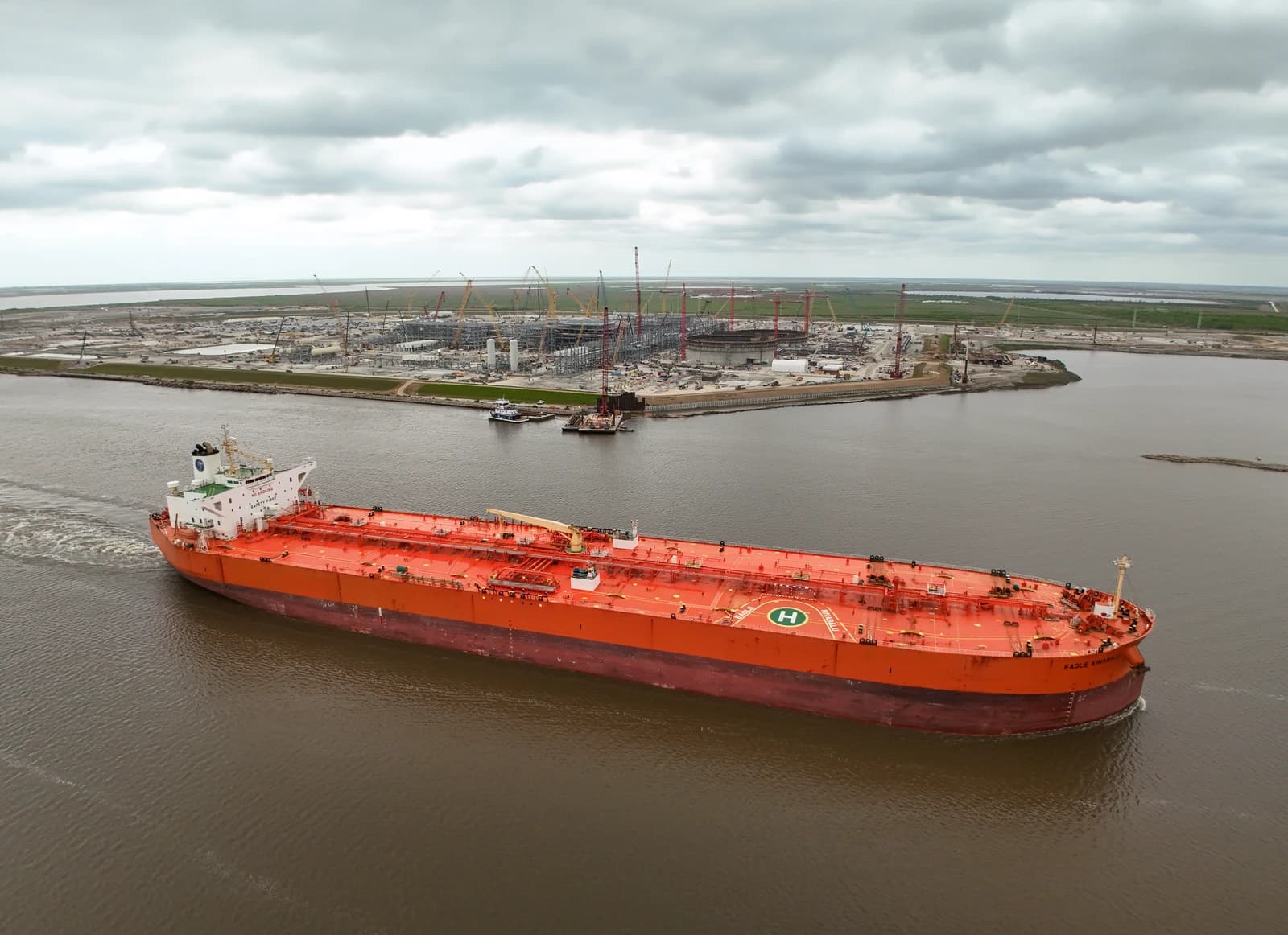
The macro picture is more complicated still. The conflict-driven spike in oil prices has begun to unwind as expectations grow of a diplomatic path that could ease tensions in the Gulf. Saudi, Emirati, Iraqi and Kuwaiti exports rose 10% in October to 15 million barrels a day, helping reduce the immediate squeeze around the Strait of Hormuz. But supply remains well below the roughly 20 million barrels a day seen before the Iran war, limiting how far crude can fall.
For now, the key inflation channel appears to be freight rather than fuel. That helps explain why the eurozone inflation rate remains elevated and why the broader cost picture in global trade is still unfriendly to consumers. It also helps explain why shipping and logistics companies are not yet seeing the kind of margin compression that would normally follow a drop in energy prices.
The longer-term outlook is mixed. As production moves closer to consumers, new trade routes emerge and the industry adds larger vessels from 2027, freight rates could eventually retreat sharply. UBS expects container-freight rates to fall 35% over the next two years and large tanker rates by 59%. If that proves right, supply-chain inflation could cool more decisively — but not before the current cycle of tight capacity and AI-related demand keeps transport costs elevated.