Precision weeding on corn is moving from pilot project to commercial lever, with trials in France’s Finistère region cutting phytosanitary use by as much as 32% and underscoring how farm economics are being reshaped by labor, regulation and input costs.
Precision Weeding Cuts Corn Phytosanitary Use
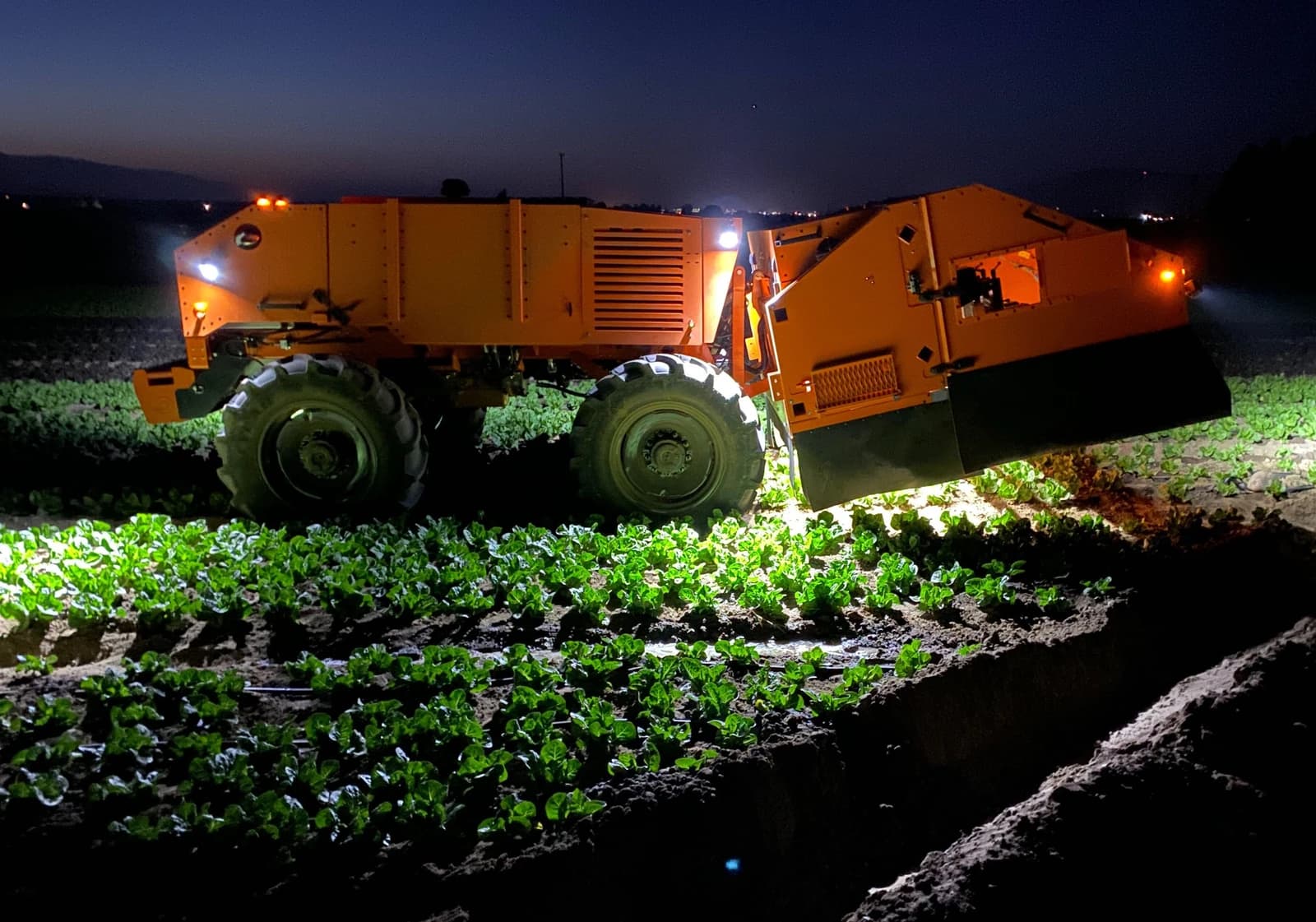
The significance is bigger than one agronomic result. If mechanical and camera-guided weed control can reliably reduce chemical applications without sacrificing yields, it gives growers a way to manage tighter pesticide rules, volatile agrochemical pricing and growing consumer pressure for lower-residue production. That makes the technology relevant not just to farmers, but to equipment makers, input suppliers and the broader crop-protection market.
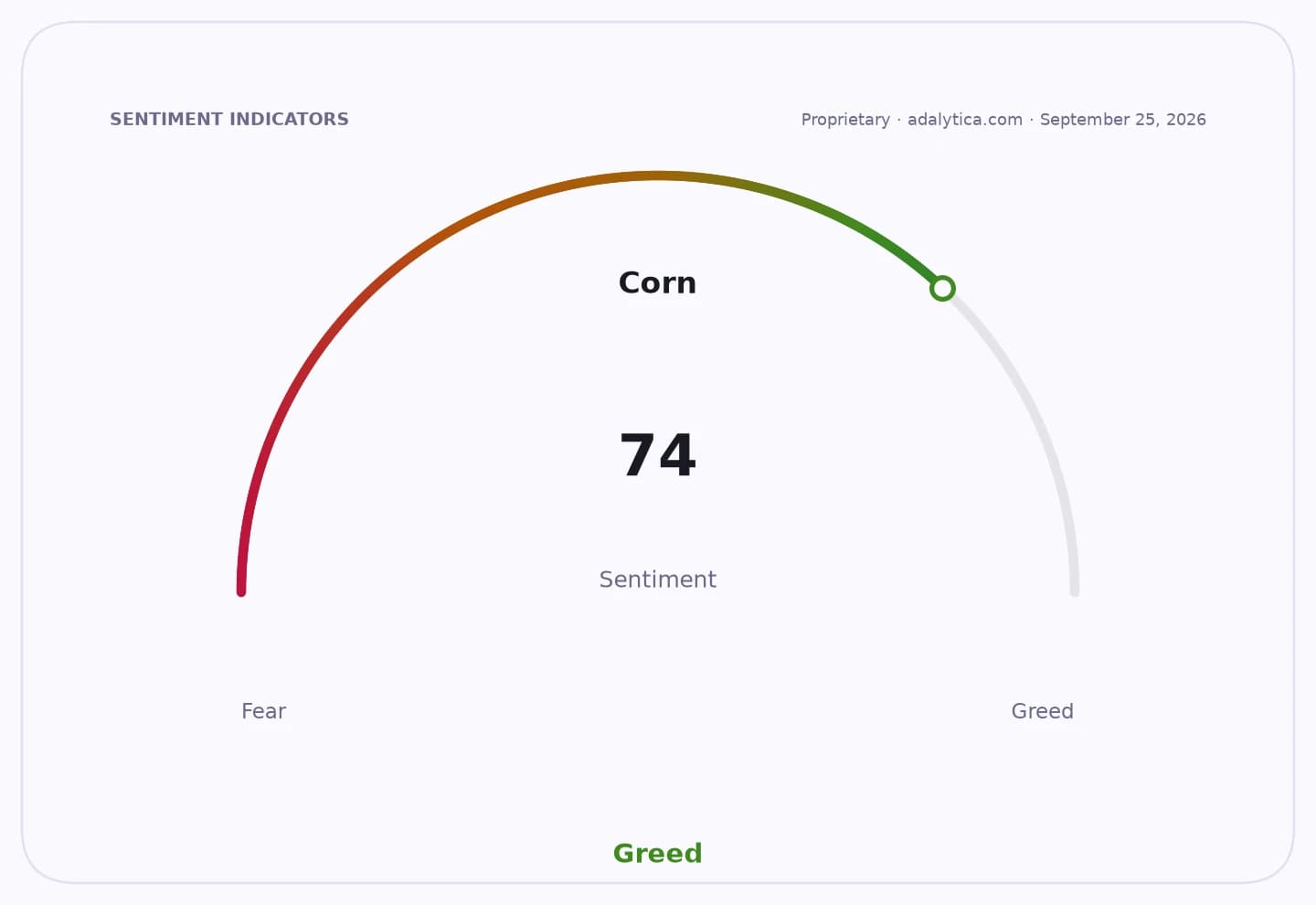
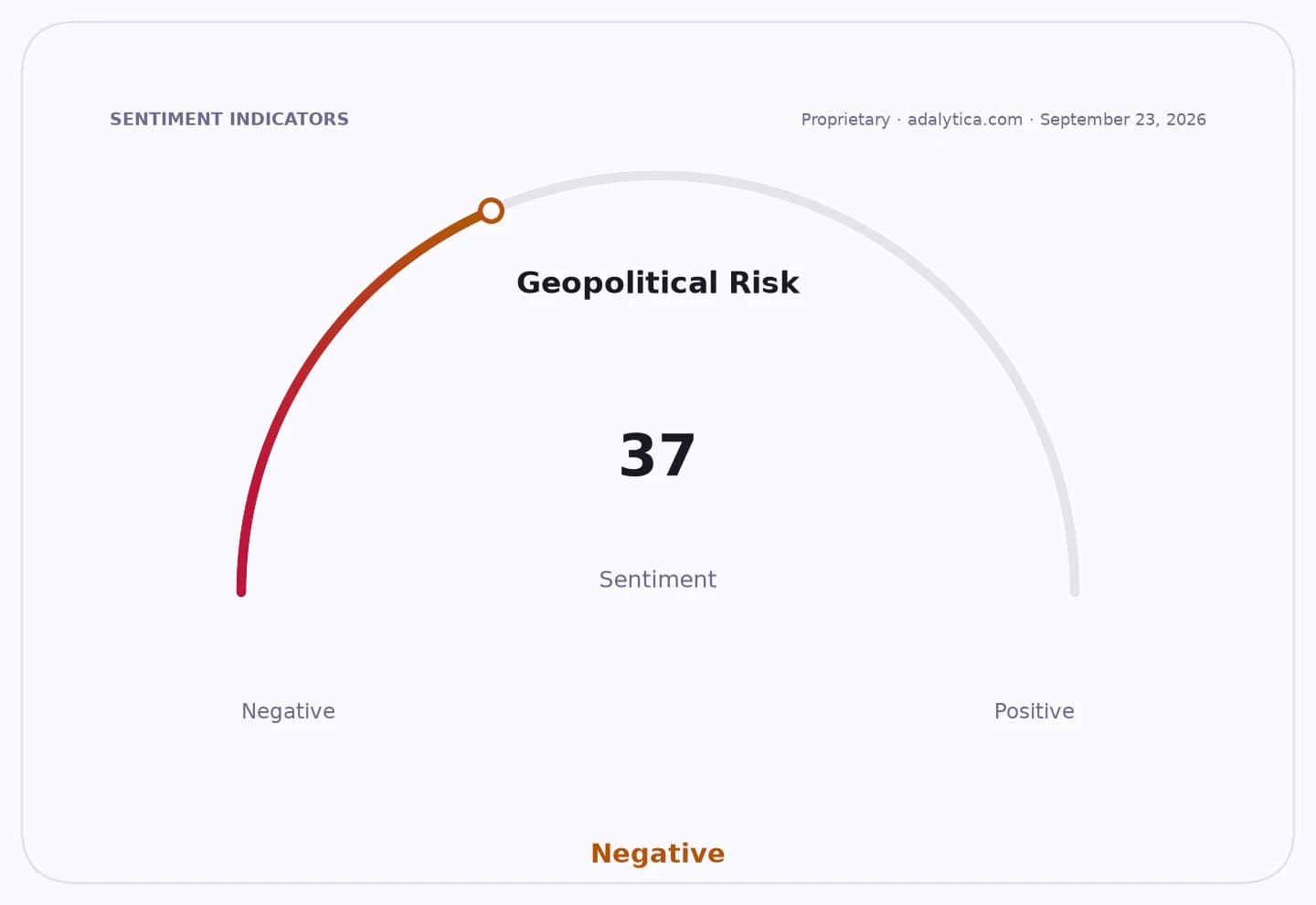
Sentiment IndicatorsⓘProprietary · adalytica.com · July 22, 2026
This is a snapshot — live sentiment, awareness and momentum for 130+ markets update continuously in the dashboard.Open AlphaPulse
For corn producers, the immediate economic case is straightforward: fewer phytos mean lower variable costs and less exposure to policy risk. Europe has been pushing harder on pesticide reduction, and that has made precision weeding attractive even before taking into account environmental and compliance benefits. The Finistère result suggests the payoff is no longer theoretical. In a high-cost farming cycle, savings of that size can materially improve margins, particularly when corn prices are not offering much cushion.
The development also feeds into a larger sector narrative that has already begun to show up in markets. Precision agriculture is increasingly about targeted application rather than blanket treatment, and that threatens a slice of the traditional crop-protection value chain while supporting makers of smart sprayers, guidance systems and robotic weeders. Deere and other equipment groups have been investing around automation and precision tools, while chemical producers face a slower-moving but real risk that part of pesticide demand shifts away from volume and toward highly selective application.
Investor interest is therefore split. The bull case is that precision weeding expands the market for advanced farm equipment and data-driven agronomy, creating recurring demand for hardware, software and service contracts. The bear case is that it accelerates substitution away from conventional phytosanitary products, especially in Europe, where regulation and public scrutiny are already stronger than in many other regions. For agrochemical names, the risk is not an abrupt collapse in demand but a gradual erosion in usage rates and pricing power as farmers become more precise.
The market backdrop reinforces that tension. Corn itself has been trading in a relatively firm technical posture, with nearby prices holding above the 50-day moving average and momentum indicators such as RSI still elevated, suggesting investors are watching the crop complex closely. But the more durable story is structural: if precision weeding continues to prove that it can cut inputs materially, the beneficiaries will be companies selling the tools to do it, while the losers will be legacy products built on broad-spectrum application.
For investors, the key question is not whether precision weeding will spread, but how quickly it moves from early adopters in places like Finistère into mainstream row-crop farming. The next catalyst will be whether growers can show consistent yield protection, lower chemical bills and faster payback periods across different soils and weather conditions. If they can, the economics of corn production and the competitive balance in crop inputs could begin to shift more decisively.
| Entity | Gains | Losses |
|---|---|---|
| Corn growers | ▲Lower input costs | ▼Upfront equipment spend |
| Precision ag equipment makers | ▲Higher adoption | ▼Longer sales cycles |
| Agrochemical suppliers | ▲Niche application demand | ▼Volume erosion |
| Regulators / consumers | ▲Lower residue exposure | ▼Less broad chemical control |