Primaris REIT’s closing of the Upper Canada Mall sale for $41.8 million is a reminder that in today’s higher-rate world, real estate owners are being forced to turn assets into cash rather than wait for a better market.
Primaris REIT Sells Upper Canada Mall for $41.8 Million
That matters because mall transactions are not just about one property changing hands. They show where capital is willing to move, what kind of income streams buyers still trust, and how much flexibility landlords have to recycle capital into debt reduction, redevelopment or higher-return assets. With the 10-year Treasury yield still around 5.1% and the Canadian housing backdrop still under pressure, property pricing remains anchored by a tougher cost of capital than investors grew used to in the easy-money era.
Sentiment Indicators
For Primaris, the deal looks like classic portfolio management. Selling a mall can be a smart move if the asset no longer fits the REIT’s long-term strategy or if the proceeds can be put to better use elsewhere. Investors should care less about the headline sale price in isolation and more about what management does next. A well-timed disposition can support balance-sheet strength and sharpen the portfolio. A weak one can signal that asset values remain under strain.
The stock has already shown how sensitive investors remain to the mall story. Primaris REIT units have moved up to about C$15.65 from recent lows near C$11.63 earlier this year, and the shares are trading around their 50-day moving average after a volatile run. That kind of price action suggests the market is willing to reward progress, but not to ignore execution risk. Technical readings, including the RSI, have swung sharply as traders react to each new update.
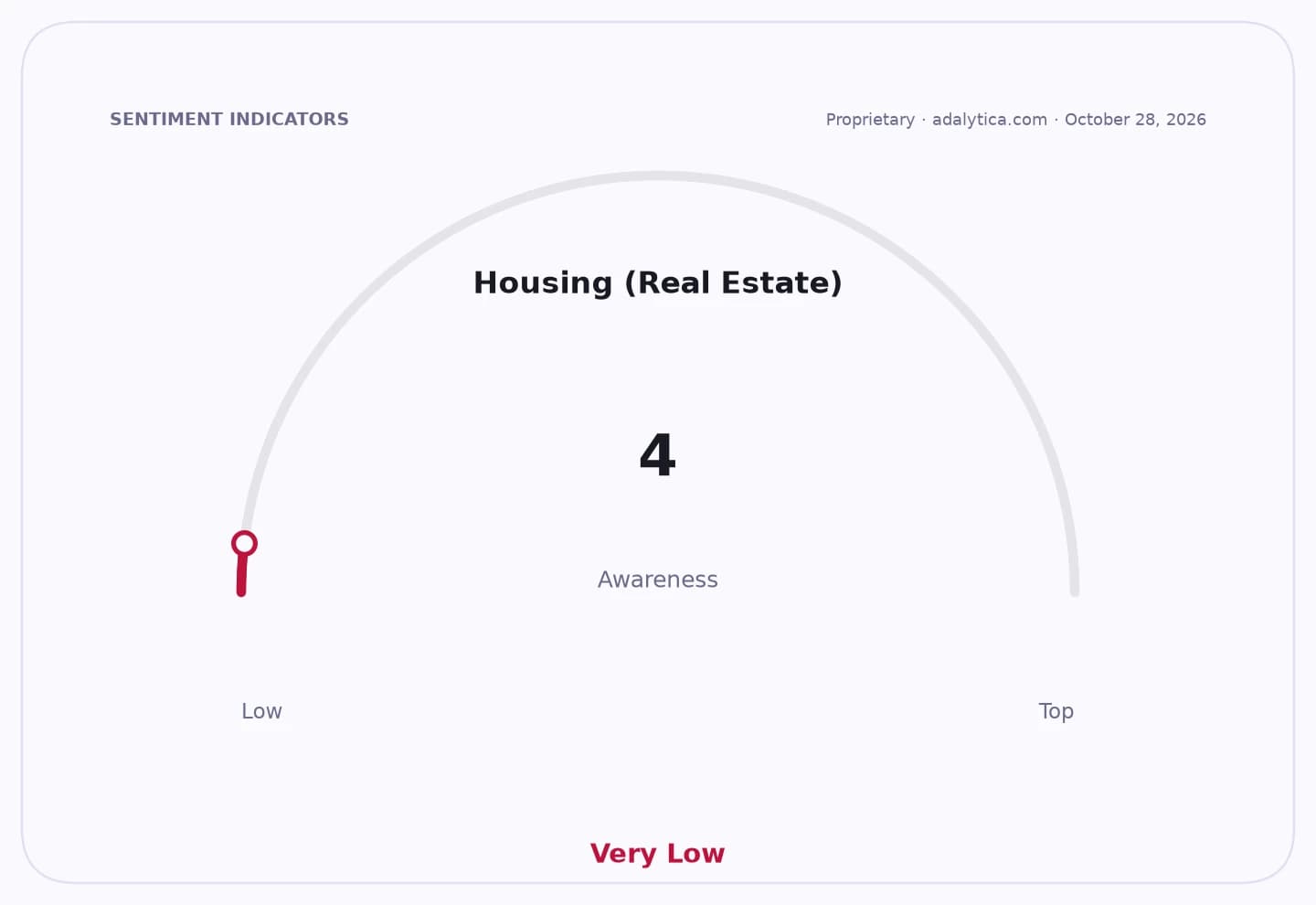
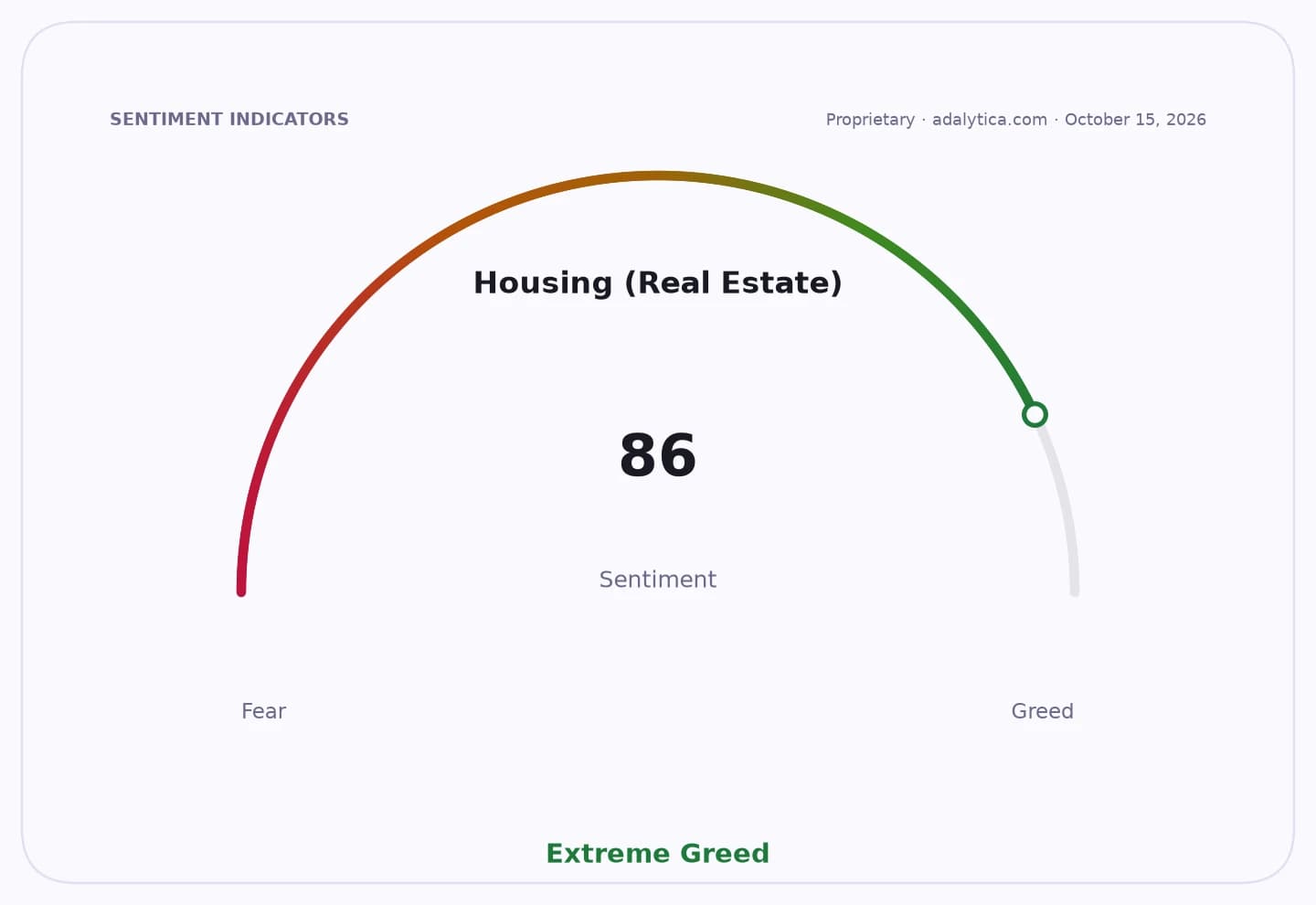
The broader retail real estate backdrop is not terrible, but it is far from euphoric. Housing sentiment gauges tied to the sector have been neutral, while awareness has flashed extreme fear, a sign that investors are still highly selective about consumer-facing assets. In that kind of environment, premium assets and clean balance sheets tend to win attention, while secondary properties can be harder to finance or sell at attractive prices.
For long-term investors, the key question is whether Primaris uses this sale to create lasting value. If the REIT can keep disposing of non-core properties and concentrate on higher-quality assets, the portfolio could become more resilient through the cycle. If not, this may simply be another sign that mall owners still face a slow, uneven recovery. Either way, the Upper Canada Mall sale is worth watching as part of a broader reset in Canadian retail real estate.
| Entity | Gains | Losses |
|---|---|---|
| Primaris REIT | ▲Cash proceeds; portfolio focus | ▼Exposure to mall income |
| Buyers of non-core assets | ▲Acquires income property | ▼Takes on retail risk |
| Existing unitholders | ▲Better capital allocation, if used well | ▼Lower near-term asset base |
| Mall real estate sector | ▲More pricing clarity | ▼Continued valuation pressure |