Prince is moving to turn its AI conversation service Earthreal into a recurring-revenue business, and that matters because the market is now separating flashy AI products from those that can actually convert fandom, usage and enterprise demand into durable cash flow.
Prince Earthreal Moves Toward Subscription Revenue
The company said it is commercializing Earthreal through a consumer subscription model and business-to-business solutions, using its existing character intellectual property and creator partnerships to seed early adoption. For investors, the key question is not whether AI chat can attract attention — it already has — but whether a niche, personality-driven service can produce repeat paying users and then scale beyond a single fandom into a reusable platform.
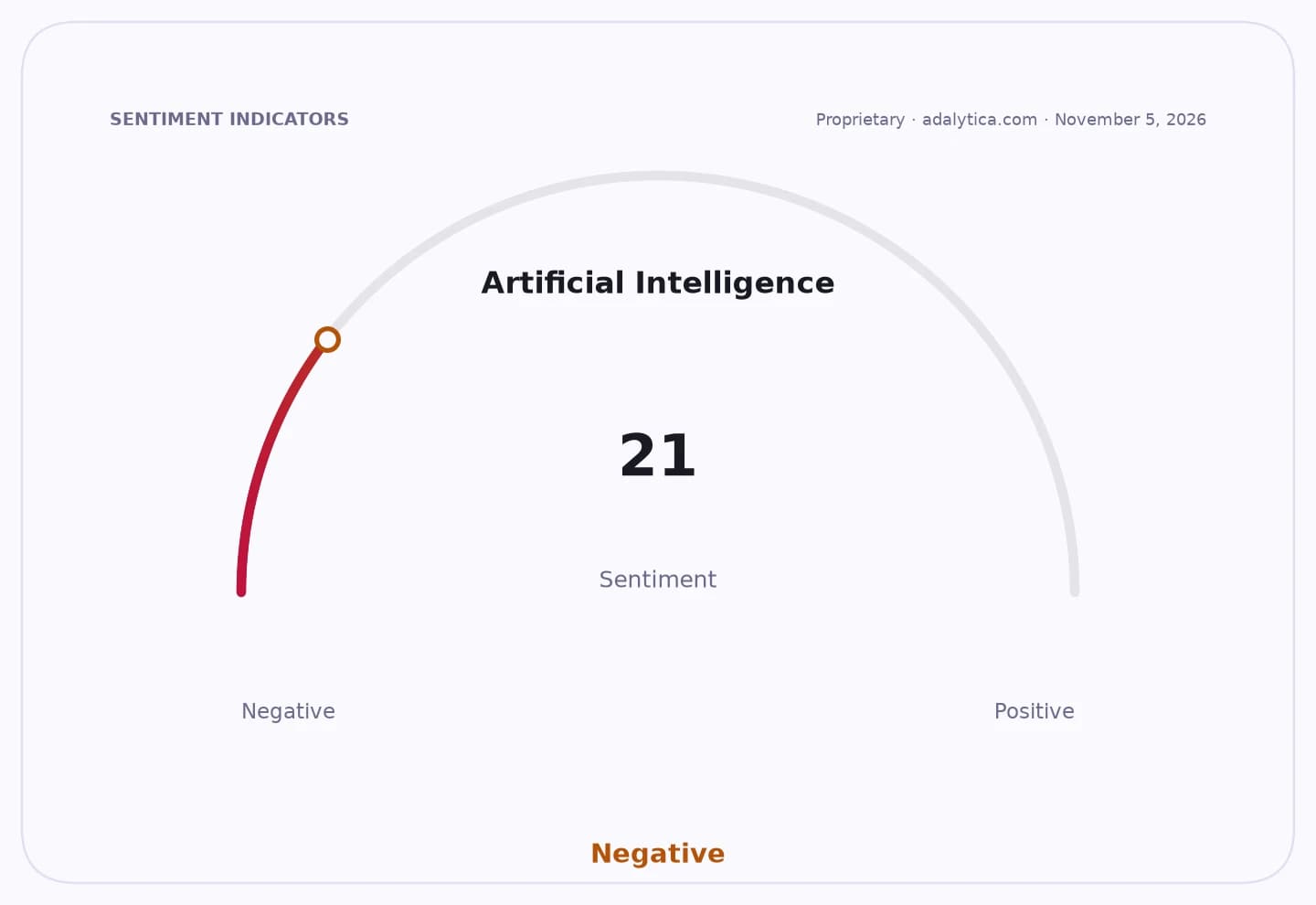
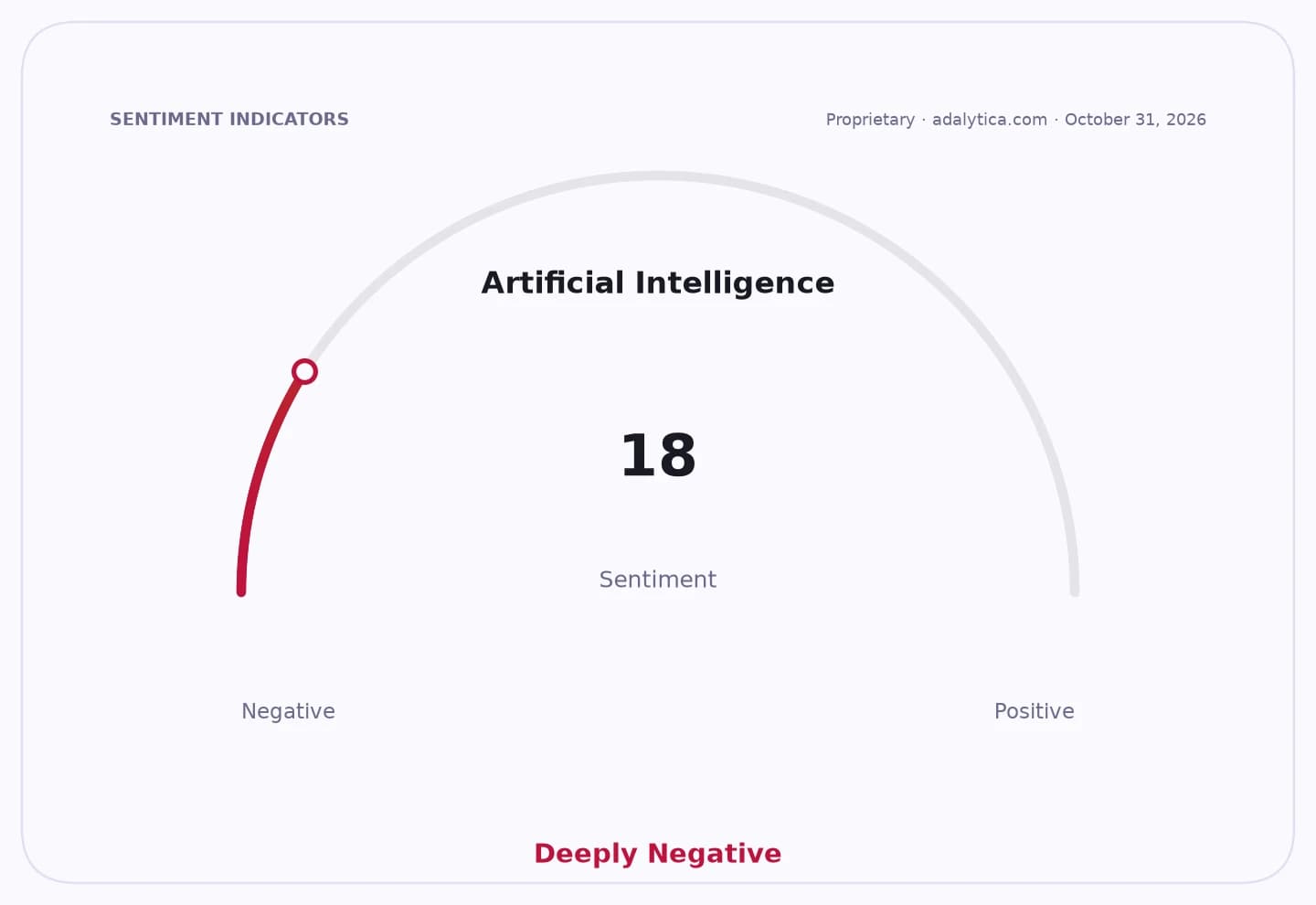
Sentiment Indicators
Prince plans to charge consumers 9,900 won a month, alongside IP merchandise sales, while beta testing the service and measuring paid conversion and repeat usage. That is the first real proof point for any AI content company: if users keep coming back, the product starts to look less like a demo and more like a subscription engine. If they do not, monetization will stay trapped in hype. The company is betting its existing fan communities on fan cafes and Discord can lower acquisition costs and speed up early traction.
The bigger prize, though, is the enterprise angle. Prince wants to sell its dialogue engine to IP and entertainment companies, and to platform operators through APIs and SDKs, with revenue coming from setup, operations, customization and usage-based fees. That is the kind of model investors should watch closely because it has a far better shot at margin expansion than one-off consumer sales. If the technology can be reused across multiple characters and franchises, it becomes infrastructure, not just a feature.
Prince is also targeting a 2027 release of its Human Interaction Foundation Model, or HIFM, which would combine voice, emotion, memory, relationship and context functions into a common engine. That is the real strategic narrative: a single conversational core that can be deployed across many IP assets, potentially turning Earthreal from a one-product experiment into a platform with licensing leverage.
The timing fits a broader AI commercialization trend. Markets are rewarding companies that can show clear monetization pathways, while punishing those whose AI spending runs ahead of revenue. That split is visible across the sector, with investors demanding proof that AI can do more than drive engagement. Prince is trying to answer that question early, using entertainment as the wedge and enterprise software as the scale layer.
For investors, the opportunity is asymmetric but still early-stage. The upside case is a high-margin subscription and licensing business built on proprietary character data, community distribution and enterprise APIs. The downside is equally clear: weak paid conversion, low retention or limited B2B wins would leave Earthreal as another AI concept with no economic moat. The next catalyst will be the beta metrics — especially paid conversion, repeat usage and the first customer deployments — because those numbers will determine whether Prince is building a product or a platform.
| Entity | Gains | Losses |
|---|---|---|
| Prince | ▲Recurring AI revenue potential | ▼Beta execution risk |
| Entertainment IP owners | ▲New monetization channel | ▼Greater dependence on platform pricing |
| Platform operators | ▲AI engagement tools | ▼Higher integration and licensing costs |
| Competing AI chat startups | ▲Market validation for subscriptions | ▼Pressure to prove monetization faster |