PT Bukit Asam’s sharp jump in first-half profit shows Indonesia’s coal producers can still make money even as the market turns volatile, provided they keep costs under control and move coal efficiently.
PT Bukit Asam 1H profit rises 215% on margins
The state-owned miner said net income rose 215% year on year to Rp2.64 trillion in the first half of 2026, while revenue increased 7.7% to Rp22.03 trillion. For investors, that combination matters more than the headline profit surge alone: it suggests PTBA is protecting margins at a time when coal producers globally face rising input costs, uneven demand and pressure from logistics bottlenecks.
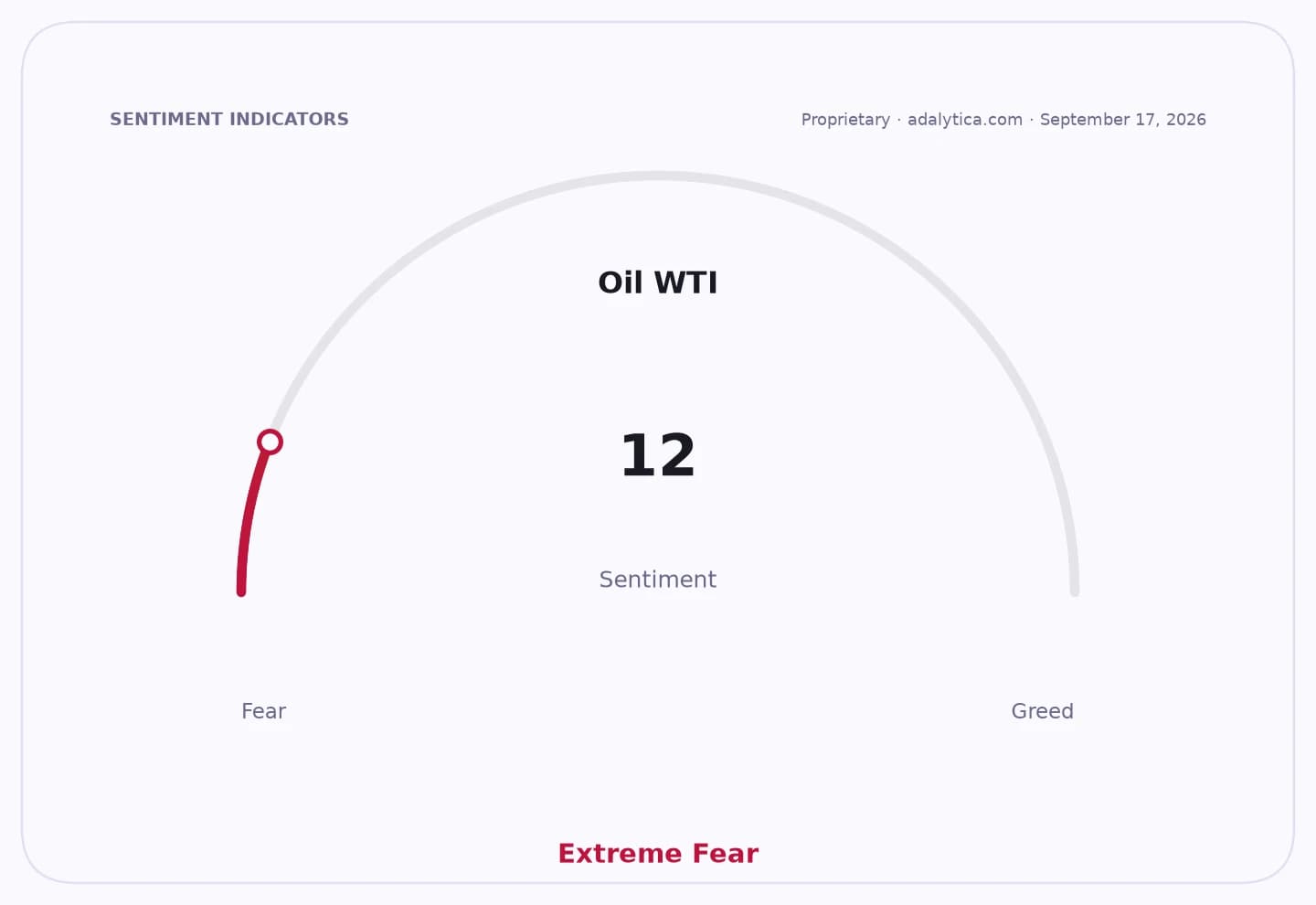
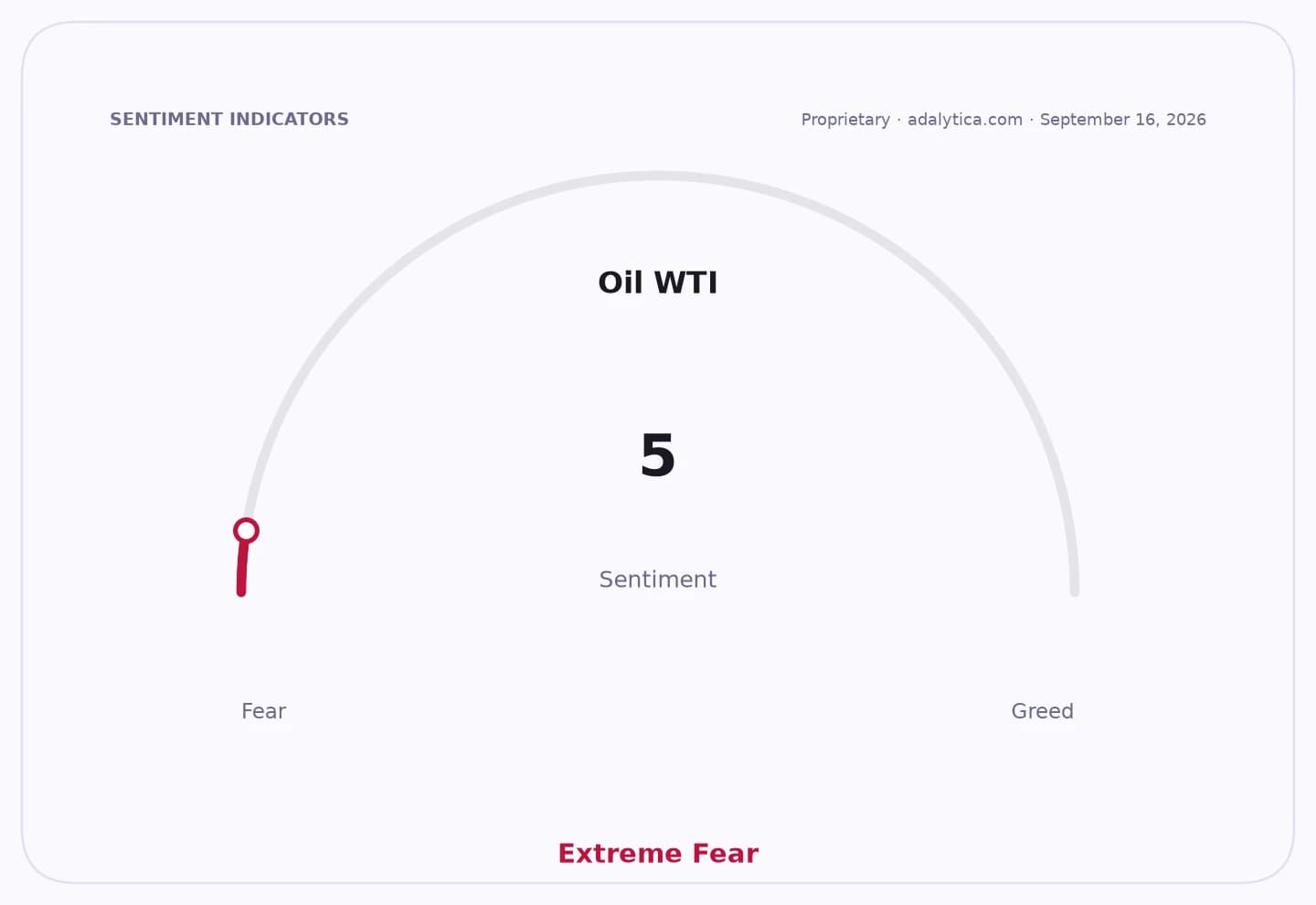
Sentiment IndicatorsⓘProprietary · adalytica.com · September 7, 2026
This is a snapshot — live sentiment, awareness and momentum for 130+ markets update continuously in the dashboard.Open AlphaPulse
Management said the improvement came from tighter efficiency, including control of the stripping ratio and overburden, both key drivers of mine economics. In coal mining, even small gains in stripping ratio can materially lower unit costs and preserve cash flow when prices soften. That is particularly relevant now, with the industry contending with higher energy and fuel expenses and broader cost inflation.
PTBA is also leaning on operations rather than prices to defend earnings. The company said it is strengthening mine planning across 40 hectares of IUP land to maintain efficiency and is reinforcing rail logistics to reduce transportation problems that can weigh on sales and delivery. In Indonesia’s coal sector, where hauling and port access can be as important as production itself, that is a meaningful competitive lever.
The timing is favorable, even if the cycle remains uncertain. Coal markets are being supported by geopolitical disruptions that have kept demand resilient, while a separate power-supply crunch in India underscores how tight coal inventories can still become in major consuming markets. At the same time, global coal prices remain volatile and energy costs are still elevated, leaving producers exposed if demand cools or freight and fuel costs climb further.
For PTBA, the near-term investment case rests on whether it can hold margins while scaling output. The company is targeting 48 million tons of production in 2026, which would require disciplined mine execution and smoother logistics. If it succeeds, earnings could remain supported even without a major price upswing. If costs continue to rise faster than realized coal prices, however, the profit rebound could prove harder to sustain.
| Entity | Gains | Losses |
|---|---|---|
| PTBA | ▲Higher profit, stronger margins | ▼Rising fuel and logistics costs |
| Indonesian coal miners | ▲Tight supply supports pricing | ▼Cost inflation and transport bottlenecks |
| Power utilities in India | ▲Better chance of supply relief | ▼Exposure to volatile coal prices |
| Long-term coal bears | ▲Limited near-term demand pressure | ▼Still-tight markets and resilient producers |