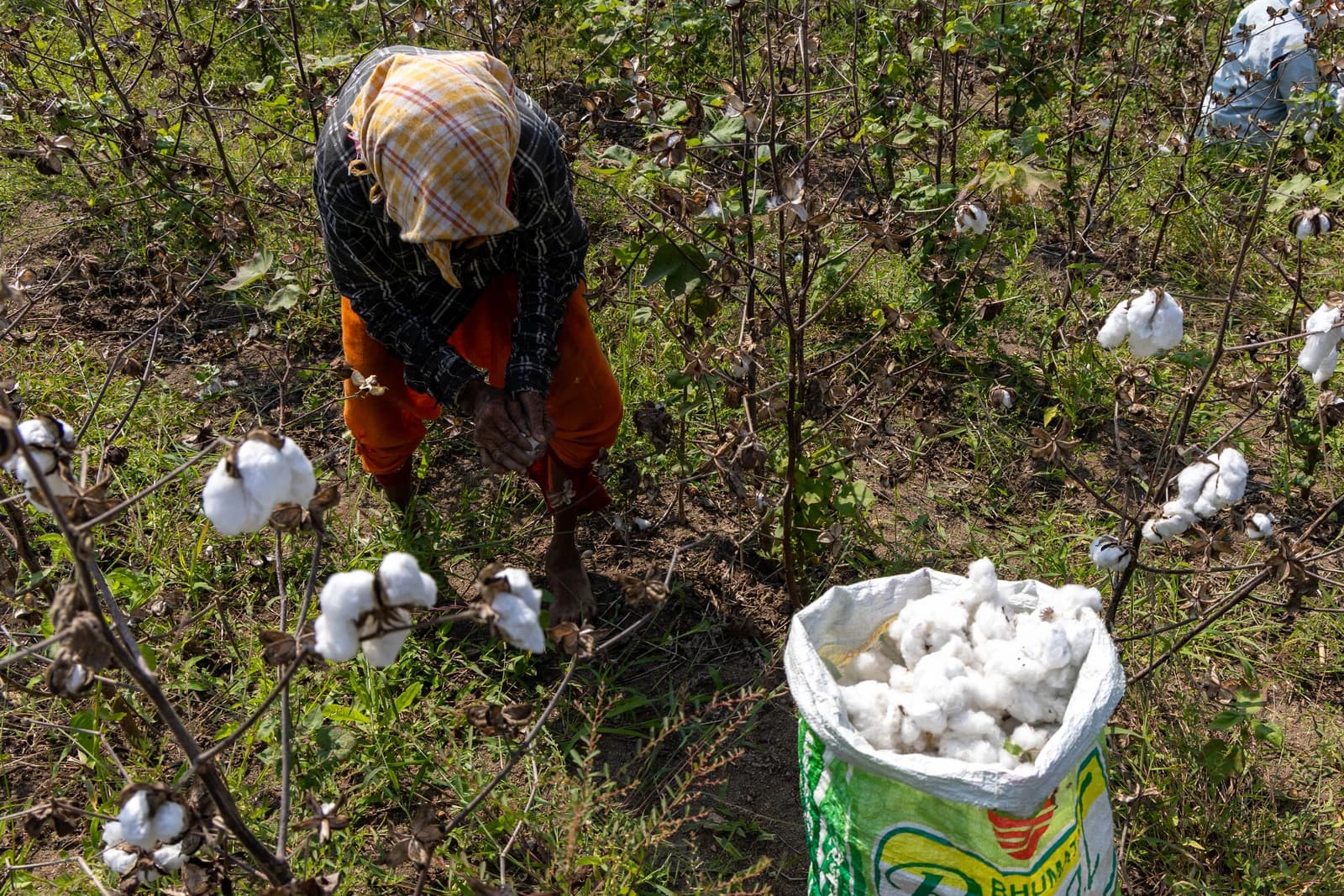
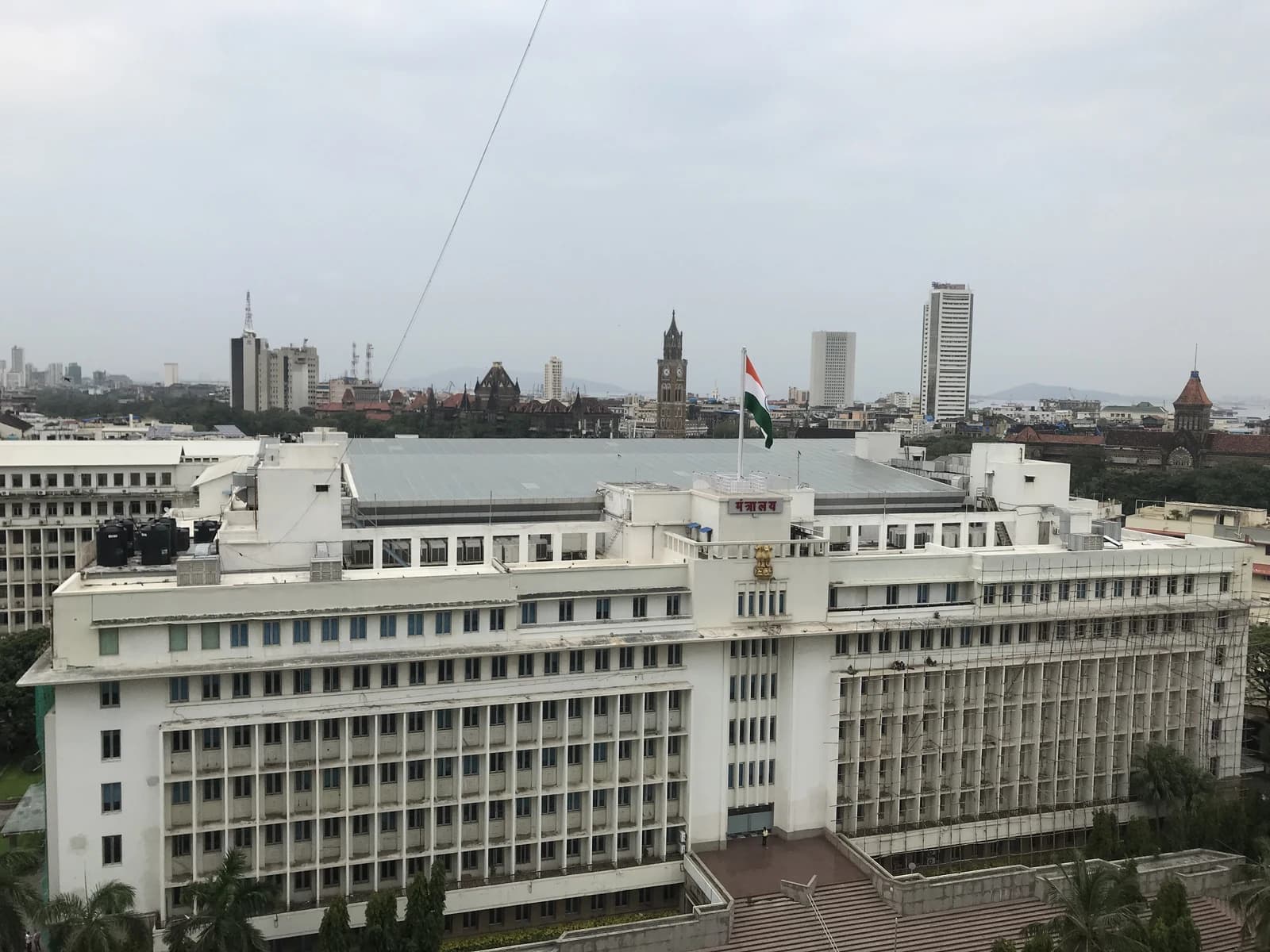
Haryana Chief Minister Nayab Singh Saini has turned Punjab’s farm-payment record into a high-stakes political attack, accusing the Bhagwant Mann government of diverting central funds meant for farmers just as procurement delays and compensation payments remain a sensitive issue across India’s grain belt.
Punjab farm payment dispute heats up over delays
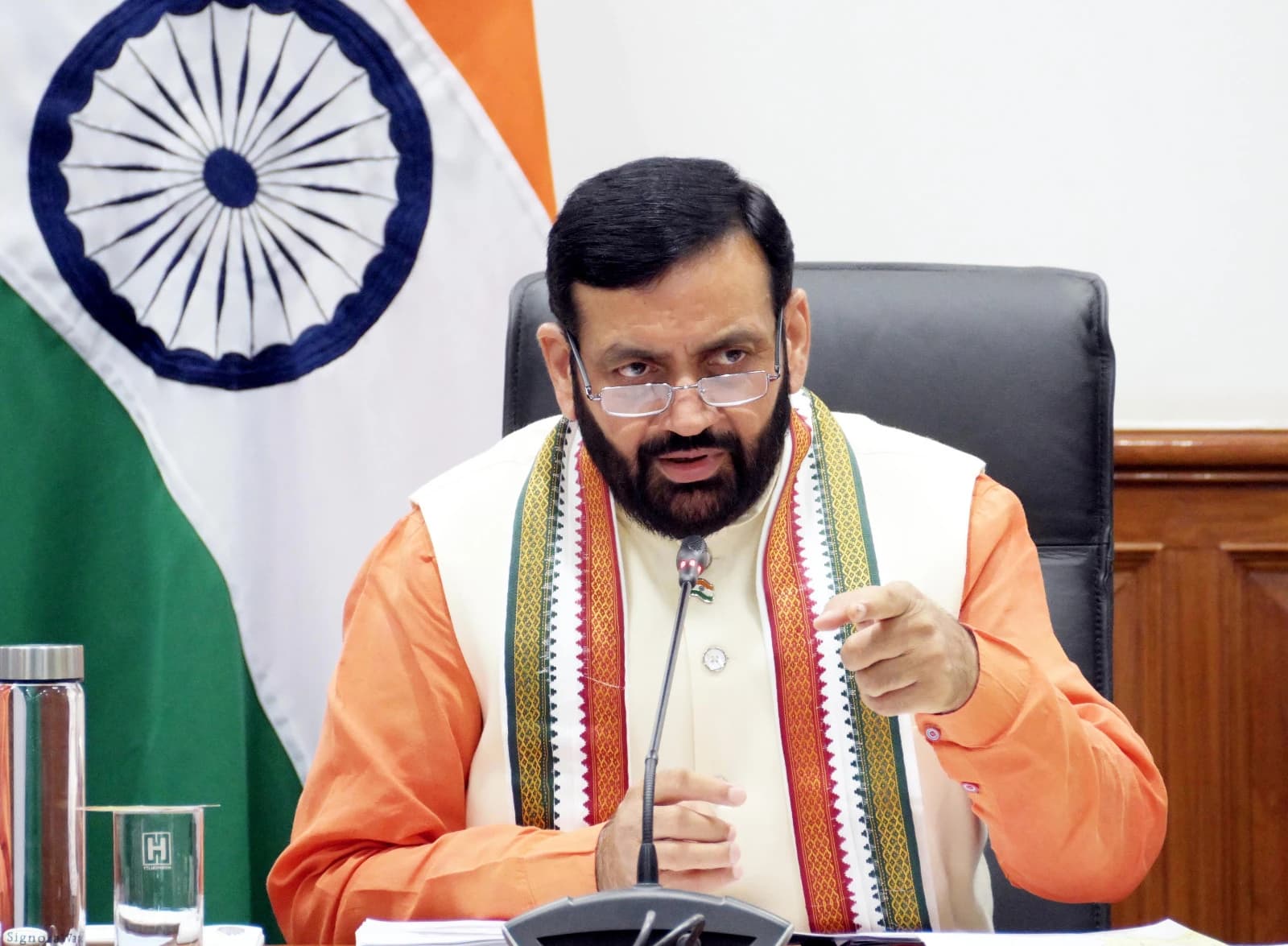
The allegation matters because farm procurement is not just a rural welfare question but a test of state capacity, cash-flow discipline and political credibility in two agrarian states that sit at the center of north India’s wheat and paddy economy. Saini cast Haryana as the better-run counterexample, saying farmers there are paid within 48 to 72 hours and receive interest if payments are delayed, while claiming Punjab takes two to three months to settle dues.
Sentiment Indicators
The contrast is politically potent ahead of Punjab’s 2027 assembly election and economically relevant for farmers whose working capital depends on the speed of government procurement. In procurement-heavy states, delayed payments can force growers to borrow at high rates, defer input purchases or sell part of their crop outside the MSP system. That makes the gap between promised support and actual disbursement an immediate liquidity issue for rural households, not just a governance dispute.
Saini said the Centre sends procurement funds to both states but alleged that Punjab had not ensured the money reached farmers on time. He also claimed Punjab diverted compensation funds and used cheques for “photo opportunities,” allegations that, if left unanswered, could deepen skepticism over whether welfare money is being ring-fenced for its intended use.
The broader narrative is a familiar one in Indian politics: competing claims of administrative efficiency versus leakages and delays. Haryana’s BJP government is trying to frame itself as the state where central schemes translate quickly into cash, while portraying Punjab’s AAP government as failing on a basic function that directly affects farm incomes. For the BJP, that message supports its “double-engine” pitch that alignment with New Delhi speeds delivery. For AAP, the attack risks undermining its rural brand at a time when agrarian trust is critical.
For investors, the immediate read-through is less about any listed company than about the stability of India’s farm support architecture. Persistent friction over procurement payments can spill into consumption patterns, fertilizer and equipment demand, and state-level borrowing needs. It also raises the political cost of reforms that depend on efficient subsidy delivery, whether in procurement, compensation or cash-transfer programs.
The dispute is unlikely to change crop prices on its own, but it does sharpen the market’s view that India’s farm economy remains highly sensitive to payment timing, administrative execution and state-center coordination. The states that can prove faster settlement and tighter fund control will have a political and economic advantage when rural incomes are under pressure.
| Entity | Gains | Losses |
|---|---|---|
| Haryana BJP govt | ▲Administrative credibility | ▼Little |
| Punjab AAP govt | ▲Little | ▼Trust on farm payments |
| Farmers receiving MSP dues | ▲Faster cash flow | ▼Delayed working capital |
| Central subsidy system | ▲Pressure for tighter oversight | ▼Perception of leakages |