Queensland’s state-owned energy sector is being forced to absorb a $661.6 million hit from a failed coal supply contract, a damage bill large enough to wipe out dividends and underline how costly bad fuel deals have become in a market still shaped by coal and volatility.
Queensland Stanwell Takes A$661.6m Coal Loss
That loss at Stanwell is the most important signal in the results: coal remains indispensable to Queensland’s power system, yet the economics of securing it have become far less forgiving. When a single contract failure can turn into a nine-figure loss, it does not just dent one balance sheet. It ripples through government receipts, power pricing, and the credibility of a sector already navigating higher operating costs and a more uncertain demand outlook.
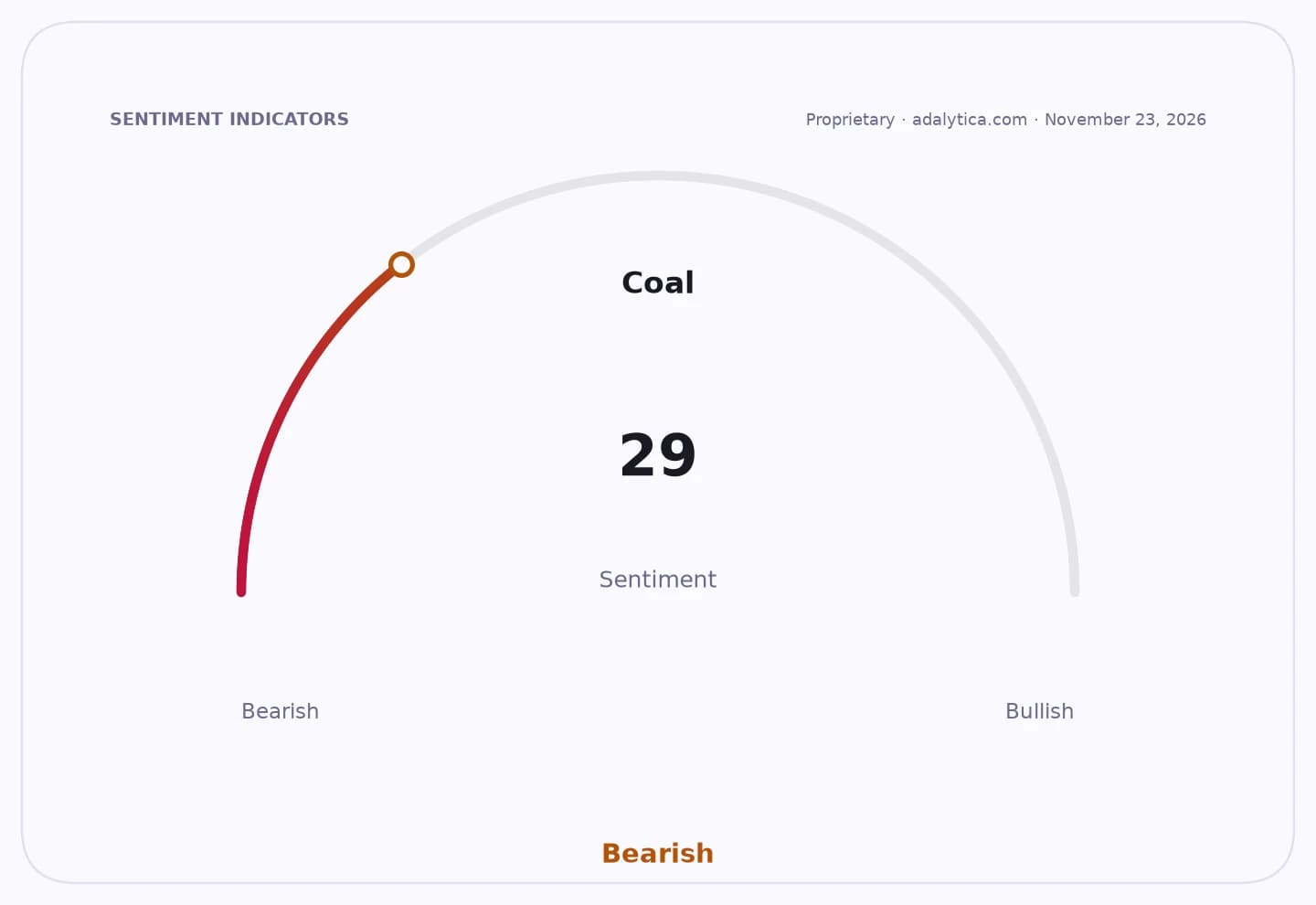
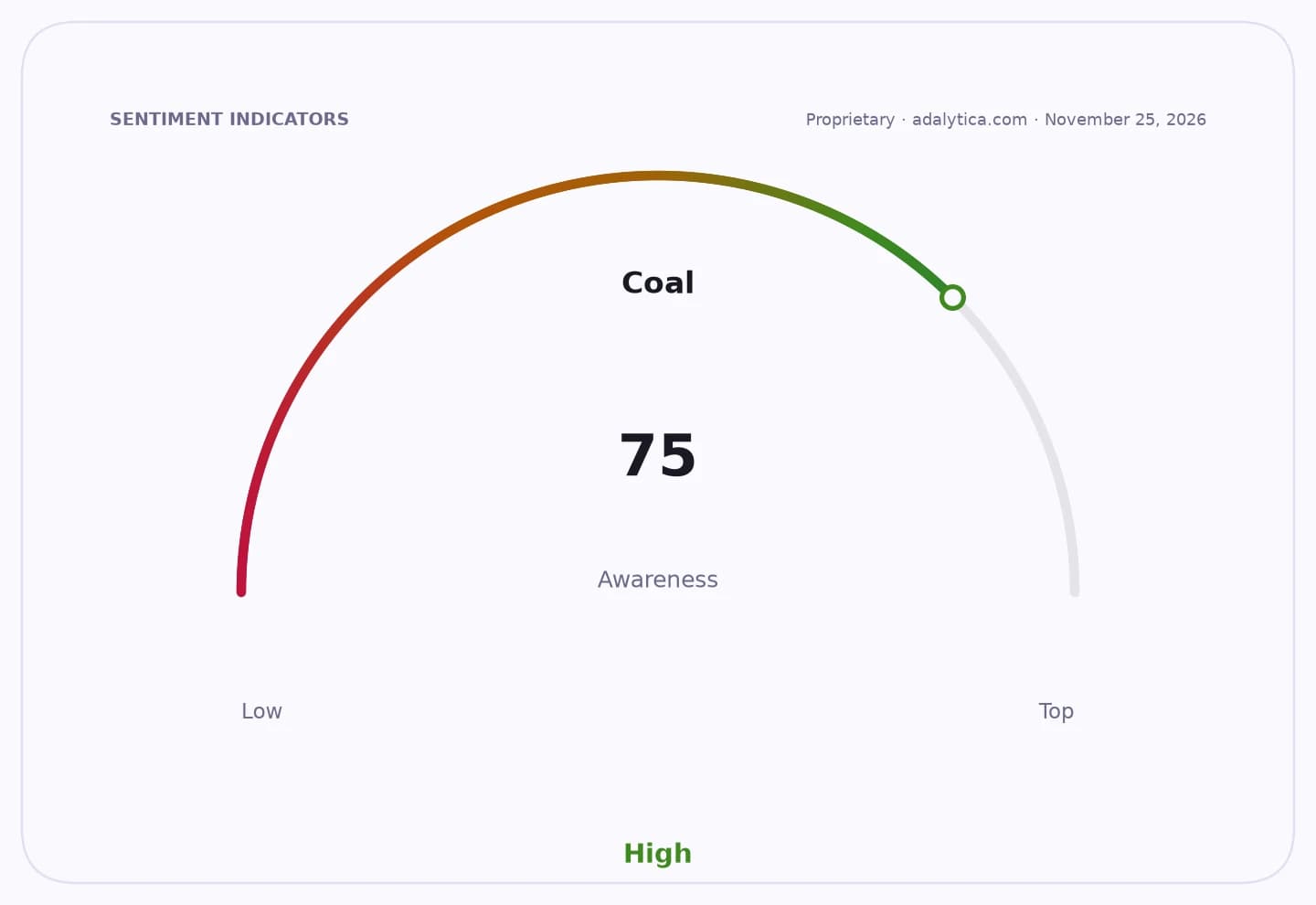
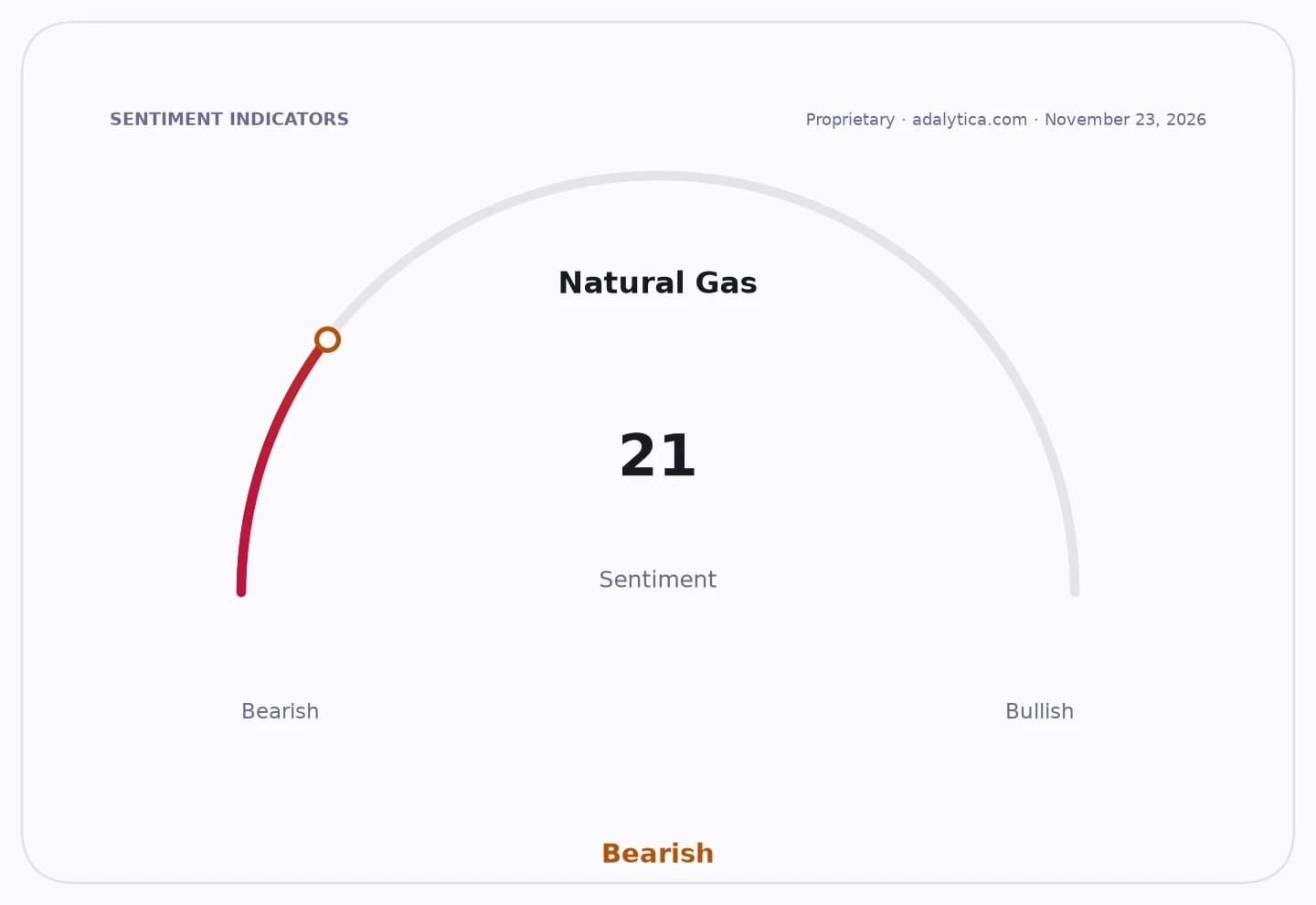
Sentiment Indicators
The broader numbers point to a sector under pressure even as it continues to generate huge cash for the state economy. Queensland’s resources industry has still produced about A$120 billion for the state, but it has also shed around 3,000 direct mining jobs, a sign that revenue strength is not translating into operating stability or employment growth. That disconnect matters for investors because it shows the coal complex is no longer a simple cash machine: royalties, supply disruptions and contract risk are now eating into returns.
The market backdrop is equally hostile. Adalytica’s Coal Fear & Greed Index shows “Extreme Fear” at 7, with sentiment falling 62 points over the past month, while WDS shares have slid to A$20.21 from above A$23 in late October, with the stock trading below both its 50-day and 200-day moving averages and RSI readings deep in oversold territory. For coal-linked investors, that kind of price action says confidence has evaporated faster than fundamentals have improved.
Even oil is flashing mixed signals rather than relief. WTI crude is still around $80 a barrel in the latest forecast, but Adalytica’s trade signals show extreme fear in awareness terms, reflecting a market that remains jumpy about energy earnings, fuel procurement and policy risk. In practical terms, that makes Queensland’s power and resources groups more vulnerable to any misstep in contracting, hedging or supply planning.
The key investment takeaway is that the opportunity is shifting away from pure coal exposure and toward the infrastructure, logistics and replacement-capacity winners that benefit when legacy fuel systems misfire. If Queensland’s coal economics are becoming more unpredictable, capital will flow toward the toll roads of the energy transition: grid assets, firming, gas backup, transmission and services that get paid whether coal prices soar or contract structures fail.
For investors, this is not a reason to chase distressed coal names blindly. It is a reason to look for the second-order beneficiaries of a sector where one failed contract can erase years of expected dividends.
| Entity | Gains | Losses |
|---|---|---|
| Queensland Treasury | ▲Higher urgency for reform | ▼Dividend income |
| Stanwell | ▲None | ▼$661.6m loss |
| Coal supply rivals | ▲Better negotiating leverage | ▼Reputation from failed deal |
| Grid, firming and infrastructure plays | ▲More demand for backup capacity | ▼Legacy coal generators |