Australia’s gas investors are learning that policy uncertainty can be just as damaging as the policy itself. Labor’s domestic gas reservation plan has already helped knock Beach Energy down about 35% since early April, and the broader producer group is now being priced with a much wider margin for error as traders try to gauge who will ultimately bear the cost.
Australia Gas Stocks Fall on Reservation Plan
That matters because gas is not just another cyclical commodity in Australia; it is a core input for power, industry and export earnings. When the rules around how much gas must be held back for the domestic market become murky, investors immediately start asking harder questions about future pricing, project economics and capital returns. Producers can still make money in a tight market, but reservation schemes can cap upside, pressure margins and complicate long-dated investment decisions.
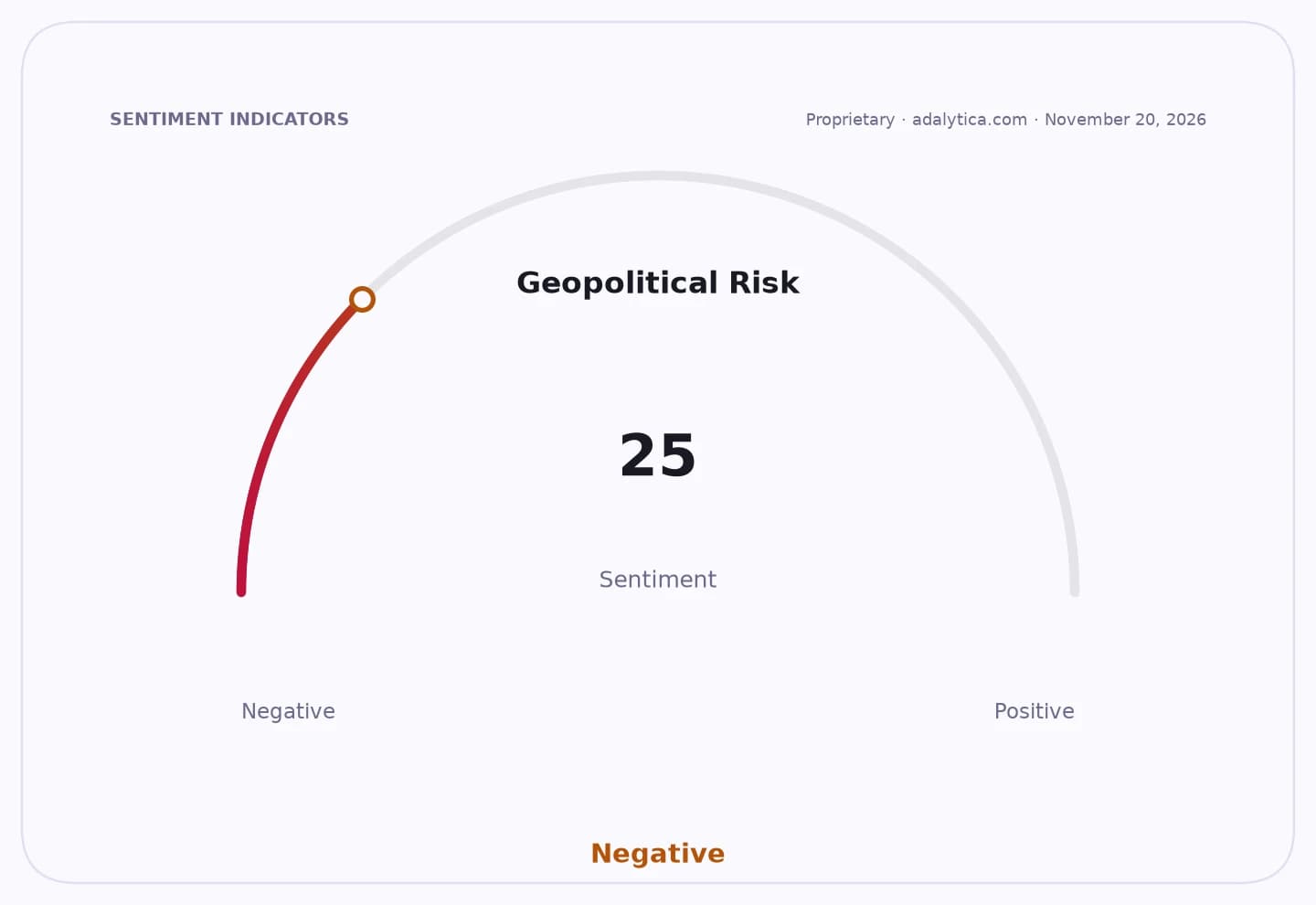
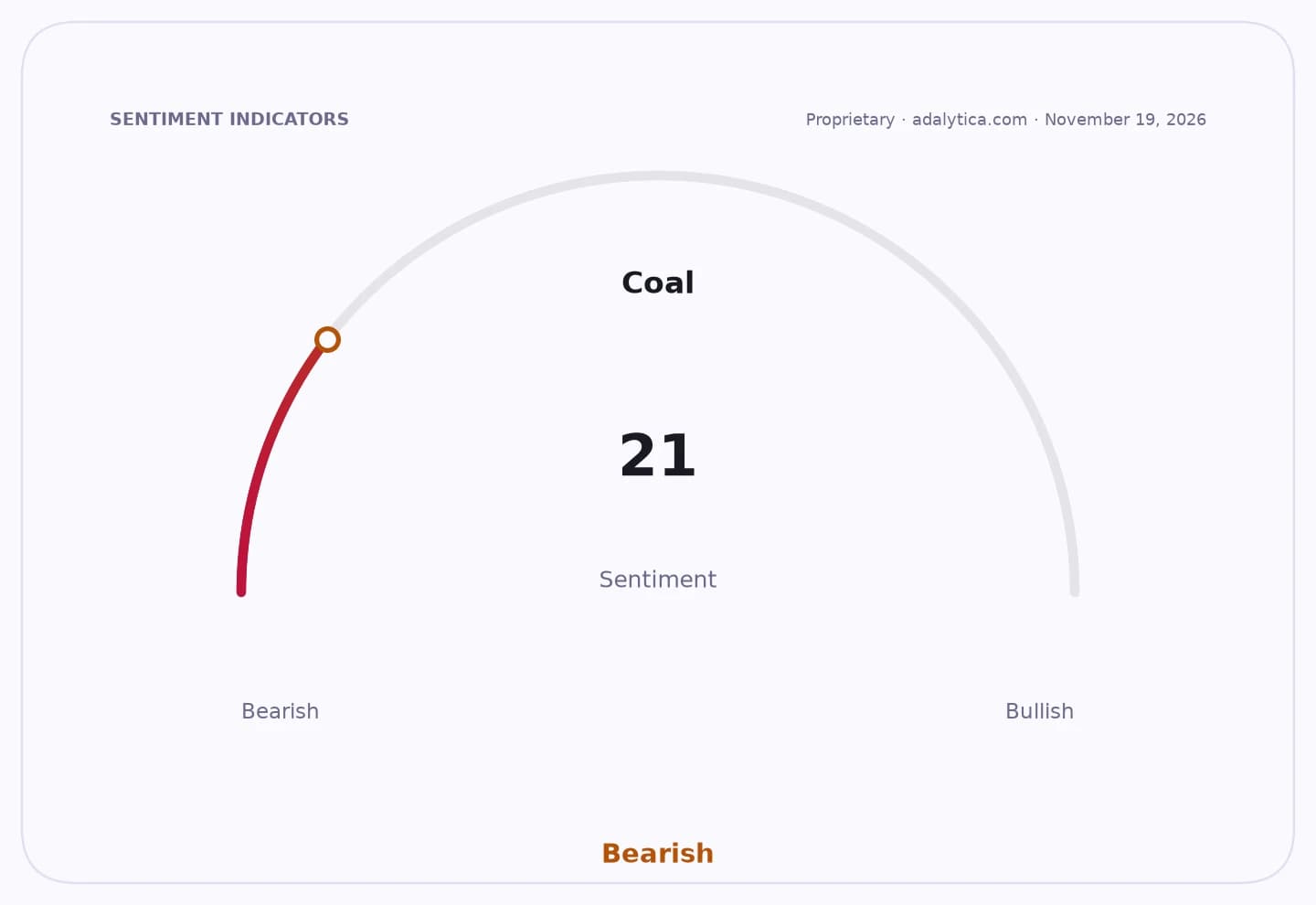
Sentiment Indicators
Woodside Energy, Santos and Beach Energy have all felt the change in sentiment. Woodside shares have slipped to around A$29.48 from levels above A$32 earlier in the period tracked, while Santos has eased to about A$8.45 after trading above A$9 in late October. Beach has taken the heaviest punishment, reflecting both its leverage to domestic gas and its role as one of the loudest critics of the proposal. That divergence is telling: investors are not treating all gas names the same, but they are demanding a bigger risk premium across the sector.
The market reaction is also a reminder that energy policy can move stock prices well before it changes earnings. In the near term, reservation talk can weigh on valuations even if actual production volumes and cash flow remain intact. Over time, though, the bigger issue is whether producers will keep committing capital to supply growth if returns look politically constrained. That is the real economic risk: underinvestment today can mean tighter supply, higher prices and more volatility later.
Natural Gas — 30-day sentimentadalytica.com
Explore this data interactively — full history, time series and cross-market comparisons.
For long-term investors, the lesson is not to abandon the sector but to be selective. Companies with stronger balance sheets, lower costs and more diversified portfolios are better placed to absorb policy shocks than smaller, more domestic-focused names. If Canberra wants more secure local supply, it will need to balance affordability with incentives to invest — and until that balance is clear, gas stocks are likely to remain on the defensive. For now, this is a watchlist story, not a panic story, but it is one investors should follow closely.
| Entity | Gains | Losses |
|---|---|---|
| Domestic gas users | ▲Potentially lower local supply prices | ▼Fewer investment incentives if policy bites |
| Australian producers | ▲No clear winners yet | ▼Lower valuations and policy overhang |
| Beach Energy | ▲None | ▼Heaviest share-price hit |
| Woodside Energy / Santos | ▲Relative resilience vs. Beach | ▼Risk premium from reservation uncertainty |