American natural gas futures are on track for a weekly advance as traders position for colder weather and a firmer winter heating load, with the move spilling into energy-linked equities and inverse funds that have become highly sensitive to each shift in the weather outlook.
Natural Gas Futures Rise on Colder Weather Outlook
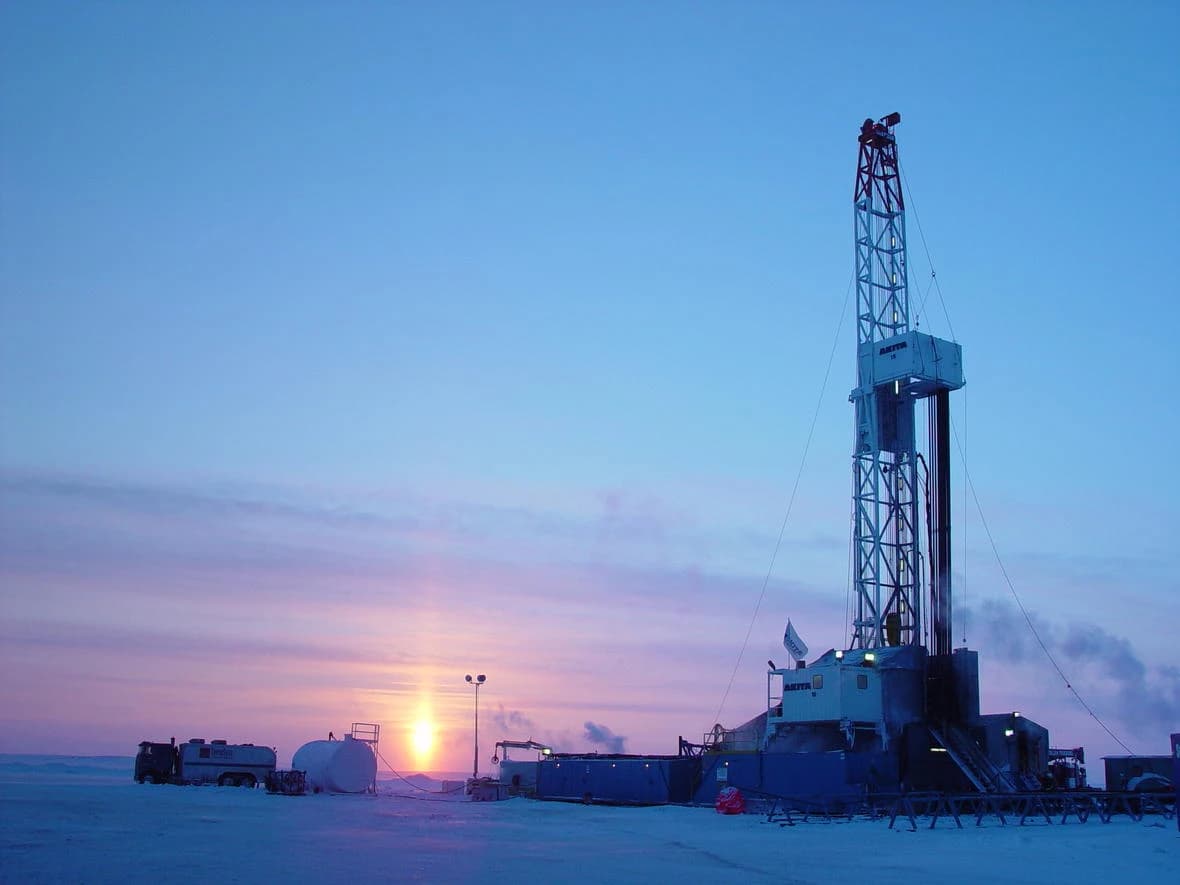
The rally matters because natural gas is entering the heating season with supply-demand expectations changing faster than physical balances. Even without a major supply shock, colder forecasts can quickly tighten the market as storage withdrawals accelerate, lifting prompt-month prices and changing the economics for utilities, producers and consumers. In a fuel market already defined by sharp swings, the latest bid suggests investors are starting to price in a more constructive demand backdrop after a prolonged period of volatility.
Sentiment Indicators
Natural Gas
The timing is important. Adalytica’s natural gas trade signals show sentiment at 78, labeled greed, while awareness remains at 3, or extreme fear, a combination that often reflects an aggressive but fragile move. That positioning has coincided with a rebound in the U.S. Natural Gas Fund, which has been trading around $10.56 after a recent low near $10.26, while the ProShares Ultra Bloomberg Natural Gas fund has climbed to $26.00 from $25.83. Those funds are built for short-term moves and tend to amplify the effect of changing winter expectations.
By contrast, the broader energy complex has remained tied to the same weather-driven narrative, but with different exposures. The SPDR S&P Oil & Gas Exploration & Production ETF, XOP, has retreated to $168.06 from $171.57 in the latest three sessions, showing that gas-specific optimism has not yet translated into blanket strength across energy. That split matters for investors because gas producers, pipeline operators and LNG-linked names stand to benefit more directly from a cold snap than integrated oil companies, which remain dominated by crude fundamentals.
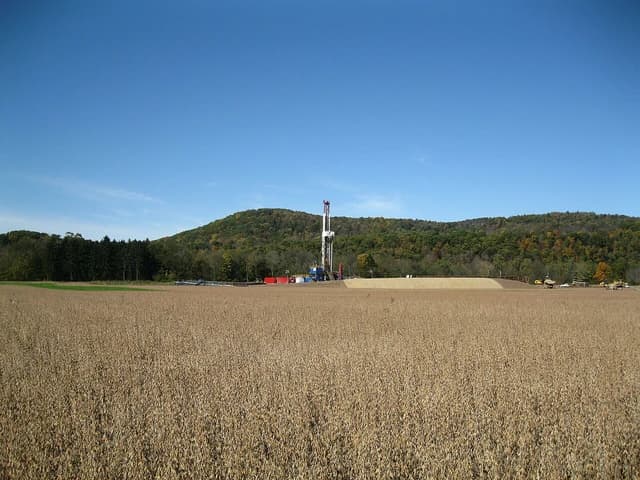
Technical signals also show the market is trying to stabilize rather than break into a confirmed trend. UNG remains near its 50-day moving average, with RSI readings in the high-30s and MACD still below zero, suggesting there is room for further upside if weather data stays supportive, but no clear sign yet of a durable breakout. XOP’s RSI has fallen into oversold territory after a sharp slide from its October highs, underscoring how quickly energy sentiment can reverse when the market questions demand strength.
The macro backdrop adds another layer. Europe is heading into winter with unusually low gas storage, a reminder that global LNG flows and weather risk remain tightly linked. If cold conditions persist in the U.S. and Europe at the same time, the market could see stronger spot prices, firmer LNG export economics and better cash flow expectations for North American gas producers. If temperatures moderate, however, the recent move could unwind just as quickly, especially given the stretched sentiment and the tendency for leveraged gas products to swing violently.
For investors, the key question is whether this is the start of a sustained winter drawdown in inventories or just another short-lived weather trade. The next catalysts are weekly storage data, updated temperature forecasts and any sign that heating demand is running ahead of seasonal norms. Until then, the market is rewarding those positioned for colder weather — but it is punishing anyone who treats the rally as settled.
| Entity | Gains | Losses |
|---|---|---|
| Natural gas bulls | ▲Higher winter pricing | ▼Mild-weather scenario |
| UNG / KOLD traders | ▲Volatility and directionality | ▼Holders facing whipsaws |
| U.S. gas producers | ▲Better realized prices | ▼Low-price leverage |
| Gas-intensive consumers | ▲N/A | ▼Higher heating costs |