Bangladesh’s electricity mix is tilting toward coal as gas shortages, costly LNG imports and supply disruptions make coal the more reliable fuel for keeping the lights on.
Bangladesh coal share rises as gas shortages persist
Coal
Coal’s share of total generation jumped to 26.72% in fiscal 2025 from 6.24% four years earlier, according to Bangladesh Power Development Board data, while gas fell to 44.08% from 55.06% over the same period. The shift matters because Bangladesh’s power system has long depended on gas, and the squeeze on domestic output is now forcing operators to lean on coal-fired baseload plants that can run on stockpiled fuel rather than daily LNG arrivals.
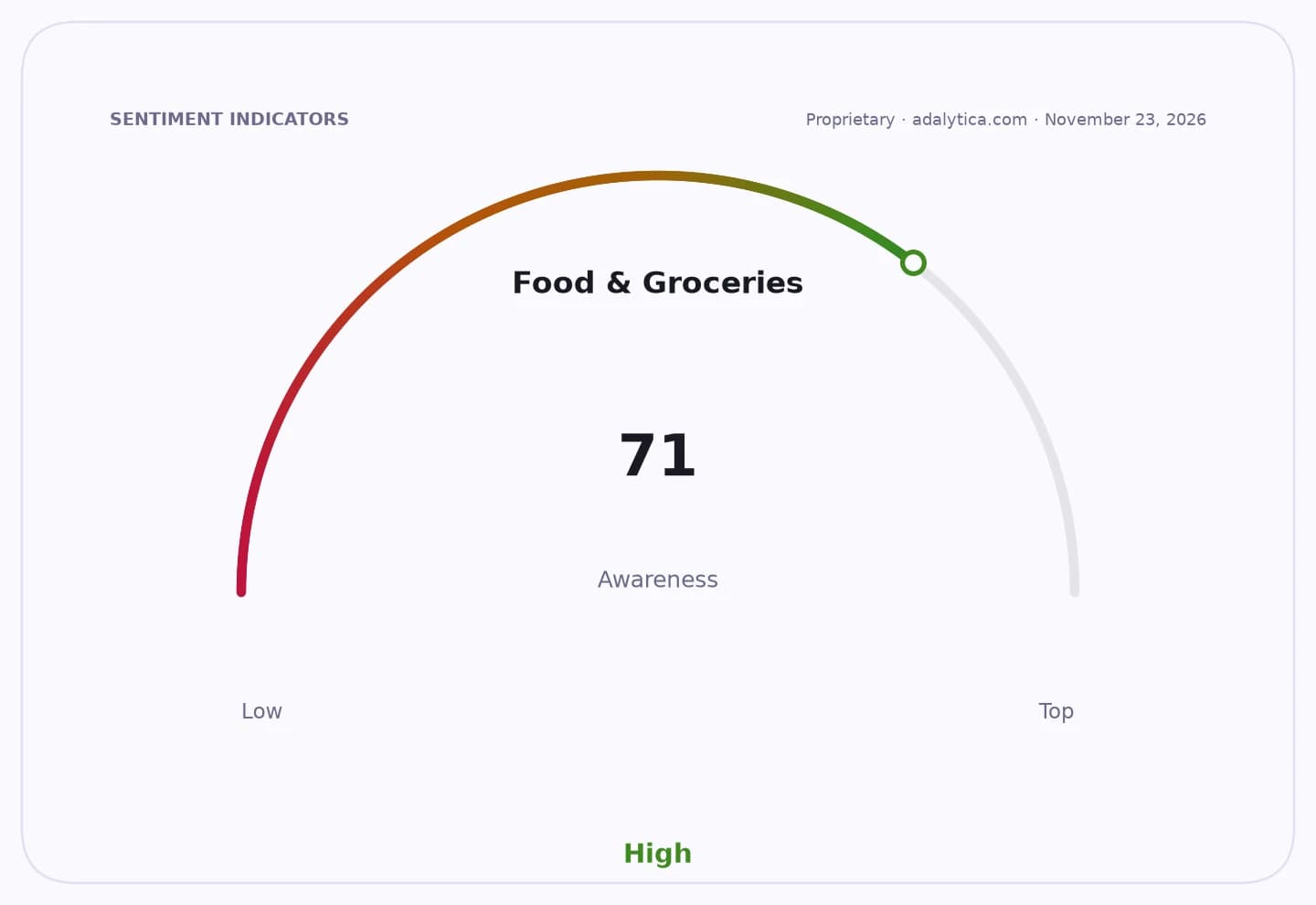
Sentiment Indicators
The crossover has already shown up at peak demand. National Load Dispatch Centre data showed coal supplying 36% of evening generation on Oct. 3, ahead of gas at 34%, before repeating the lead the next day at 35% versus 33%. Gas regained a slim edge on Oct. 5, underscoring that the change is not yet permanent, but the balance is moving.
For investors and energy suppliers, the key takeaway is that Bangladesh is prioritizing supply security over fuel preference. Power Division Secretary Mirana Mahrukh said coal would play a “vital role” in stabilizing power supply and noted the government plans to use maximum coal-fired capacity to meet next summer’s demand.
That makes the country’s six major coal plants increasingly important. Payra, Rampal, Matarbari, SS Power, Patuakhali and Adani Power’s 1,496MW Godda plant in India provide about 7,519MW of dependable capacity, enough to anchor the grid when gas delivery falters. The plants have operational lives of 22 to 25 years, suggesting coal will remain embedded in Bangladesh’s power mix well beyond the current supply crisis.
The economic driver is straightforward. Domestic gas production has fallen while overall demand has climbed to about 3,800mmcfd against supply of roughly 2,600-2,650mmcfd, forcing rationing across power plants, industry and fertilizer users. LNG has not filled the gap cleanly: a July fire at an Excelerate Energy floating terminal cut regasification capacity, and spot cargoes have become more expensive as geopolitical disruptions tightened supply.
That leaves coal with a cost-and-reliability advantage, even as global prices and freight remain volatile. Monthly data show coal outproduced gas in August and July, and the margin has narrowed through the year as gas availability deteriorated. The pattern suggests Bangladesh’s power mix is shifting less by policy than by necessity.
For coal miners, utilities and shipping providers, the near-term implication is firmer demand. For gas suppliers and LNG traders, Bangladesh’s move underscores how quickly a power market can revert to coal when imported gas becomes too expensive or too uncertain. The next catalyst is summer demand, when the government will test how much coal capacity it can actually keep online.
| Entity | Gains | Losses |
|---|---|---|
| Coal-fired generators | ▲Higher utilization | ▼Less idle capacity |
| LNG suppliers | ▲None | ▼Lost market share |
| Gas-fired plants | ▲None | ▼Fuel shortages |
| Bangladesh grid operators | ▲More reliable supply | ▼Higher dependence on coal |