Inflation is showing up in the most basic household budgets in Uttar Pradesh, with Green Gas Ltd. raising compressed natural gas and piped natural gas prices in five cities just as winter demand and global gas costs firm up.
Green Gas raises CNG and PNG prices in Uttar Pradesh
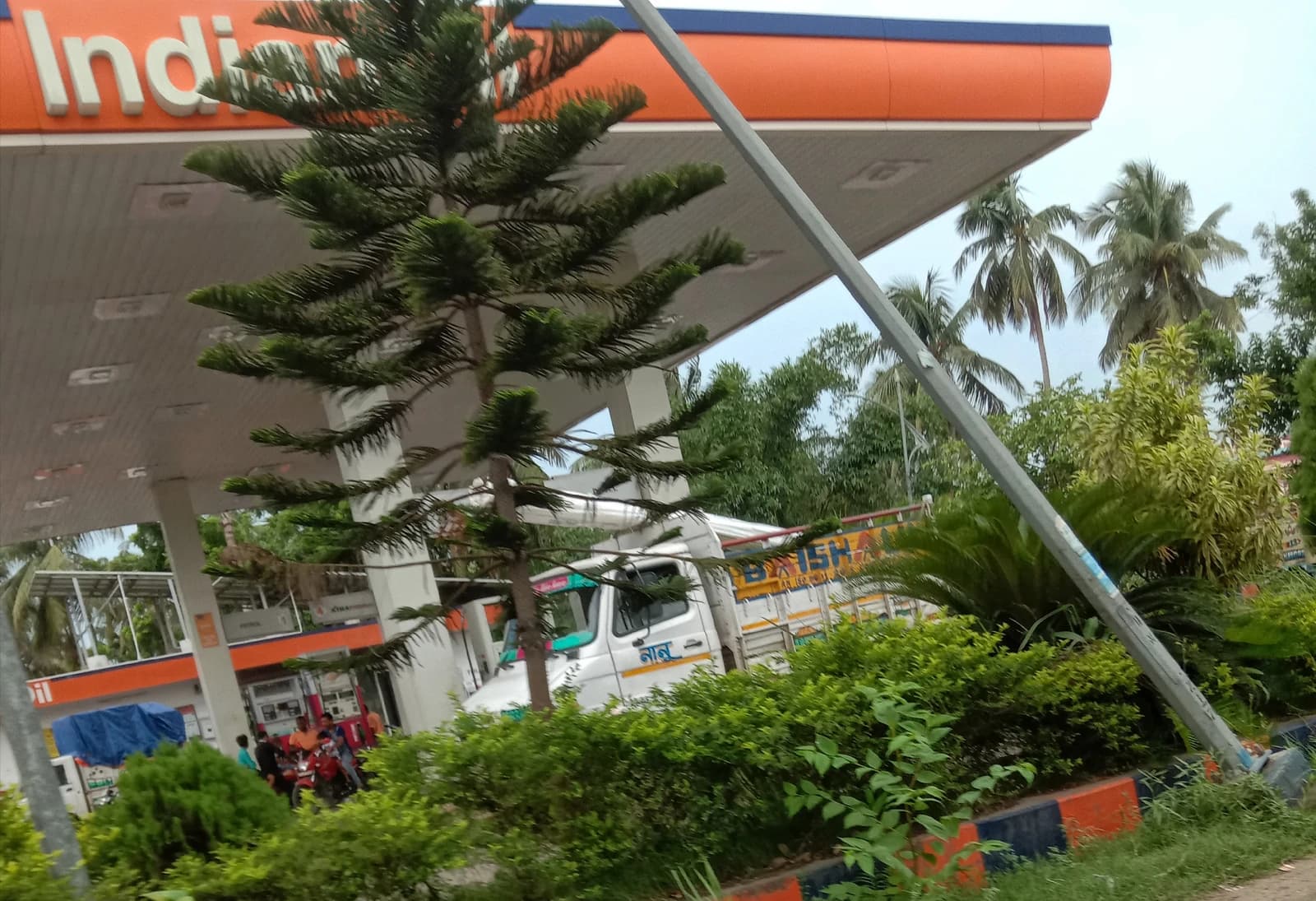
The move matters because it hits both sides of the consumer wallet at once: commuters who rely on CNG for cheaper fuel and households that use PNG for cooking. Green Gas increased CNG by Rs 2 per kilogram and PNG by Rs 1 per standard cubic meter in Lucknow, Agra, Unnao, Ayodhya and Sultanpur, effective Sunday morning. In Lucknow and Agra, CNG has risen to Rs 110 per kg from Rs 108, while PNG now costs Rs 57.50 per scm in those cities.
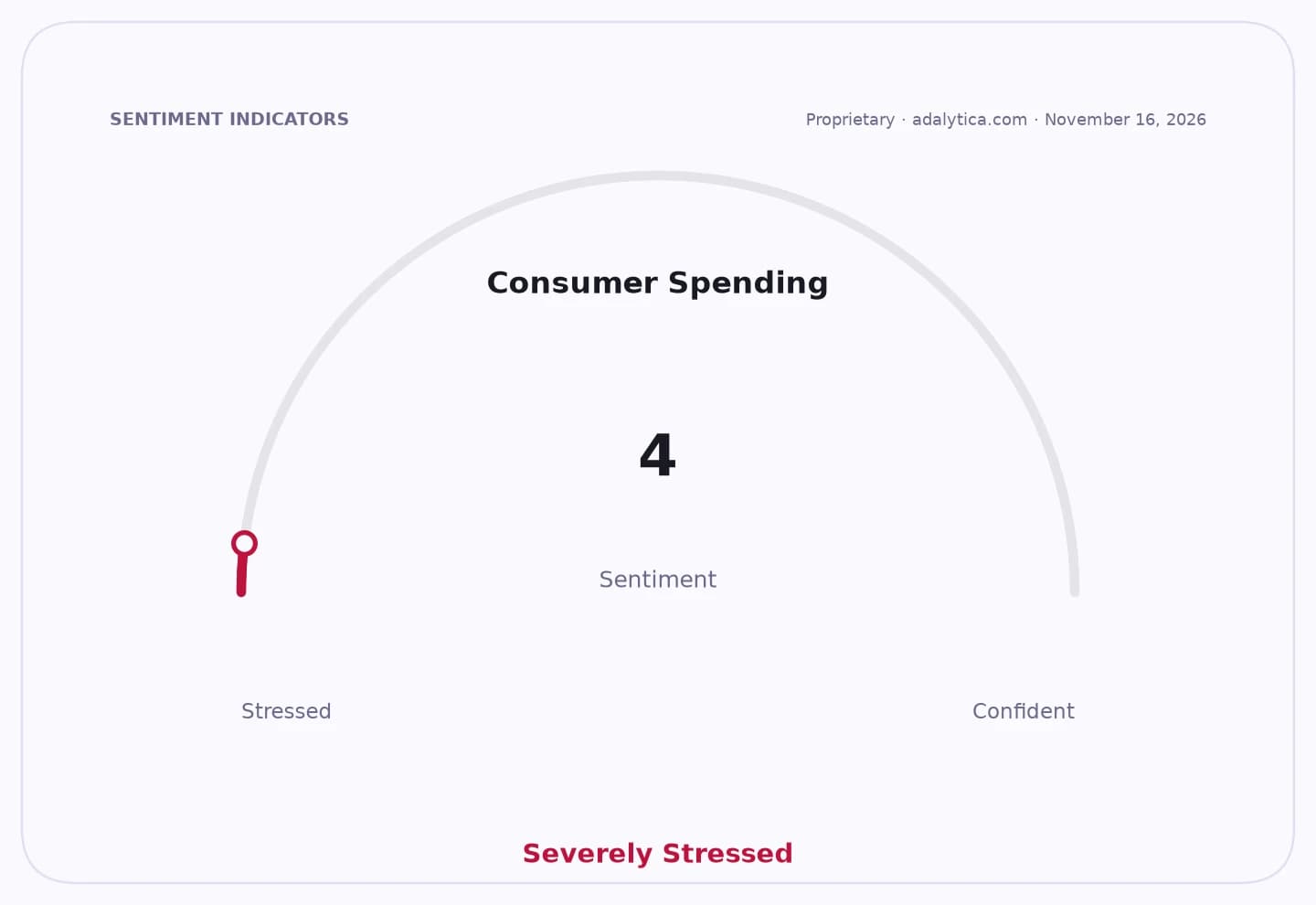
Sentiment Indicators
For households and drivers, the increase is small in isolation but meaningful in a period when food inflation is already biting. The company has raised CNG prices in Lucknow by Rs 5 per kg since Oct. 3, underscoring how quickly recurring fuel costs can erode disposable income. That is the economic story investors should care about: energy inflation is no longer confined to crude headlines or wholesale prices — it is moving straight into urban consumption, transport costs and local operating margins.
Green Gas said the price change reflects higher RLNG procurement costs, as winter demand rises and global supply remains uncertain. That is an important signal for India’s city-gas distributors, which sit on the front line of imported energy volatility. When spot and contracted gas costs climb, distributors often have little choice but to pass part of the increase through to end users, especially when margins are already tight. The result is a familiar inflation loop: higher input costs, higher retail tariffs and more pressure on consumption.
The broader macro backdrop makes this even more relevant. Energy-driven inflation has been one of the key forces keeping policymakers cautious globally, and India is no exception. Every incremental increase in household energy bills reduces room for discretionary spending and can weigh on urban consumption sentiment. For investors, that is a warning flag for consumer-facing businesses, transport operators and any sector that depends on stable disposable income.
The market implication is twofold. First, city-gas distributors with pricing power and efficient sourcing can better defend margins than peers exposed to imported RLNG volatility. Second, sustained gas inflation may accelerate the shift toward gas supply alternatives, efficiency investments and infrastructure names tied to distribution networks rather than pure commodity exposure. The winners are the operators that can pass through costs or lock in cheaper supply; the losers are price-sensitive consumers and businesses absorbing the shock.
If winter gas tightness persists, more price revisions are likely, and that keeps energy inflation on the radar well beyond Uttar Pradesh. For investors, the key takeaway is clear: this is not just a local tariff tweak, but another sign that the inflationary pressure on Indian consumers is broadening from kitchen to road.
| Entity | Gains | Losses |
|---|---|---|
| Green Gas Ltd. | ▲Pass-through of higher costs | ▼Customer goodwill |
| RLNG suppliers | ▲Higher realized prices | ▼Demand sensitivity |
| Urban commuters | ▲— | ▼Higher fuel bills |
| Households using PNG | ▲— | ▼Higher cooking costs |