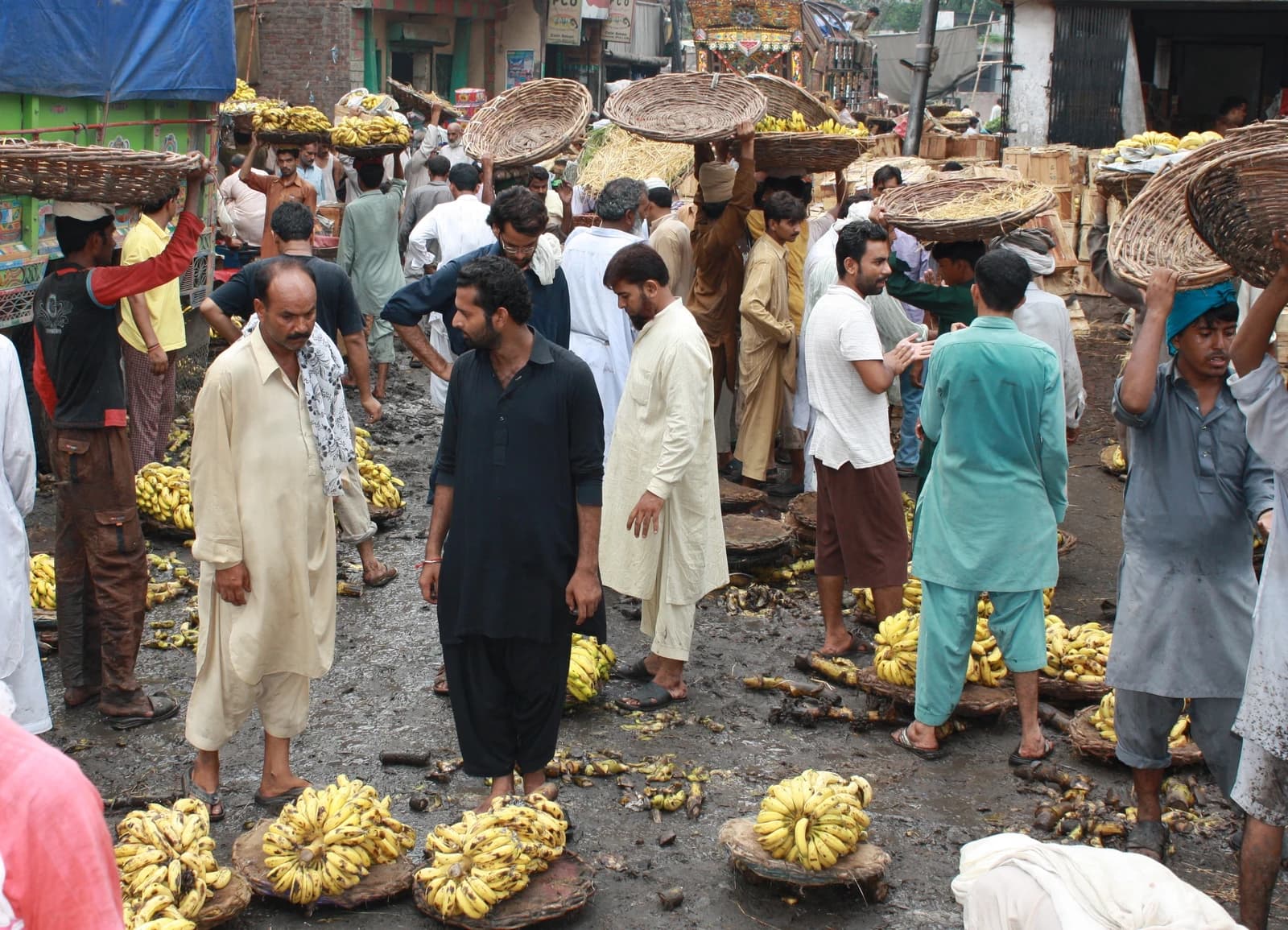
Onion prices in Quetta have surged to 200 rupees per kilogram, underscoring a fresh squeeze on a basic food staple that can quickly feed into household inflation and pressure already strained consumer budgets.
Quetta Onion Prices Rise to 200 Rupees per Kg

The jump matters because onions are a high-frequency purchase in Pakistan and a sharp rise in the price of a key kitchen ingredient tends to ripple through broader food inflation. When a staple doubles or spikes abruptly, it can hit lower-income consumers fastest, while also raising input costs for restaurants, street vendors and small food businesses.
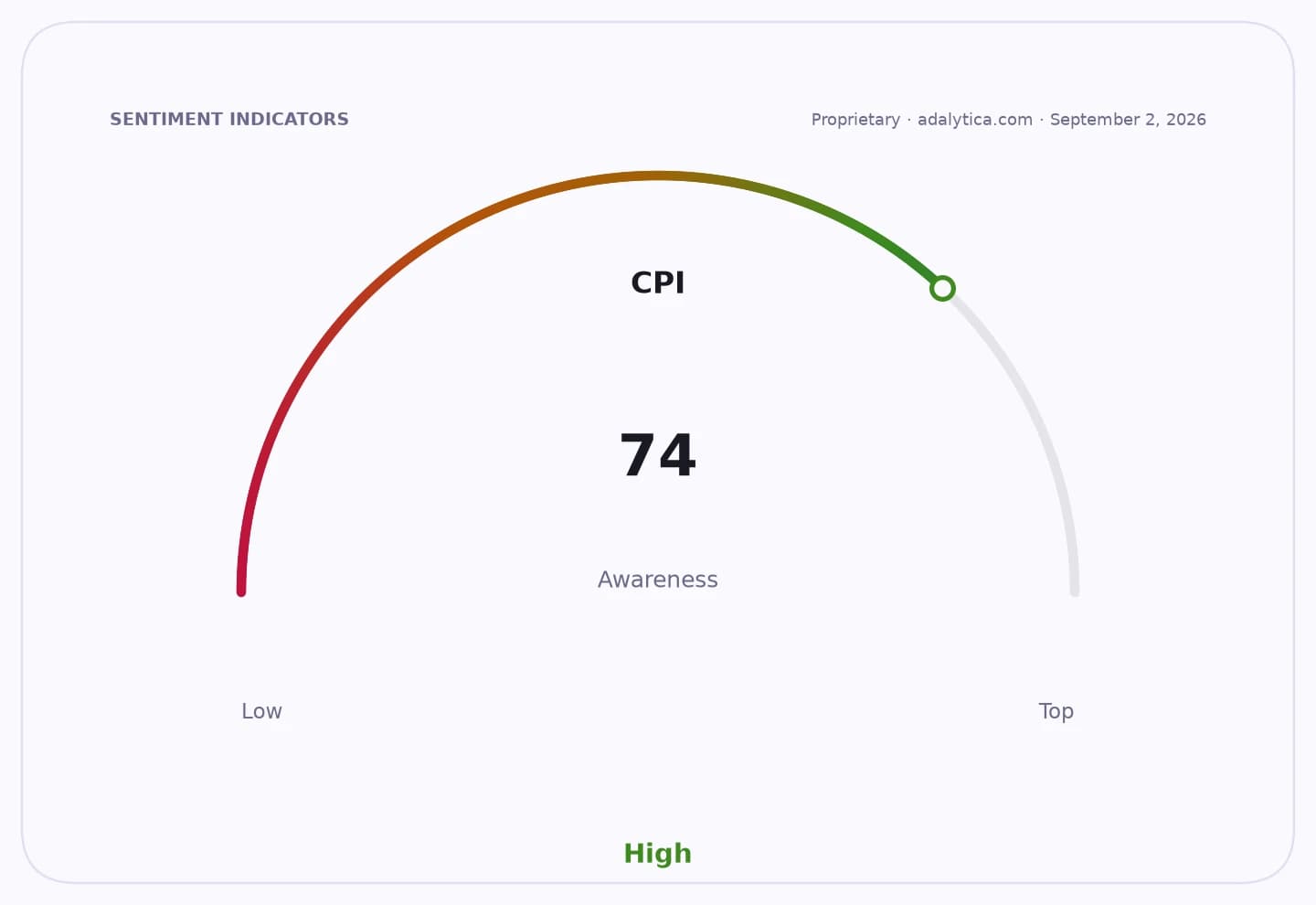
Sentiment IndicatorsⓘProprietary · adalytica.com · September 8, 2026
This is a snapshot — live sentiment, awareness and momentum for 130+ markets update continuously in the dashboard.Open AlphaPulse
The move comes amid market volatility that has already forced authorities in other parts of the region to intervene by releasing subsidized onions to calm prices. That kind of emergency supply support is usually a sign that the market is short of produce, whether because of weather damage, storage losses or disrupted distribution.
For investors, the main implication is not an equity-market trade but a macro one: higher food prices can keep inflation sticky and complicate policy responses in Pakistan. Persistent spikes in perishables also tend to amplify pressure on currencies and consumer spending, both of which matter for importers, retailers and any business dependent on discretionary demand.
The broader narrative is one of supply stress in a politically sensitive crop. If arrivals improve and retail channels normalize, prices can ease quickly; if harvest damage or transport bottlenecks persist, the inflationary impact can spread well beyond Quetta. The next watchpoint is whether local authorities move to add subsidized stock or whether wholesale prices keep climbing.
| Entity | Gains | Losses |
|---|---|---|
| Onion farmers/traders | ▲Higher selling prices | ▼Risk of backlash |
| Consumers in Quetta | ▲Temporary relief if supply improves | ▼Higher food bills |
| Restaurants and vendors | ▲None | ▼Higher input costs |
| Local authorities | ▲Chance to intervene | ▼Pressure over inflation |