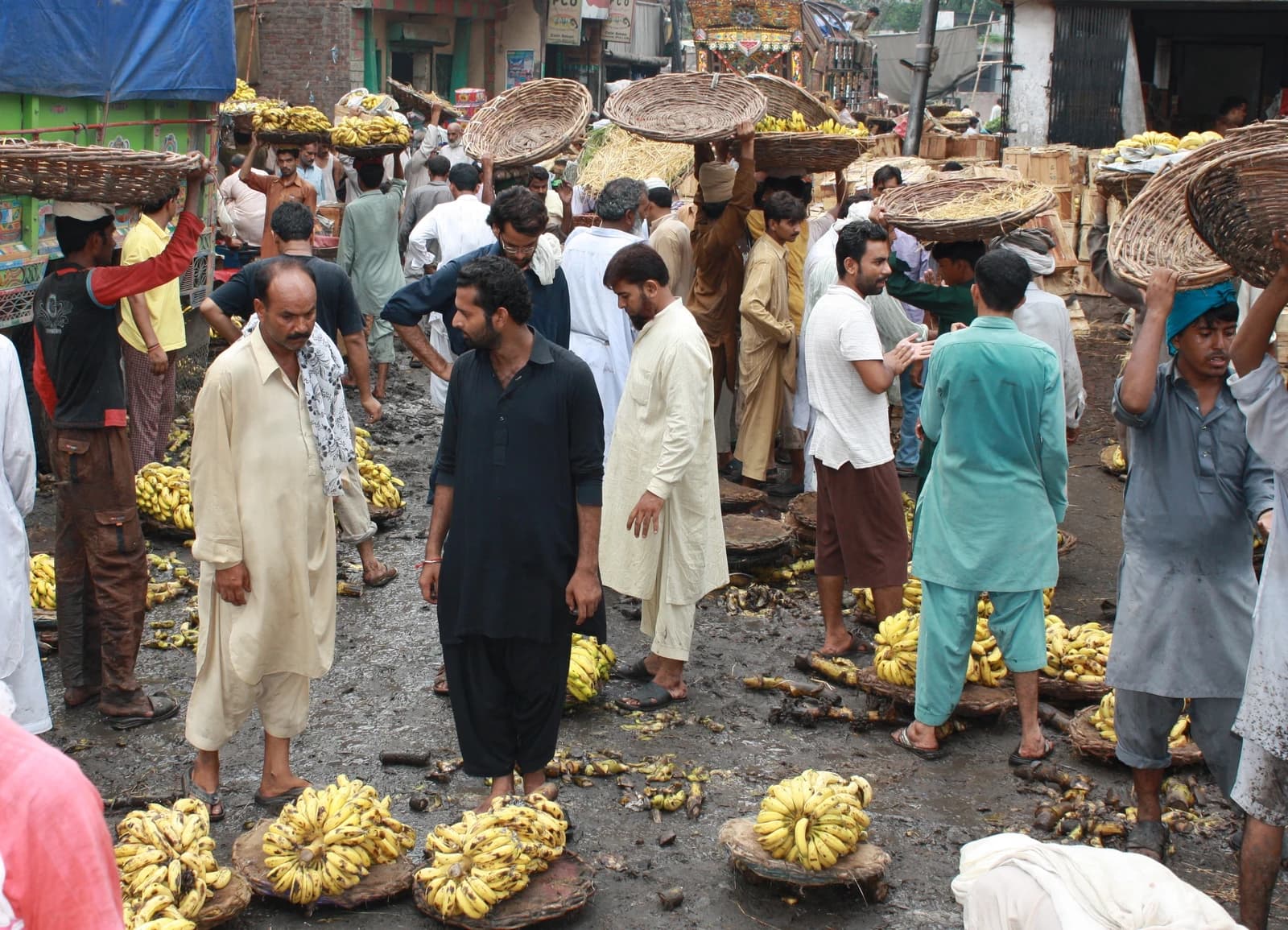
The central government has started pushing fresh onion supplies into the market, a move that could ease one of the country’s most politically sensitive food-price pressures ahead of the new harvest.
India releases onion buffer stock to ease prices

Officials said onion prices have begun to soften after the release of buffer stocks, but retail rates remain high in several cities and the intervention shows the state is still acting to keep a staple item affordable. The government is selling onions from its reserve at Rs 35 a kilogram in selected high-price markets and has already moved about 1,500 tonnes through retail channels, while the broader buffer stock for 2026 is estimated at about 121,000 tonnes.
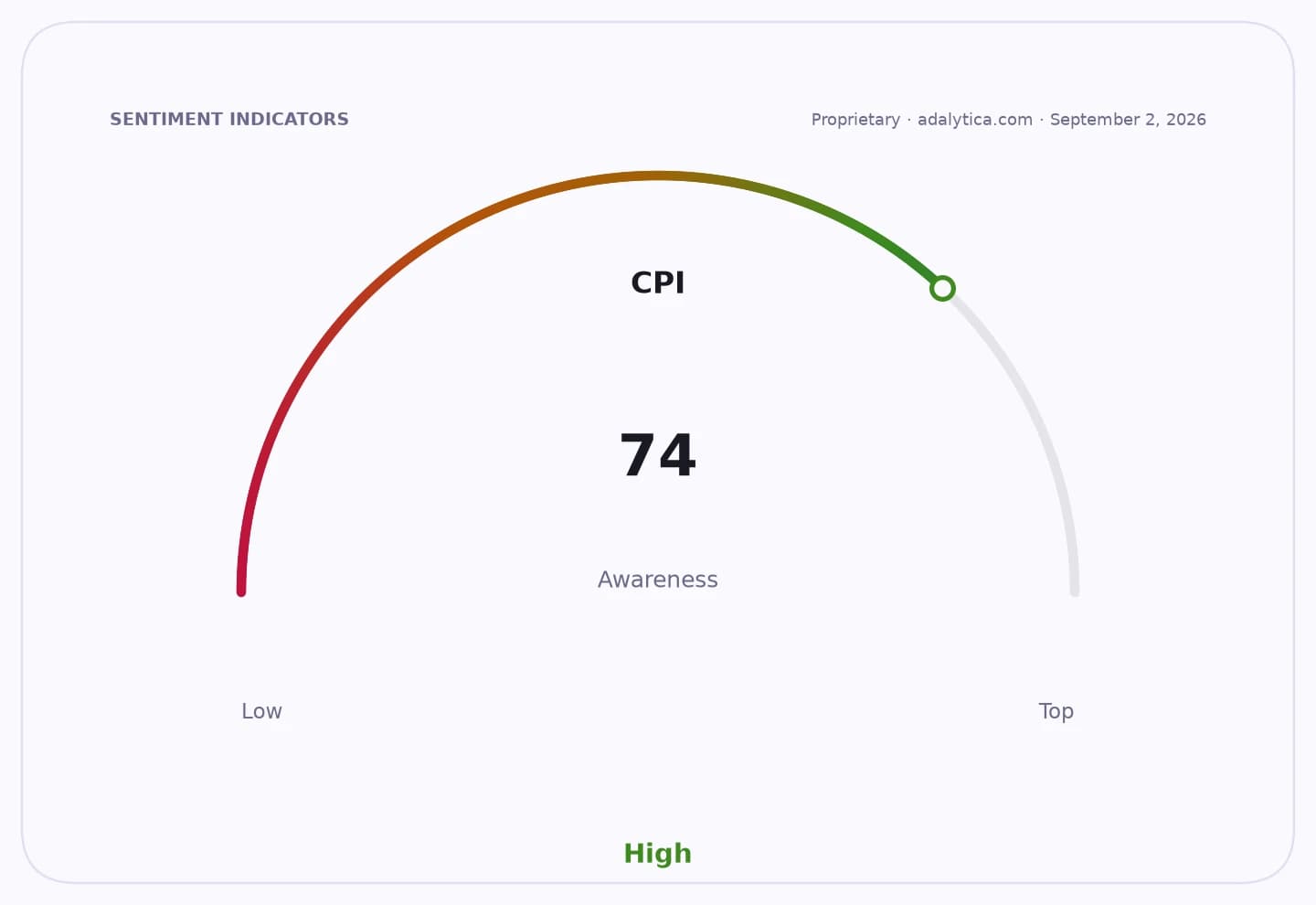
Sentiment IndicatorsⓘProprietary · adalytica.com · September 6, 2026
This is a snapshot — live sentiment, awareness and momentum for 130+ markets update continuously in the dashboard.Open AlphaPulse
The most immediate market effect is on household budgets. Onions are not a discretionary item; when their prices rise, the impact is felt quickly in consumer inflation, especially for lower-income buyers with limited room to absorb food shocks. Government data showed the all-India average retail onion price at Rs 48.50 a kilogram on Aug. 28, rising to roughly Rs 50.79 by Sept. 5. Prices in major cities were higher still, including Rs 58 in Delhi, Rs 53 in Mumbai and Rs 63 in Chennai.
That makes the intervention economically important beyond the onion market itself. Food inflation in India can move headline inflation and shape expectations around the broader cost of living, especially when seasonal supply tightness meets festive-season demand. By releasing stocks now, the government is trying to prevent a sharper spike that could feed into consumer sentiment and force a broader policy response later.
The supply operation is also being used as a logistics test. Government agencies NCCF and NAFED are distributing onions across Delhi-NCR, Tamil Nadu, Uttar Pradesh, Kerala, Rajasthan, Punjab and Odisha, with special rail services such as the Onion Express alongside truck shipments. Authorities have also sent consignments to Delhi and Chennai and are preparing to supply Guwahati, suggesting the aim is not just price relief but wider market stabilization.
For investors, the key issue is whether the intervention remains temporary or becomes a larger food-price management campaign. A successful release from buffer stocks would support consumer discretionary spending by easing pressure on household budgets, but persistent onion inflation would reinforce the case for continued state involvement in volatile perishables. Traders in broader food and retail sectors will watch whether the new kharif crop arriving over the next few days brings down wholesale prices and whether the government has to keep selling stock at subsidized rates.
The near-term narrative is straightforward: supply is being pushed into a tight market to cool a politically sensitive staple. The longer-term question is whether the harvest and storage system can finally reduce the recurring onion-price shocks that keep sending the government back into the market.
| Entity | Gains | Losses |
|---|---|---|
| Households | ▲Lower grocery bills | ▼Food inflation pressure |
| Government | ▲Policy credibility | ▼Buffer stock strain |
| Consumers in high-price cities | ▲Near-term relief | ▼Still elevated prices |
| Traders/suppliers | ▲Higher volumes moved | ▼Lower retail margins |