Raízen’s debt overhaul has crossed from financial engineering into a full-blown value destruction event for creditors, with some being offered just 20% of what they are owed and only in a single payment due in 2047. For investors, that is the clearest signal yet that Brazil’s ethanol and sugar giant is prioritizing balance-sheet survival over preserving creditor recoveries, and that the cost of its rescue will be pushed far into the future.
Raízen debt plan offers creditors 20% recovery
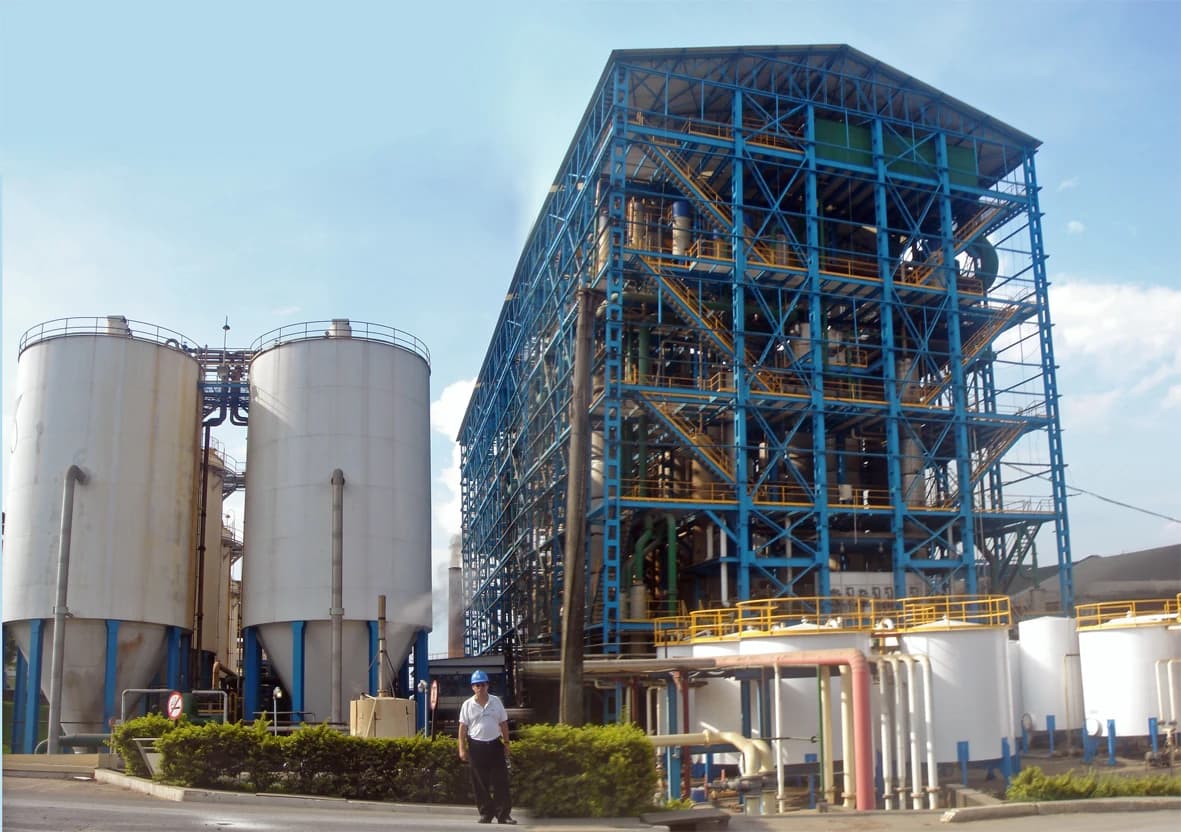
The company has given creditors until Dec. 3 to choose among three repayment options under a recovery plan covering 61.4 billion reais of debt. The harshest default option applies automatically to anyone who fails to opt in: a one-time cash payment of 20% of the claim on March 31, 2047, implying an 80% haircut. That is an extraordinary term even by distressed-debt standards, and it shows how stretched the capital structure has become.
Sentiment Indicators
Raízen is also offering a second route that swaps claims for a mix of stock and new debt, effectively turning lenders into equity-linked backers of a reorganized business. A third option is aimed at smaller claims, with 75% paid in cash but capped at 9,750 reais per issuance, supported by a reserve of up to 150 million reais. For larger creditors, the message is blunt: take the long-dated, deeply discounted recovery, or accept conversion into a new capital structure that may be far removed from today’s creditor priority.
Economically, the plan matters because Raízen is one of the most important players in Brazil’s bioenergy and fuel ecosystem, and the restructuring reflects the pressure now hitting capital-intensive commodity businesses as leverage, volatility and financing costs collide. The company has already won shareholder approval for measures to execute the plan, including fresh capital injections and a split into two independent companies. That separation is designed to create cleaner, more financeable entities, but it also underscores how severe the original debt load had become.
For investors, the story is less about one troubled borrower than about what kind of claims get paid in a stressed credit cycle. Creditors are being asked to choose between a long-dated, heavily discounted cash recovery and instruments tied to a reorganized business whose future depends on execution, asset sales and market conditions. Raízen has already sold three sugar and ethanol plants in Mato Grosso do Sul, including units to Cocal and Adecoagro, which shows the company is actively shrinking and monetizing assets to make the restructuring workable.
That is why this matters beyond Brazil. The Raízen plan is another reminder that in highly leveraged sectors, equity can be preserved only by forcing losses onto creditors, and sometimes by pushing those losses many years into the future. If the restructuring holds, it may stabilize the company and protect operations. If it fails, the damage will ripple through Brazilian credit markets and reinforce a wider caution on distressed industrial names with heavy refinancing needs. For investors, the opportunity is no longer in the old debt stack — it is in identifying which new capital structures can survive the reset.
| Entity | Gains | Losses |
|---|---|---|
| Raízen | ▲Debt relief | ▼Creditor pressure |
| Creditors | ▲Limited recovery options | ▼80% haircut |
| Shareholders | ▲Balance-sheet reset | ▼Dilution risk |
| Competing biofuel buyers | ▲Asset acquisition opportunities | ▼None |