A day of selling apples, bananas and coconuts bought for Rs 9,000 left vendor-influencer Rajiv Prajapati with about Rs 1,200 in net profit, offering a small-window look at the economics of India’s low-margin fresh fruit trade.
Rajiv Prajapati fruit sales profit Rs 1,200
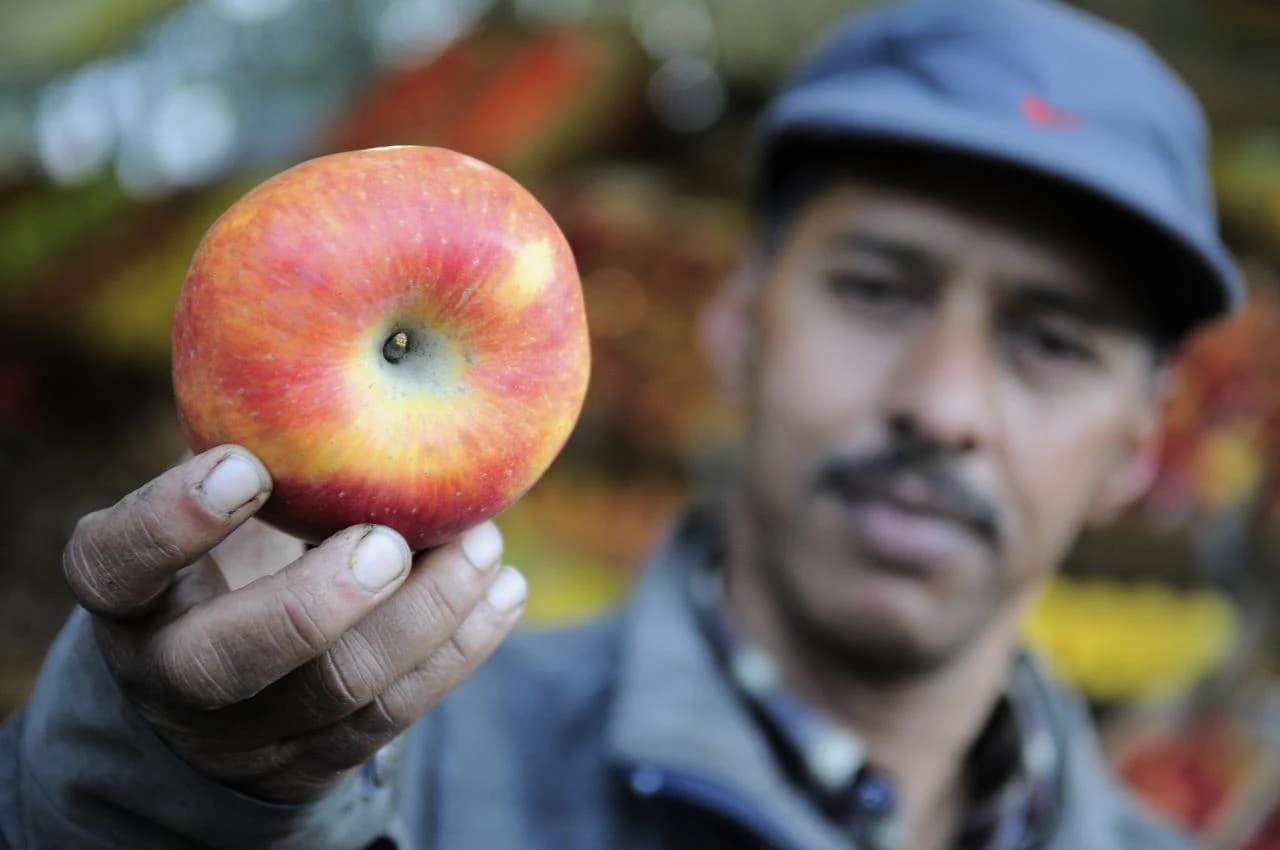
Prajapati said his gross takings from plying the produce through neighbourhood lanes came to Rs 10,400, implying a headline gain of Rs 1,400 on the day. After deducting roughly Rs 200 for packaging and fuel, the profit fell to around Rs 1,200, or barely 13% of the initial outlay.
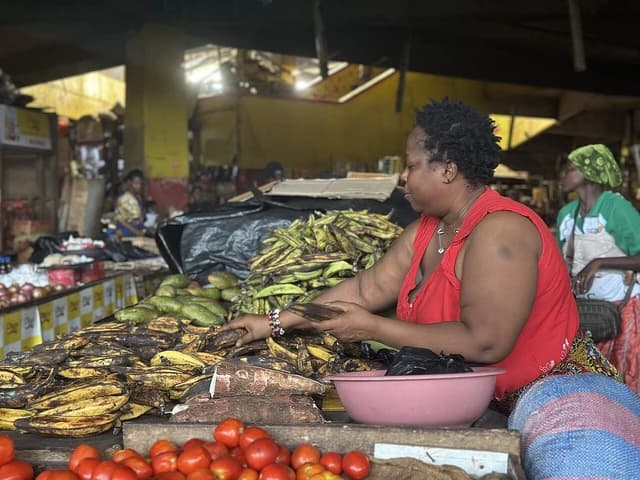
The numbers underline how thin earnings can be in retail fruit vending, where daily sales volume matters more than margins and even modest costs such as transport, plastic bags and spoilage can quickly eat into returns. For small traders, a seemingly healthy turnover often masks a business that depends on constant movement of inventory and disciplined purchasing.
The video, posted under the title “₹9,000 ke seeb, kele aur nariyal paani bechkar aaj kitna profit hua?”, has drawn more than 13.4 million views and 477,000 likes, showing the appetite for content that breaks down informal commerce in simple rupee terms. Prajapati, who also sells vegetables and runs a social media presence, has turned the daily arithmetic of street vending into a form of financial entertainment.
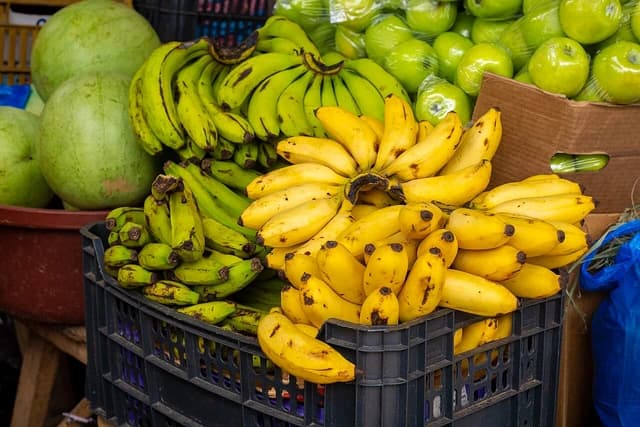
For investors and observers of India’s informal consumer economy, the lesson is not about one vendor’s earnings so much as the structure of the business itself: high turnover, low pricing power and narrow buffers against costs. That makes the segment vulnerable to swings in supply, fuel prices and local demand, even when sales volumes appear brisk.
The same economics help explain why efficiency — better sourcing, less wastage and cheaper distribution — can matter more than small changes in selling price. In a trade where a Rs 9,000 stock can yield only Rs 1,200 after expenses, incremental gains in logistics or procurement can have an outsized effect on profitability.
| Entity | Gains | Losses |
|---|---|---|
| Rajiv Prajapati | ▲Viral reach; modest net profit | ▼Thin margin after costs |
| Fruit vendors | ▲Turnover from daily sales | ▼Fuel, packaging and spoilage |
| Consumers | ▲Visible price transparency | ▼Higher prices if supply tightens |
| Logistics-efficient sellers | ▲Better profitability | ▼Less efficient competitors |