Royal Bank of Canada is finally seeing its mortgage engine accelerate again, and that matters because housing lending remains one of the bank’s most important profit drivers in Canada.
RBC Mortgage Growth Accelerates in Q3

Residential mortgage balances climbed 1.8% in the third quarter from the previous quarter and 5% from a year earlier to $439 billion, the fastest quarterly growth since RBC bought HSBC Canada. For investors, that is a sign the bank is not only defending its franchise in a fiercely competitive market, but also taking share at a time when Canadian housing demand has been under pressure from higher borrowing costs and a cooler real-estate backdrop.
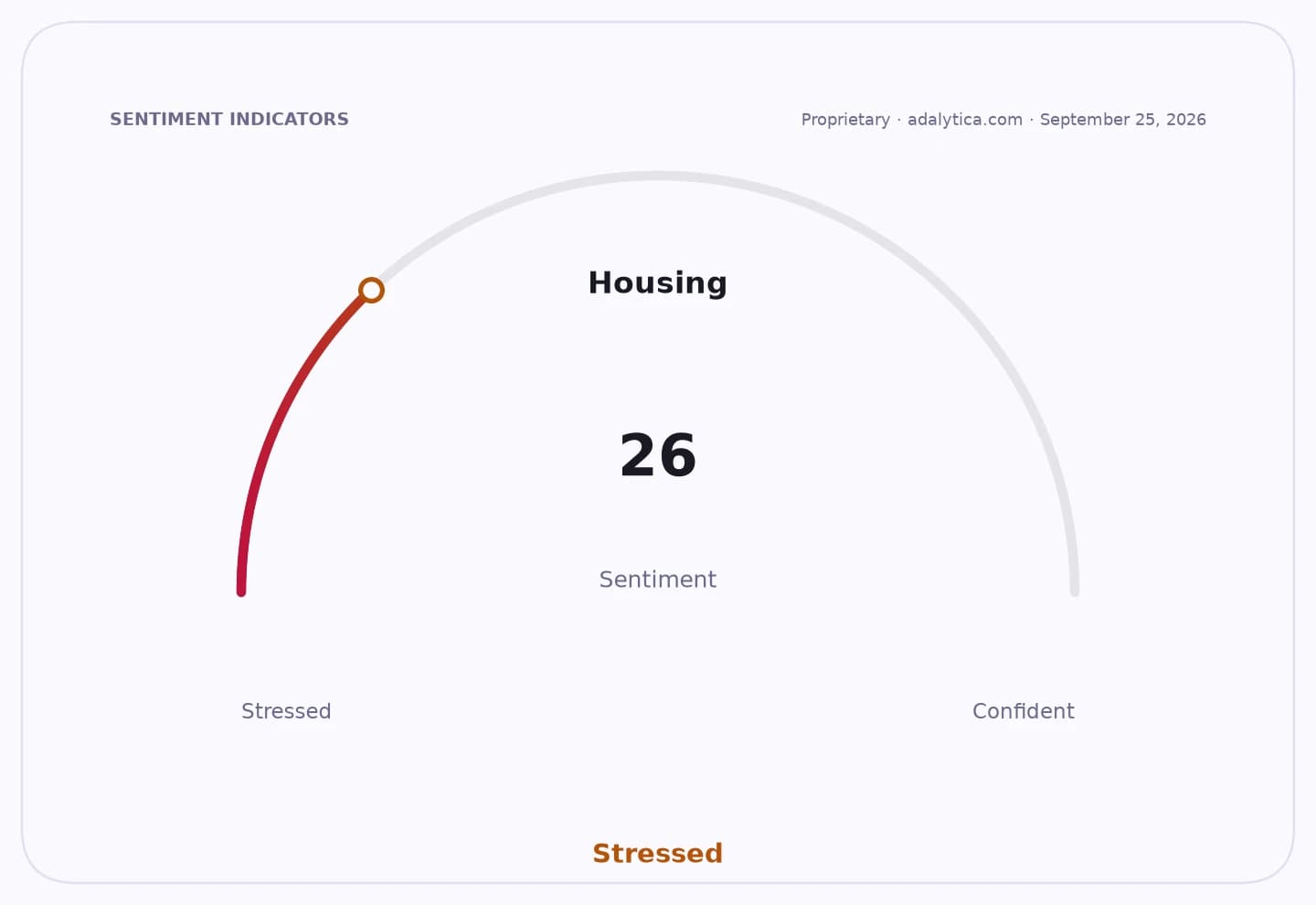
Sentiment IndicatorsⓘProprietary · adalytica.com · September 5, 2026
This is a snapshot — live sentiment, awareness and momentum for 130+ markets update continuously in the dashboard.Open AlphaPulse

Chief executive Dave McKay said stronger retention and more borrowers switching to RBC helped power the gains. That is important because mortgage growth at a big lender is rarely just about volume; it also speaks to pricing power, customer stickiness and the bank’s ability to bundle deposits, cards and other products around a household relationship. If RBC keeps winning those households, the earnings benefits can compound over years, not quarters.
The wider Canadian banking real-estate secured lending portfolio, including home equity lines of credit, rose to $479 billion from $456 billion a year earlier. That growth helped RBC deliver adjusted net income of $6.10 billion, up 10%, while adjusted earnings per share rose 11% to $4.28. The bank also lifted its Common Equity Tier 1 capital ratio to 13.5%, giving it room to keep competing while still preserving a strong balance sheet.
Still, this is not a one-way story. RBC said margins in Canadian banking should stay relatively stable next quarter, but competitive pressure on mortgages and term deposits is still real. Net interest margin in the Canadian banking unit was 2.96%, up from a year ago but down from the prior quarter. That tells investors the bank is growing, but not without giving up some pricing in a market where lenders are fighting hard for business.
Credit quality remains broadly solid, though some measures weakened. The share of mortgages at least 90 days past due rose to 41 basis points from 31 basis points a year earlier, with the Greater Toronto Area and Greater Vancouver showing bigger increases. Loan-to-value metrics also moved higher, and the share of the portfolio with an LTV above 80% rose to 14% from 8%. Even so, RBC said the average borrower credit score stayed high at 820, and management said retail credit conditions have recently shown signs of stabilizing.
That combination is the real takeaway for long-term investors: RBC is growing in housing without yet showing signs of a broad credit problem. The insured share of the mortgage book slipped to 19% from 20%, while the variable-rate share rose to 37% from 33%, so there is some sensitivity to rate moves and housing stress. But with a strong capital position, a huge deposit base and a dominant Canadian franchise, RBC still looks like one of the cleanest ways to own Canadian banking over a multiyear horizon. For buy-and-hold investors, this is the kind of business update worth watching, not trading around.
| Entity | Gains | Losses |
|---|---|---|
| RBC | ▲Faster mortgage growth | ▼Some margin pressure |
| Mortgage borrowers | ▲Better switching options | ▼Tighter competition for credit |
| Canadian banks | ▲Strong loan demand | ▼Pricing pressure on deposits |
| Credit investors | ▲Stable borrower quality | ▼Rising delinquency trends |