India’s first repo-rate increase in more than three years is set to pressure microfinance institutions by raising their funding costs and potentially reducing the flow of bank credit, even as executives say the sector is broadly capitalised enough to absorb the near-term shock.
RBI repo hike raises India microfinance funding costs
The Reserve Bank of India raised the repo rate by 25 basis points to 5.50%, a move industry executives said could filter through to higher borrowing costs for microfinance lenders and, eventually, their customers. The immediate risk is not a liquidity freeze, they said, but a slower transmission of funds and a tighter funding environment for MFIs that rely on bank lines and other wholesale borrowing.
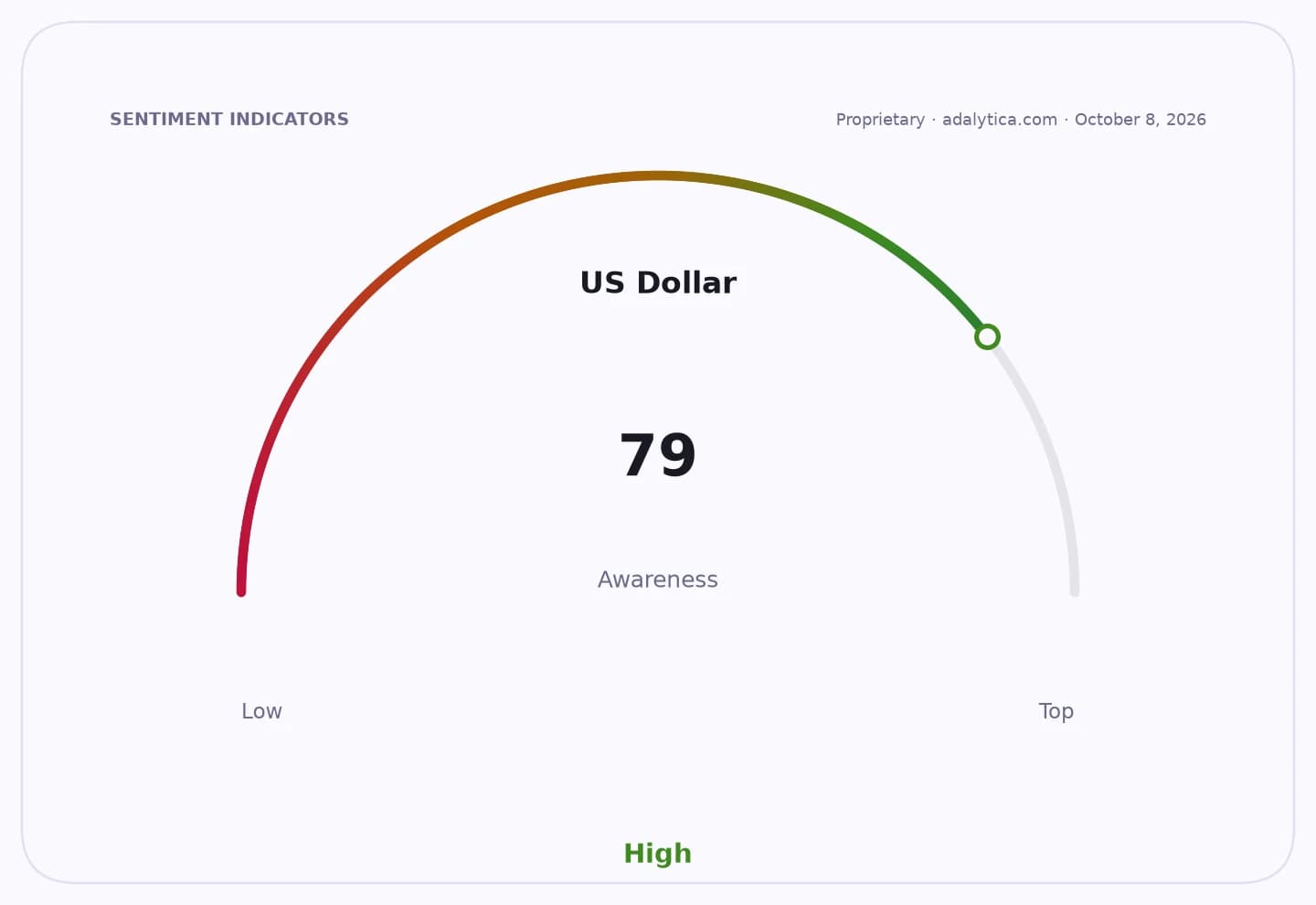
Sentiment IndicatorsⓘProprietary · adalytica.com · October 11, 2026
This is a snapshot — live sentiment, awareness and momentum for 130+ markets update continuously in the dashboard.Open AlphaPulse
That matters because microfinance sits at the sharp end of India’s credit system. MFIs serve low-income borrowers and small businesses that typically have little access to formal finance, so even modest increases in funding costs can squeeze margins, force lenders to become more selective and raise the effective cost of credit in rural and semi-urban markets. In a sector where pricing is often constrained by regulation and borrower sensitivity, lenders may not be able to fully pass on higher costs, leaving net interest margins under pressure.
Jiji Mammen, chief executive of Sa-Dhan, said the hike should not create major immediate stress for the industry, noting that most institutions remain adequately capitalised. He also argued that any increase in borrowing costs would take time to reach end borrowers and would be unlikely to materially disrupt the performance of micro, small and medium enterprises. That view reflects the bull case for the sector: stronger balance sheets than in past tightening cycles, and an economy still showing demand for small-ticket credit.
The bear case is more pointed. Subrat Sabyasachi Roy, head of strategy at Annapurna Finance, said a higher repo rate could trigger a liquidity crunch as banks tighten lending to MFIs and raise their own charges. If that plays out, the strain would show up first in higher cost of funds, then in narrower spreads and slower loan growth. For institutions already managing regulatory constraints on pricing and collections, a small increase in wholesale funding costs can still have an outsized effect on profitability.
The RBI’s move also lands in a broader environment of tighter monetary conditions, with policymakers signaling a willingness to lean against inflation even at the cost of a somewhat dearer credit cycle. For investors, that keeps the focus on two questions: how quickly banks reprice MFI borrowing lines, and how much of the increase lenders can pass through without hurting demand or asset quality.
That makes the next few months critical for microfinance names, especially those more dependent on bank borrowing or operating with thinner spreads. If funding costs rise faster than lending rates, earnings could soften before loan growth does. If capitalised lenders can protect margins and sustain credit supply, the sector may emerge with limited damage. Either way, the repo hike has made the cost of microcredit a more important market variable.
| Entity | Gains | Losses |
|---|---|---|
| RBI | ▲tighter inflation control | ▼easier credit conditions |
| Microfinance lenders | ▲stronger balance-sheet lenders | ▼funding costs, margins |
| MFI borrowers | ▲slower pass-through risk | ▼cheaper loans |
| Banks | ▲repricing leverage | ▼higher MFI credit risk |