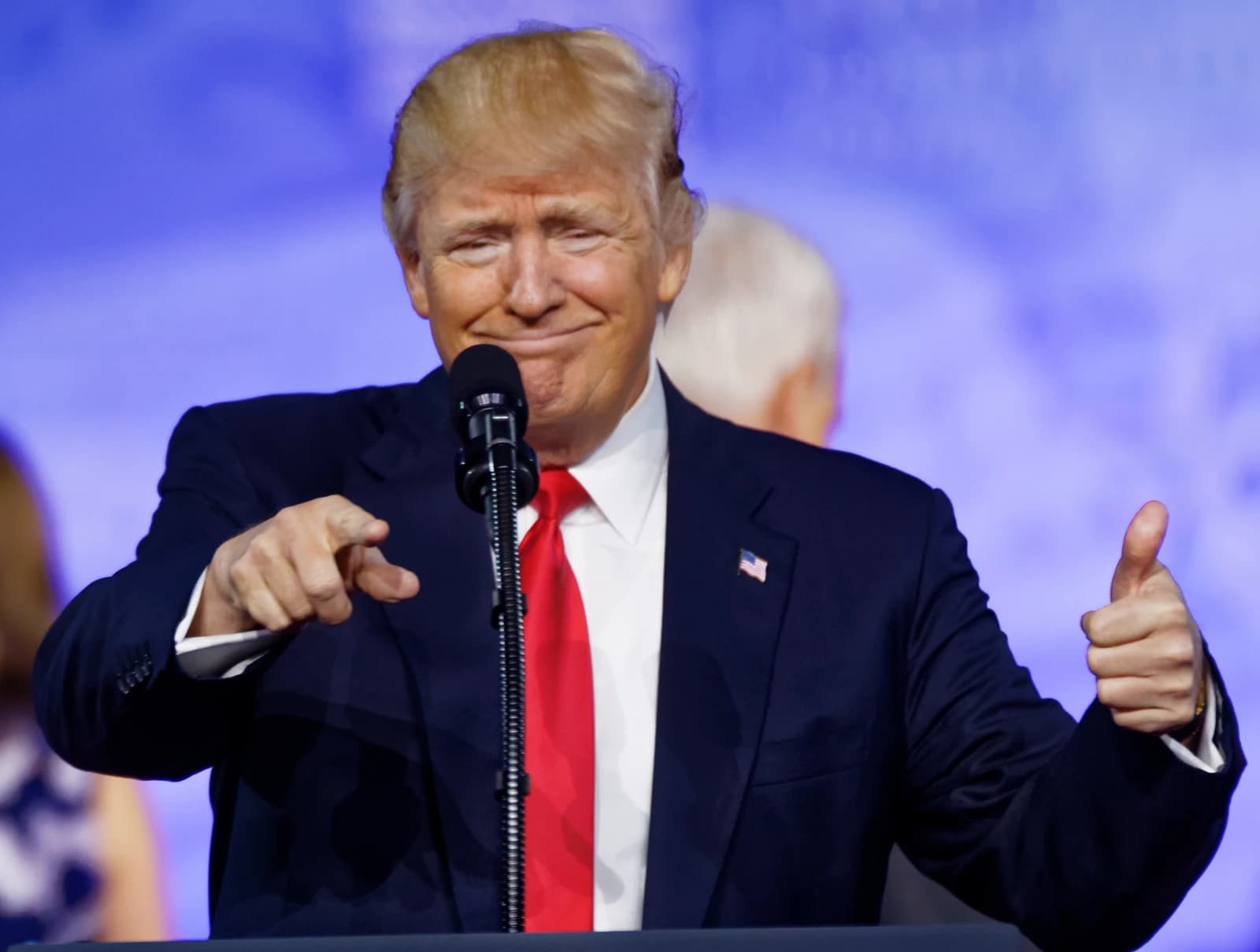
Republicans are heading into the midterms with a new and economically important problem: the Trump brand is no longer an automatic asset for every GOP candidate, and in some races it is becoming a liability. That shift matters because it can reshape control of Congress, alter the odds of fiscal policy changes, and force investors to price a less predictable legislative path on taxes, spending, tariffs and foreign policy.
Republicans Distance Themselves From Trump in Midterms
The clearest signal is that more GOP candidates are trying to separate themselves from Trump even as the former president remains the party’s dominant figure. The strategy reflects fear of losing swing voters and a recognition that loyalty tests can hurt in competitive districts and states. For investors, that means Republican candidates may campaign less as a unified bloc and more as local brands trying to outrun national polarization.
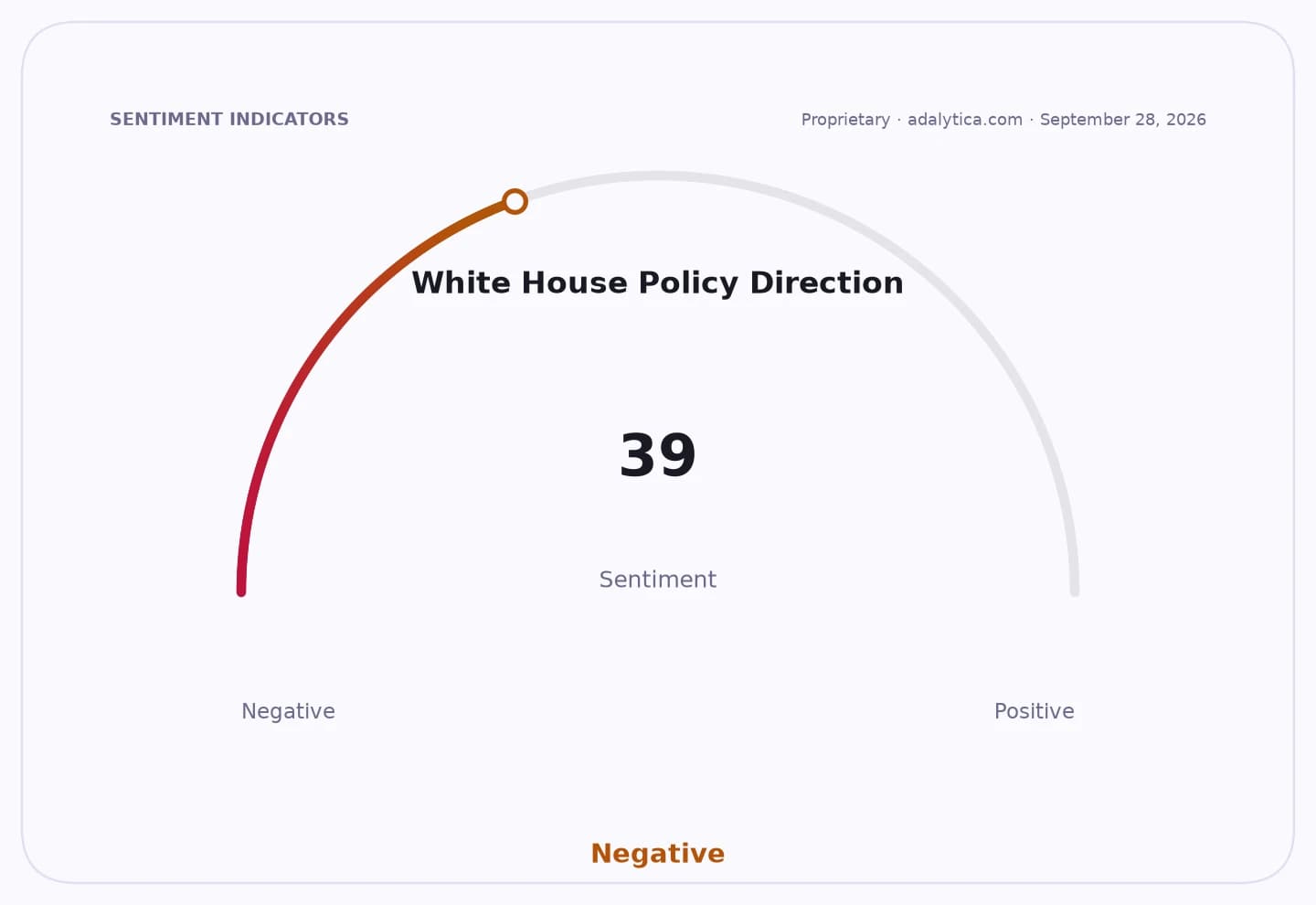
Sentiment IndicatorsⓘProprietary · adalytica.com · September 27, 2026
This is a snapshot — live sentiment, awareness and momentum for 130+ markets update continuously in the dashboard.Open AlphaPulse
The tension was on display in the Senate’s rejection of a resolution to curb Trump’s war powers on Iran, where some Republicans broke ranks but not enough to change the outcome. That split underscores the broader political risk: even when the GOP remains institutionally aligned with Trump, the party’s candidates are increasingly calculating that his influence can complicate their path to victory. The result is a less coherent policy agenda and a higher chance of post-election gridlock.
That matters economically because divided government tends to slow sweeping fiscal or regulatory shifts, while a more Trump-centric GOP could bring sharper policy swings on trade, defense, energy and immigration. If Republicans win seats but remain fractured internally, investors may get neither clean legislative control nor full policy clarity. That is a setup the market often misprices until the last minute, especially in sectors tied to Washington outcomes.
The immediate investment implication is not about a single stock, but about positioning for volatility around the election and the policy agenda that follows. Defense contractors, energy producers and tariff-exposed industrials can all be repriced quickly depending on whether Republican candidates move closer to or farther from Trump’s foreign-policy and economic posture. At the same time, sectors that benefit from legislative stalemate — from large-cap growth to rate-sensitive equities that prefer policy continuity — may look more attractive if the GOP’s internal divisions limit action in Washington.
This is the kind of political fracture investors should watch early, not after the ballots are counted. If more Republican candidates keep distancing themselves from Trump, the market may be underestimating how much weaker the party’s governing mandate could be, even in victory. The trade is to favor businesses that benefit from policy uncertainty and to stay selective on names that depend on a clean Republican sweep and a rapid shift in federal priorities.
| Entity | Gains | Losses |
|---|---|---|
| GOP moderates | ▲Broader suburban appeal | ▼Trump loyalty pressure |
| Trump-aligned candidates | ▲Base enthusiasm | ▼General-election competitiveness |
| Investors favoring gridlock | ▲Policy continuity | ▼Legislative certainty trade |
| Defense and energy sectors | ▲Policy-swing optionality | ▼Clear direction from Washington |