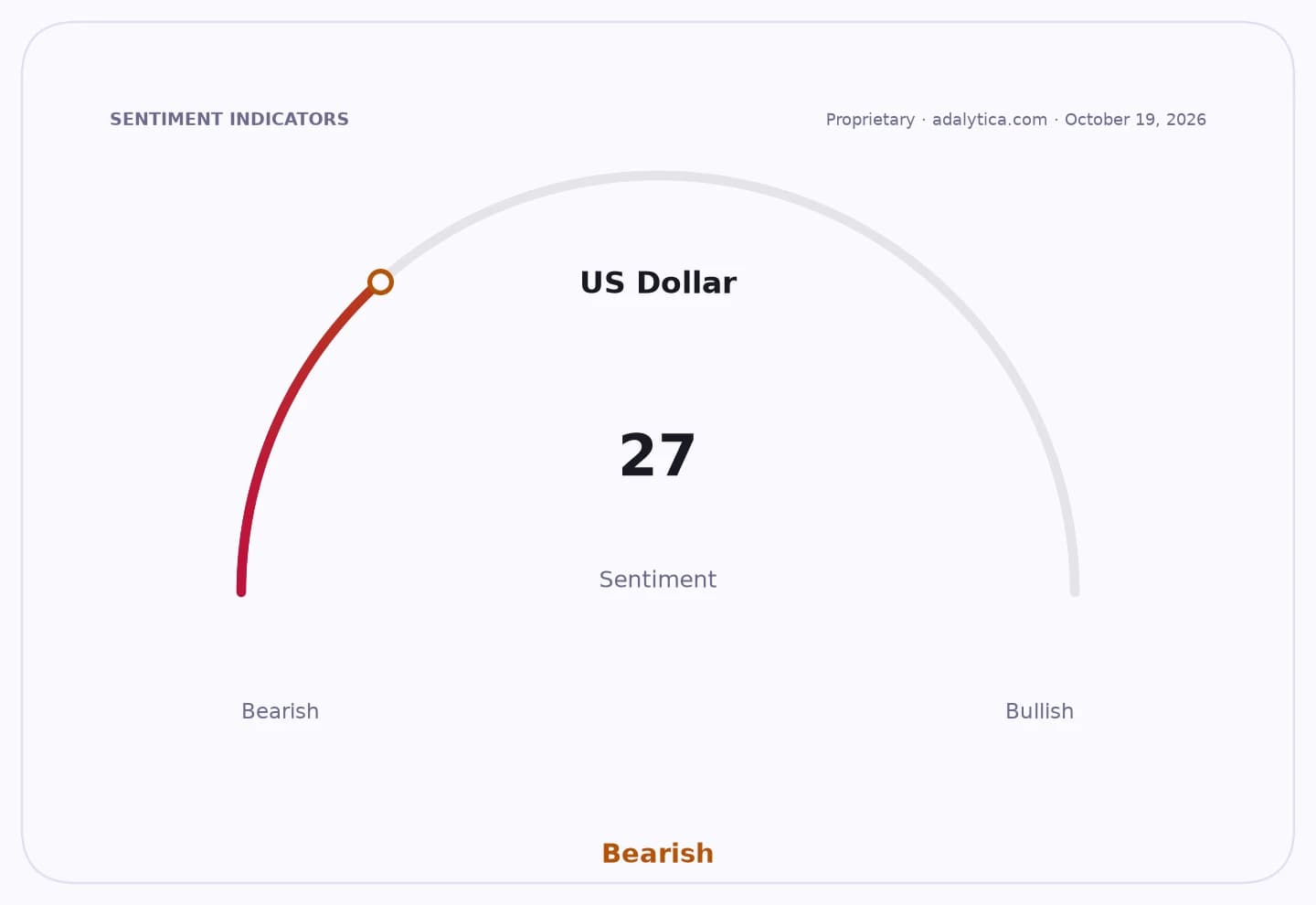
The ringgit opened slightly firmer against the US dollar on Wednesday, but the real story for investors is not the tiny move itself — it is the continued easing in the greenback that could give Malaysia’s currency room to stabilize after a period of caution.
Ringgit Opens Firmer as Dollar Index Slips
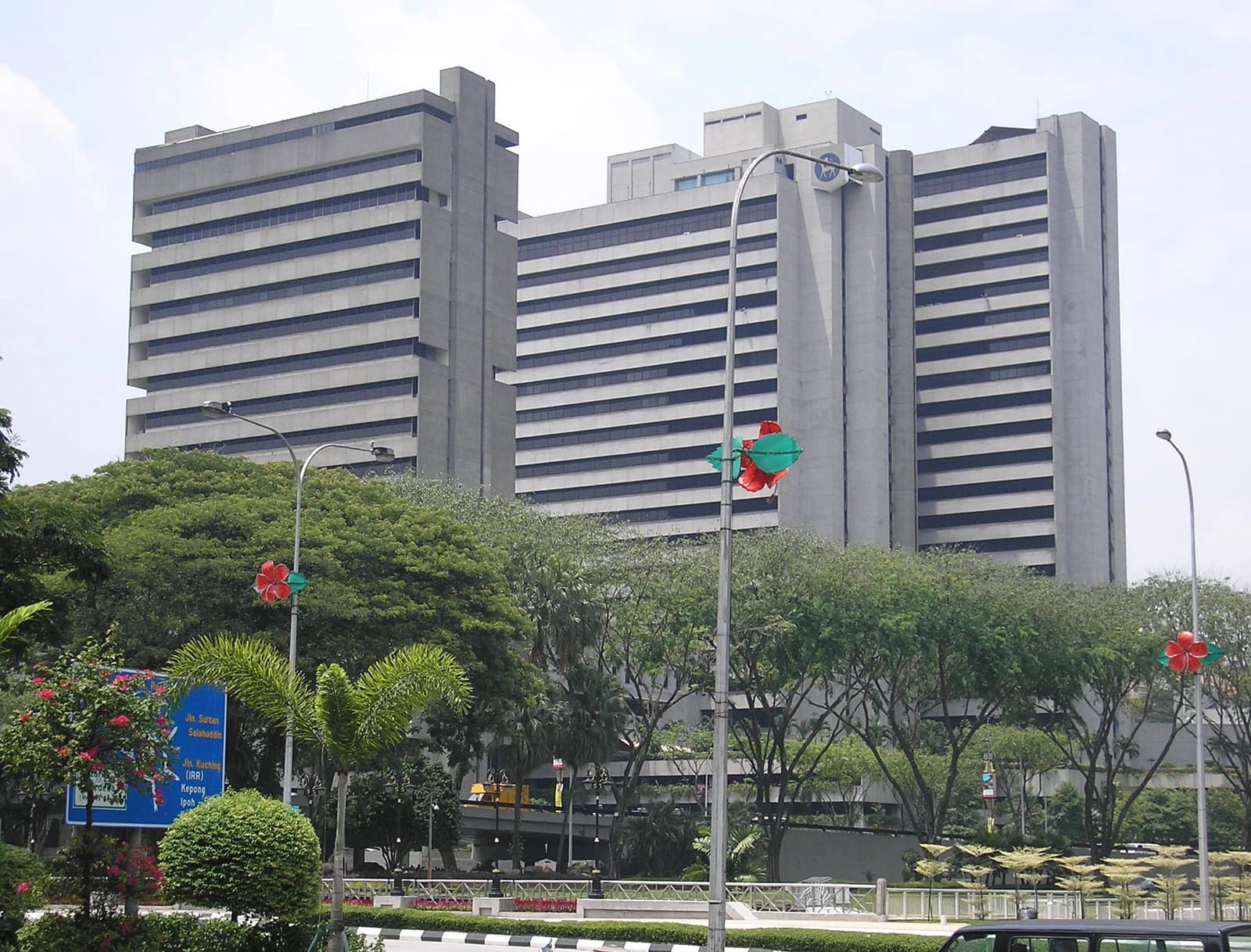
At 8 a.m., the ringgit was quoted at 4.0830/4.0880 versus the dollar, a touch stronger than Tuesday’s 4.0835/4.0880 close. That may look modest, but in currency markets, direction often matters more than size, and the ringgit’s gain came as the US dollar index slipped 0.40% to 102.810.
Sentiment IndicatorsⓘProprietary · adalytica.com · October 14, 2026
This is a snapshot — live sentiment, awareness and momentum for 130+ markets update continuously in the dashboard.Open AlphaPulse
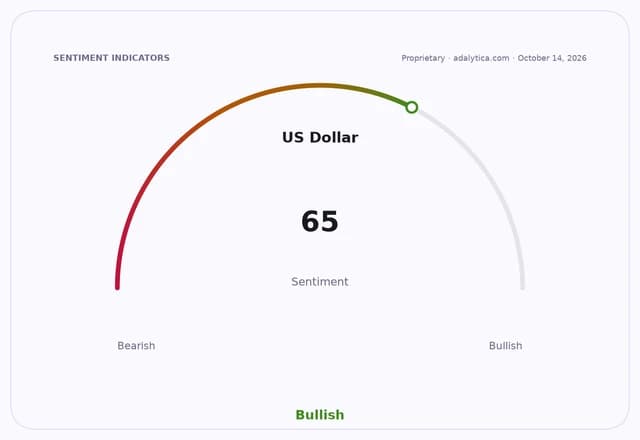
The driver was a softer view on the US interest-rate path after New York Fed President John Williams said the Fed funds rate may not need to be raised in 2027, suggesting inflation should drift back toward the Fed’s 2% target and that the US economy does not look overheated enough to justify aggressive tightening. For Malaysia, that matters because a weaker dollar can ease imported inflation pressures and support risk appetite for emerging-market currencies, including the ringgit.
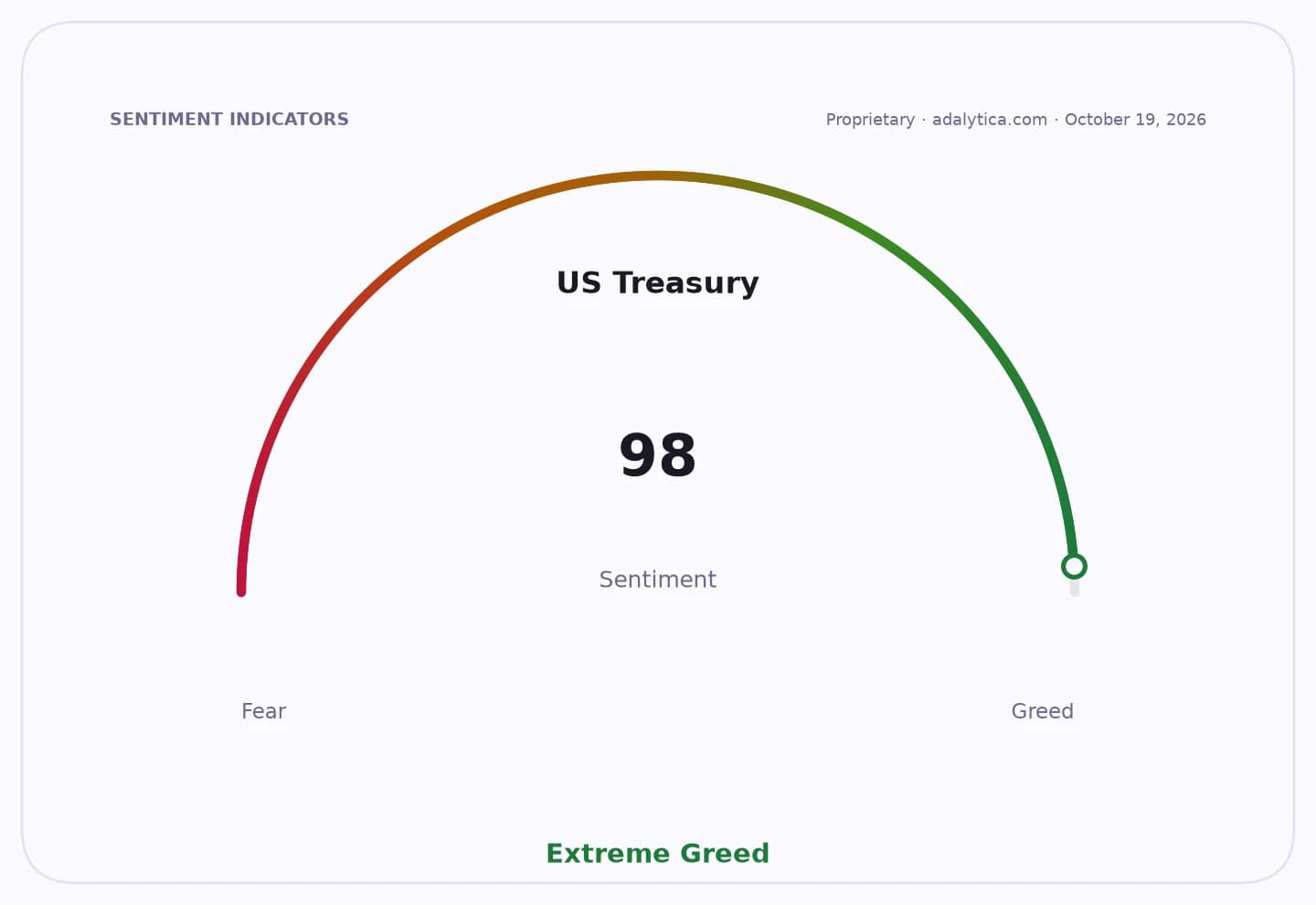
That said, this is still a market that is trading cautiously, not celebrating. Bank Muamalat Malaysia chief economist Afzanizam Rashid said the ringgit could benefit if US inflation data confirm the slowdown narrative, but he also expects the dollar-ringgit pair to remain trapped in a narrow RM4.07 to RM4.09 range for now. Consensus estimates point to US consumer prices rising 3.6% in September from 3.4% previously, which means the next inflation print could quickly reset expectations for Treasury yields and the dollar.

The broader message for investors is that foreign-exchange moves are often a reflection of relative growth and rate expectations, not just local fundamentals. If the dollar continues to soften, Malaysia’s currency could get a useful tailwind, particularly against a backdrop of calmer global rate expectations and better risk sentiment. But if US inflation comes in hotter than expected, that relief could fade just as quickly.
The ringgit was mixed against other major and regional currencies at the open. It strengthened versus the Japanese yen, but slipped against the British pound and euro. Against Asean peers, it gained on the Thai baht, was little changed versus the Indonesian rupiah and Philippine peso, and edged down against the Singapore dollar.
For long-term investors, the takeaway is simple: this is less about chasing a one-day currency bounce and more about watching whether the dollar’s recent pullback turns into a durable trend. If it does, Malaysia’s currency and broader emerging-market assets could benefit. If not, the ringgit is likely to stay range-bound and sensitive to every new US inflation reading. Worth watching, but not a reason to make a big portfolio move on its own.
| Entity | Gains | Losses |
|---|---|---|
| Ringgit | ▲Softer dollar backdrop | ▼Limited upside near term |
| US Dollar | ▲Holds broader reserve appeal | ▼Weakens on lower rate expectations |
| Malaysian importers | ▲Lower dollar costs | ▼Less protection from volatility |
| Exporters | ▲Stable FX conditions | ▼Potentially firmer local currency |