Rio de Janeiro’s legislature has approved a sweeping debt renegotiation plan that could let taxpayers and companies settle overdue state debts with discounts of as much as 70%, a move designed to lift collections from a mountain of unpaid claims while easing pressure on cash-strapped households and businesses.
Rio de Janeiro approves debt renegotiation plan
That matters because the state is trying to do two things at once: pull in money it is unlikely to collect in full, and reduce the legal drag of thousands of tax disputes. For investors, the key takeaway is not the headline discount, but the signal that Brazil’s subnational governments are getting more aggressive about turning frozen receivables into near-term revenue.
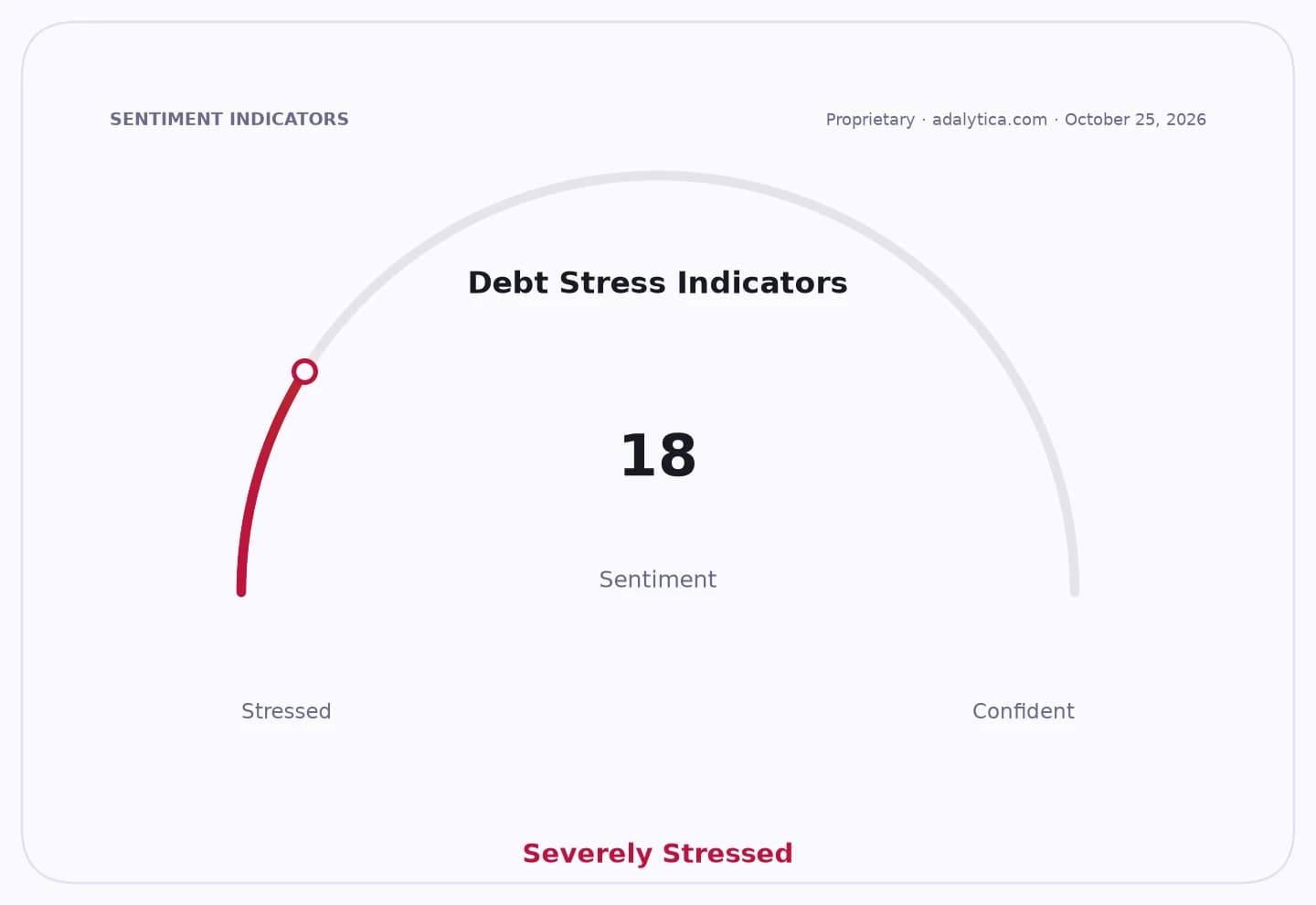
Sentiment IndicatorsⓘProprietary · adalytica.com · October 25, 2026
This is a snapshot — live sentiment, awareness and momentum for 130+ markets update continuously in the dashboard.Open AlphaPulse
The bill passed the Rio de Janeiro Legislative Assembly in a single vote and now heads to the governor, who has 15 business days to sign it. If enacted, the law would take effect 30 days after publication, though it still needs regulation before anyone can actually enroll. The state says the rules are meant to improve recovery of debts already in active collection, not to cut the original tax bill itself.
Under the plan, discounts would apply only to penalties, interest and legal add-ons tied to delinquent amounts. In the general case, taxpayers could receive reductions of up to 65% and repay over as long as 120 months. For individuals, micro and small businesses, and companies in judicial restructuring, liquidation or bankruptcy, the discount could rise to 70% and the repayment period stretch to 145 months.
That structure is important for the broader economy because it targets stress points in Brazil’s credit system. Rio’s tax authority said the state had 188.7 billion reais in active debt at the end of 2025, spanning both tax and non-tax claims. A significant share is considered difficult to recover, which is exactly the kind of balance sheet problem that leads governments to prefer negotiated settlements over expensive court action.
The new rules also broaden the toolkit. Debtors may use precatórios — court-recognized claims against the state — and accumulated ICMS tax credits to offset what they owe, within limits set for each tax. The bill would also allow the state to skip filing some collection lawsuits when the cost outweighs the likely recovery, relying instead on administrative collection, credit bureau registration and cartório protest notices.
For investors, that combination cuts both ways. On one hand, it can improve state cash flow and potentially support public spending without fresh borrowing. On the other, it underlines how strained public finances remain, especially in a high-rate environment where governments are forced to chase old debts rather than rely on robust organic revenue growth.
The law also tries to separate willing taxpayers from serial defaulters. Repeat ICMS defaulters would not get relief on charges, and the FECP surcharge is excluded from the deal. Miss a payment by more than 90 days and the agreement is canceled automatically, with a two-year ban on new renegotiation.
There is a political economy story here as well. Debt relief is popular when households are squeezed and firms are fighting for liquidity, but it also reduces the stigma of delinquency if used too often. That is why the law includes reporting requirements: the government must provide semiannual updates on the amount renegotiated, the discounts granted, compliance rates and the impact on revenue and litigation.
For long-term investors, the best way to read this is as another reminder that Brazil’s fiscal story is increasingly being shaped at the state level, not just in Brasília. Rio is not fixing its debt problem with this measure, but it may convert part of a stagnant asset — overdue receivables — into money that can actually be spent. That is worth watching for anyone exposed to Brazilian municipal and state credit, local banks, or companies with large tax liabilities in the state.
| Entity | Gains | Losses |
|---|---|---|
| State of Rio de Janeiro | ▲Short-term cash recovery | ▼Forgone penalties and interest |
| Households and small firms | ▲Lower debt burden | ▼Less leverage for repeat defaulters |
| State prosecutors and courts | ▲Fewer collection cases | ▼Less litigation revenue |
| Bondholders and creditors | ▲Better fiscal liquidity | ▼Reminder of weak public finances |