Ripple executives are downplaying the Senate’s failure to advance the CLARITY Act because they believe XRP’s biggest regulatory hurdle has already been cleared: the court ruling that said XRP is not a security. For investors, that matters because the real story is no longer about whether XRP can survive regulation, but whether a more mainstream market structure can now build around it.
Ripple Says XRP Is Clear After Court Ruling
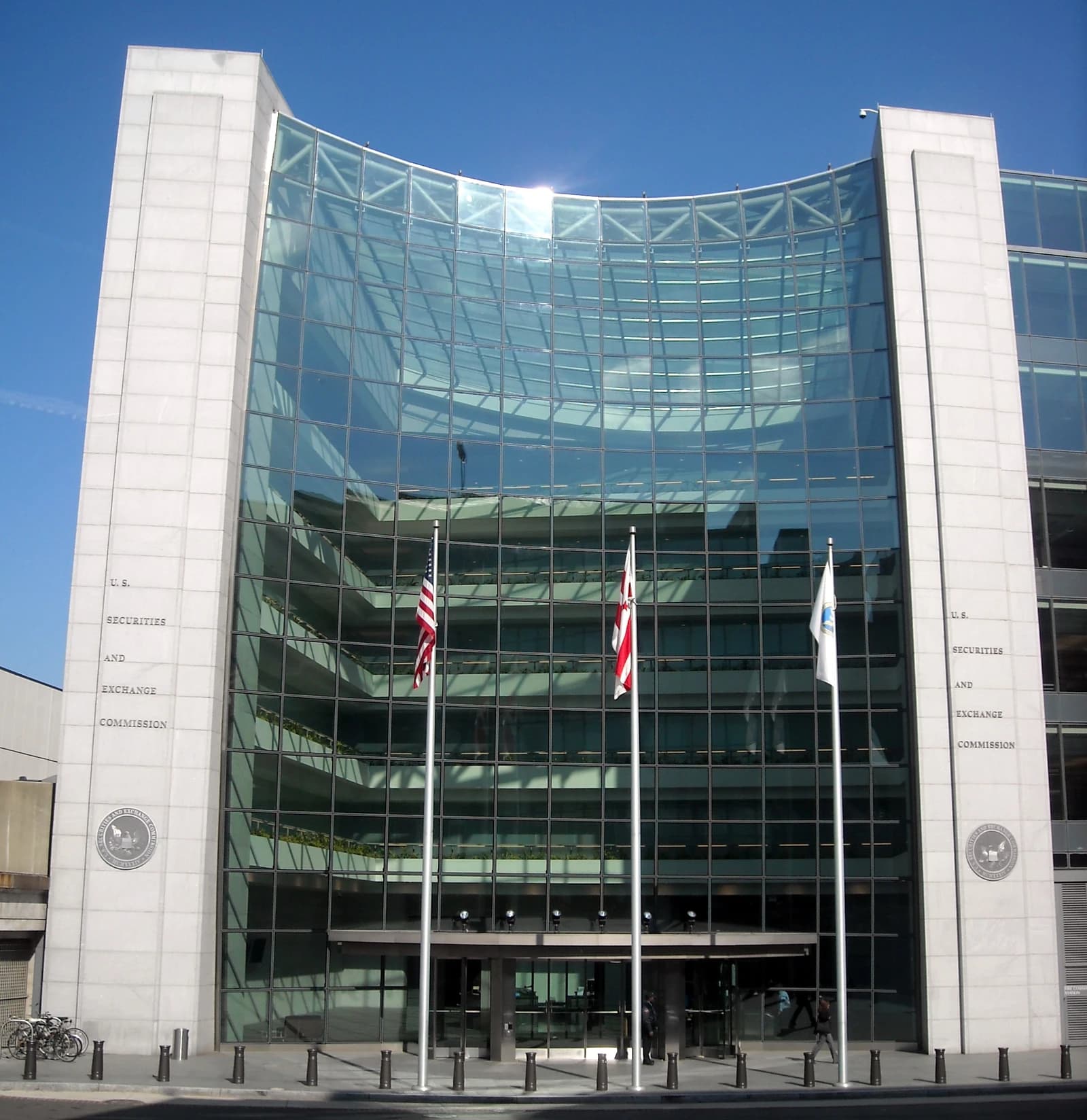
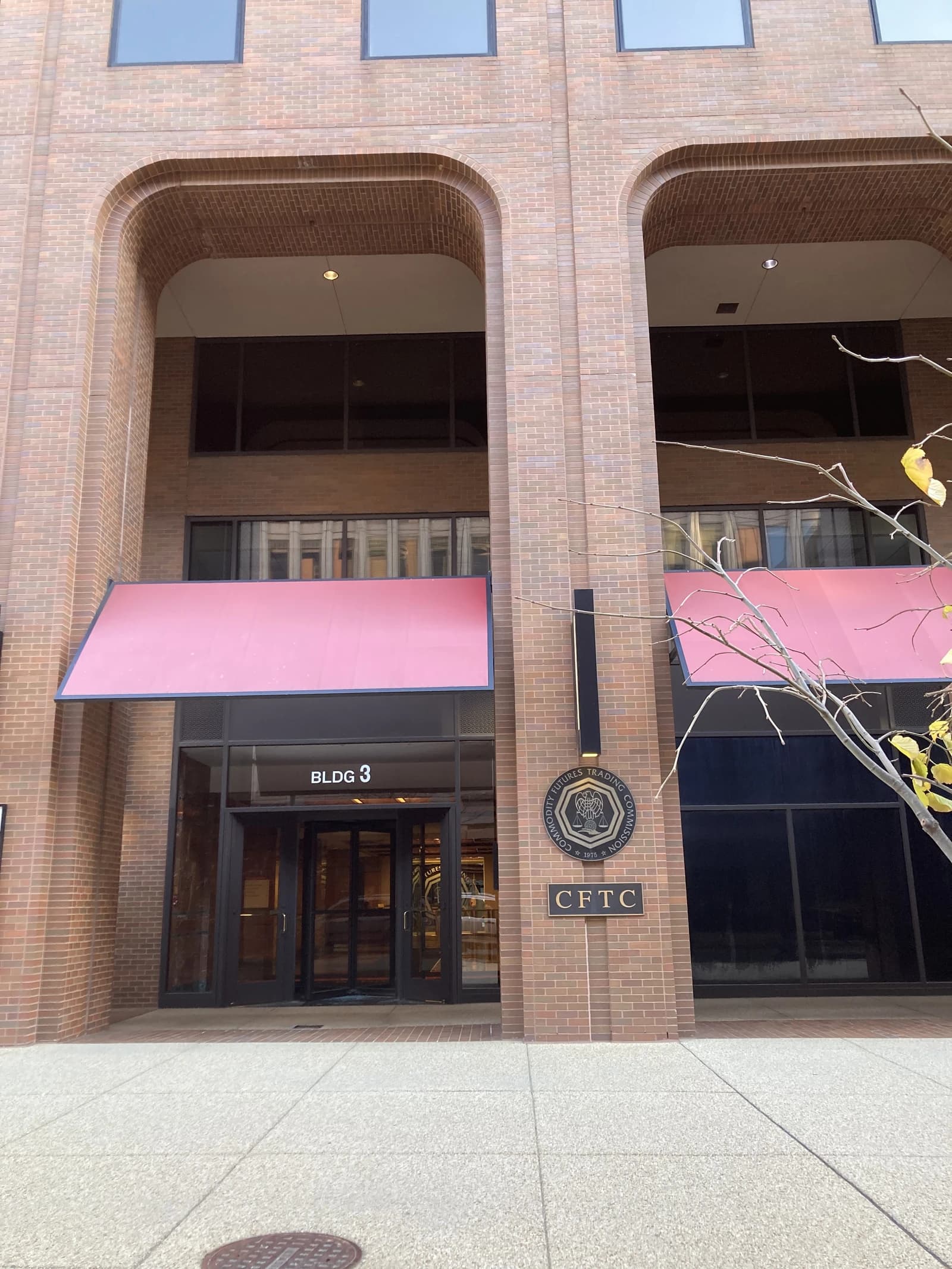
Chief executive Brad Garlinghouse used a Nasdaq event for Evernorth, a new XRP-focused treasury company, to argue that legal certainty is already in place and that “you can’t put the genie back in the bottle.” Chief legal officer Stu Alderoty took the same line, saying the SEC and CFTC are already filling the legislative gap through rulemaking and guidance. Former chief technology officer David Schwartz went further, saying the technology itself is no longer the bottleneck either.
That combination changes the investment case. Ripple is essentially arguing that the debate has shifted from survival to adoption. If that is right, the most important catalyst is not a new law in Washington, but the gradual deepening of real-world use cases for XRP — through lending, staking, liquidity provision and validator operations on the XRP Ledger. Evernorth, which launched with roughly 473 million XRP and about $300 million in gross cash, is meant to be one of those bridges.
For long-term investors, the significance is not that one bill failed. It is that the market is still getting institutional rails built around XRP anyway. Ripple’s executives are betting that passive products such as XRP ETFs, along with treasury-style vehicles like Evernorth, can do for the token what legal fights alone never could: make it easier for large investors to gain exposure, allocate capital and justify holding it on balance sheets.
The price action still shows a market that is far from convinced. XRP has fallen sharply from its early-year highs and, even after a small recent rebound, remains well below its 50-day moving average. Its relative strength index has been deeply oversold at times, which tells you sentiment has been weak even as the company narrative improves. Coinbase, a major bellwether for crypto trading activity, has also lost momentum, underscoring how quickly enthusiasm can cool across the sector when regulation and risk appetite turn uncertain.
Still, that may be exactly why the Ripple story matters over a multi-year horizon. Crypto adoption rarely advances in a straight line; it advances when legal uncertainty fades enough for institutions to experiment. Ripple is trying to turn that opening into a durable ecosystem, not just a legal victory lap. If institutions keep treating XRP as an asset with a settled enough framework to use, hold and build around, the CLARITY Act’s setback may prove far less important than the market’s slow but steady normalization.
For investors, the takeaway is simple: the policy battle is not over, but Ripple no longer seems dependent on Congress to keep its XRP thesis alive. That makes the token, and the companies building around it, worth watching as a long-term speculative bet rather than a short-term legislative trade.
| Entity | Gains | Losses |
|---|---|---|
| Ripple / Evernorth | ▲Regulatory narrative | ▼Legislative certainty |
| XRP holders | ▲Institutional access | ▼Short-term policy catalyst |
| SEC and CFTC | ▲More rulemaking relevance | ▼Pressure for new law |
| Skeptical traders | ▲Volatility opportunities | ▼Clear bull-case timing |