The Vannetais Imaging Network is investing €3.3 million in new equipment, a dedicated mammography site in Séné and artificial intelligence tools aimed at making breast cancer screening easier to book and more effective to interpret.
Riva invests €3.3 million in Séné mammography site
The move matters because breast cancer screening is only useful if it is both accessible and timely. In practice, that means reducing bottlenecks in appointment scheduling, increasing capacity for mammograms and improving the quality and consistency of detection. For the regional imaging group, which holds a dominant position across Vannes, Auray, Ploërmel and Muzillac, the investment is a bet that combining physical capacity with AI-assisted workflow can improve throughput in a service area where demand is steady and delays can carry clinical and economic costs.
The company’s plan to build out a new site in Séné is particularly relevant because mammography is a high-volume, recurring form of imaging tied to the French screening programme for women aged 50 to 74. That gives operators like Riva a relatively predictable stream of demand, but also exposes them to pressure to process studies efficiently and to support patients through the booking process. AI tools that help route appointments and support image detection can, if they work as intended, lower administrative friction and improve diagnostic consistency without requiring an equivalent rise in headcount.
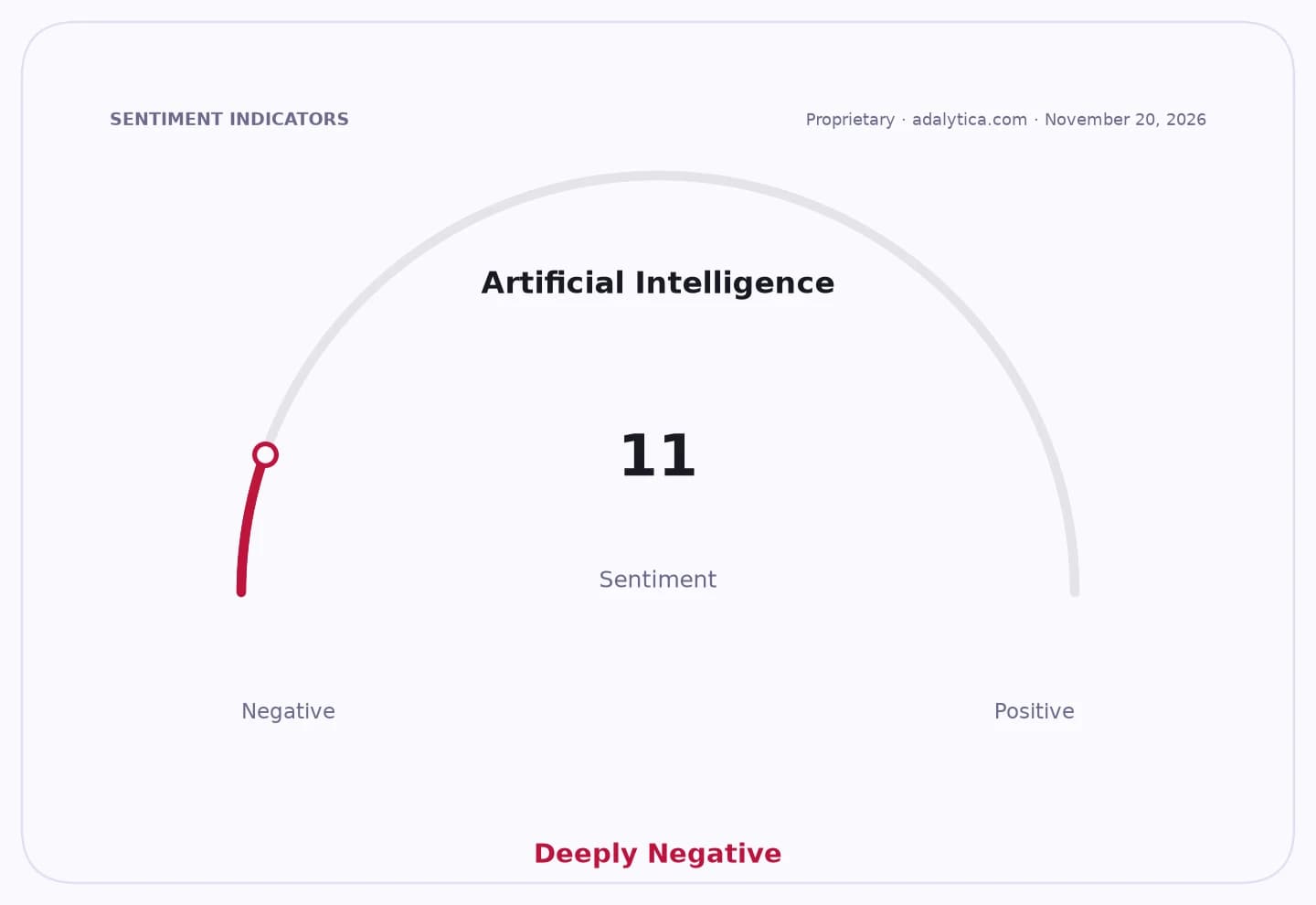
For investors and healthcare operators, the story sits at the intersection of digital health, imaging capacity and preventive care. The bull case is that AI can lift productivity in a capital-intensive business, allowing more studies per site and better utilisation of expensive equipment. The bear case is that the economics of AI in healthcare can be slower than advertised, with deployment costs, integration issues and regulatory scrutiny limiting near-term returns. In imaging, where clinical liability is high, any technology has to augment rather than replace radiologist judgment.
The broader significance is that regional healthcare providers are beginning to treat AI less as a standalone product than as an operating layer for core services. If Riva’s investment improves screening access and detection rates, it could become a template for other local imaging networks facing the same mix of ageing equipment, rising demand and pressure to deliver faster preventive care. The key question now is whether the new site and AI tools translate into measurable gains in appointment availability, scan volume and diagnostic efficiency over the next screening cycle.
| Entity | Gains | Losses |
|---|---|---|
| Riva / Vannetais Imaging Network | ▲Higher capacity, productivity | ▼Upfront capital burden |
| Patients eligible for screening | ▲Easier access, faster booking | ▼None if rollout succeeds |
| Radiologists and staff | ▲Better workflow support | ▼Adjustment to new systems |
| Rival imaging providers | ▲None | ▼Competitive pressure in the region |