Senegal’s 2027 health budget is drawing fire because its larger headline envelope masks a weaker ability to deliver medicines, staff care and protect mothers and newborns, deepening risks for patients and creating a political fight over how the state funds basic services.
Senegal 2027 Health Budget Faces Medicine Shortages
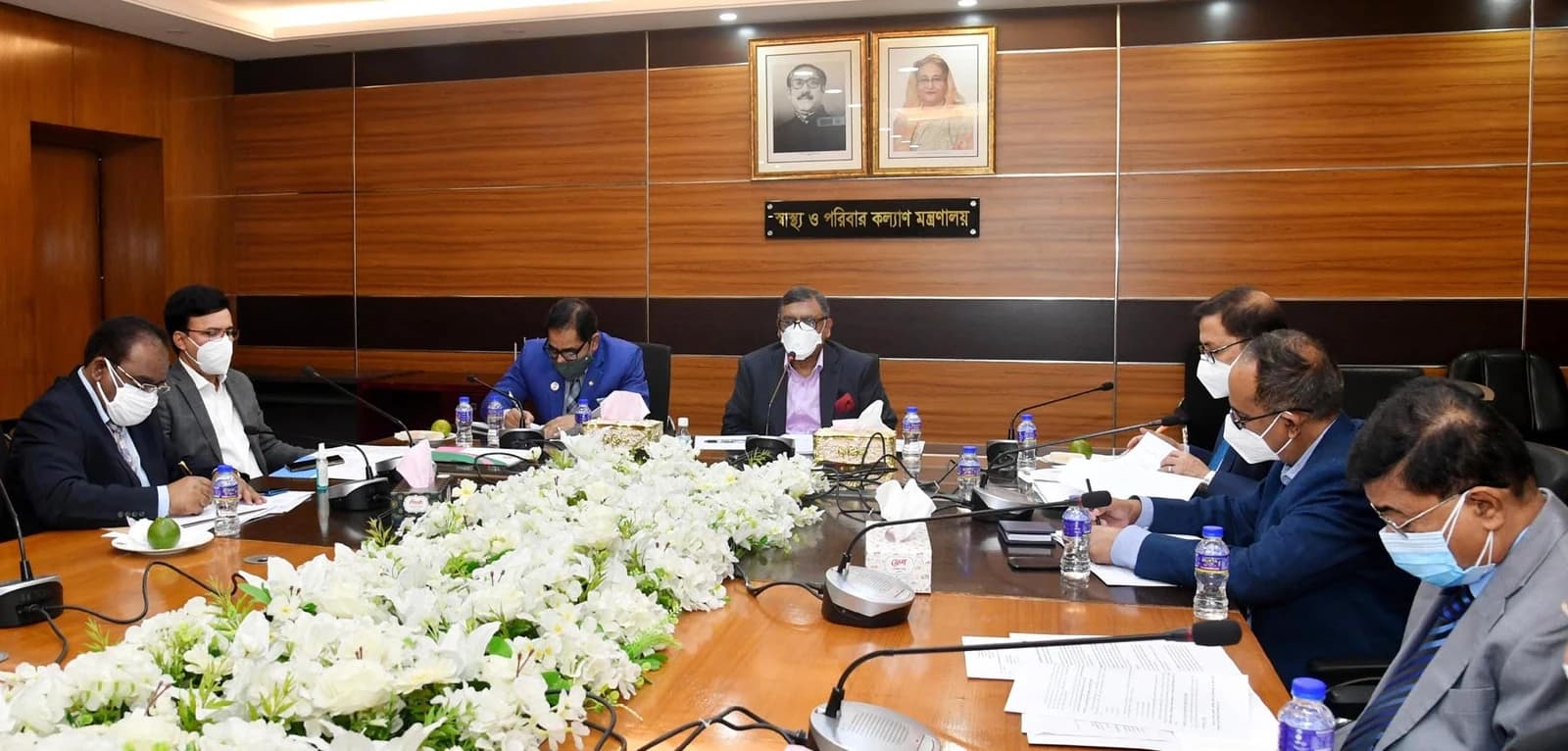
The ministry’s budget rises to 246.6 billion CFA francs from 217.2 billion francs in 2026, a 13.53% increase, but lawmakers rejected the proposal in committee after the spending mix showed a 7.8% drop in the availability of essential medicines and emergency products at public hospitals versus 2024.
Sentiment Indicators
That matters economically because medicine shortages and thinner frontline funding raise the cost of care, force patients into private purchases and weaken the productivity of the health system. The report says stockouts hit infusion solutions, antibiotics, anesthetics, anti-inflammatories and painkillers, a sign that procurement and logistics remain fragile even as the nominal budget rises.
The budget also shifts money away from direct care. The “quality care” program falls 8.95% to 122.8 billion francs from 134.9 billion francs, while administrative coordination jumps to nearly 99 billion francs from 58.3 billion francs, largely due to a transfer of payroll spending from health facilities and districts into administration.
For investors and operators in healthcare, the message is that higher spending on paper does not automatically translate into stronger demand, better service delivery or lower default risk in the system. When governments lean more on administration and fail to renew external aid, providers, suppliers and development partners face a weaker funding mix and more execution risk.
The public-health indicators underline the strain. Only 27% of pregnant women received at least four quality prenatal visits in 2025, far below the 46% target, while newborn resuscitation slipped to 92% from 95% a year earlier and missed the 94.4% goal. Vaccination against measles and rubella improved to 87% from 63.16%, but still fell short of the 95% threshold.
The ministry says it will open a diabetes and hypertension clinic at Touba health center, but the broader challenge is whether the government can turn the budget into medicines on shelves, better maternal care and more reliable treatment in public hospitals. The omission of 2027 financing from Belgium and the Global Fund for maternal health, malaria and endemic diseases adds another funding hole that could leave the sector more exposed next year.
| Entity | Gains | Losses |
|---|---|---|
| Public hospitals | ▲Bigger nominal budget | ▼Fewer medicines on hand |
| Patients | ▲Planned clinic projects | ▼Higher out-of-pocket purchases |
| Ministry of Health | ▲Larger headline allocation | ▼Credibility after committee rejection |
| External donors | ▲Continued policy relevance | ▼Replaced funding leverage |