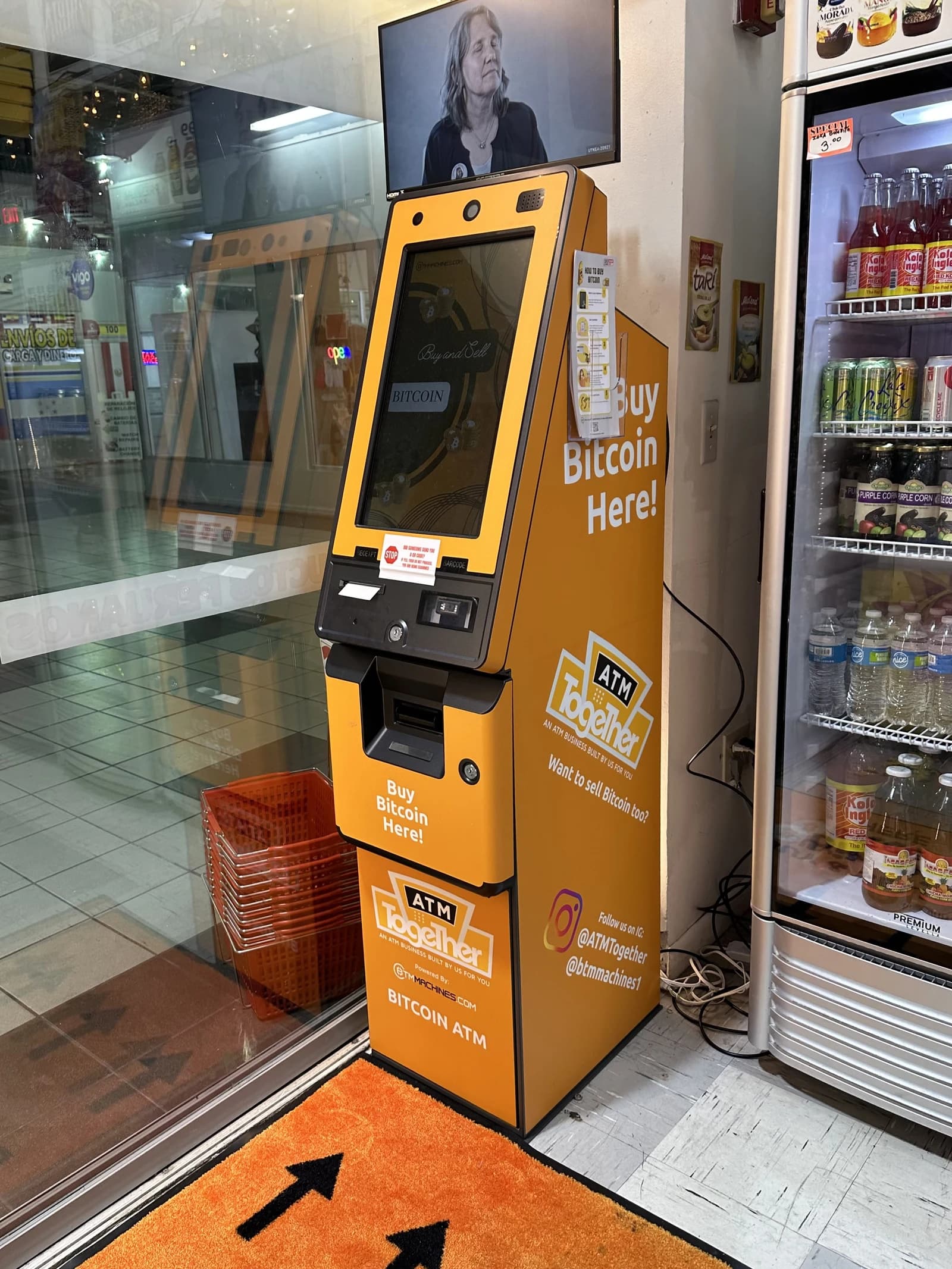
Robinhood Markets tumbled after Bitcoin slipped below $75,000 in the wake of the U.S. election outcome, underscoring how quickly the brokerage’s crypto-heavy growth story can be hit when digital assets lose momentum.
Robinhood Falls as Bitcoin Drops Below $75,000

That matters because Robinhood is no longer just a meme-stock and options venue. Crypto is one of the clearest drivers of customer engagement, trading volume and transaction revenue, so a sharp drop in Bitcoin can ripple straight through its earnings power. Robinhood shares fell to $83.32 on Monday, down from $101.93 on Oct. 21, leaving the stock more than 18% lower in just a few weeks. The decline came even as the company still traded well above its 200-day moving average of $91.87, a sign that the market is re-rating the stock rather than abandoning the business outright.
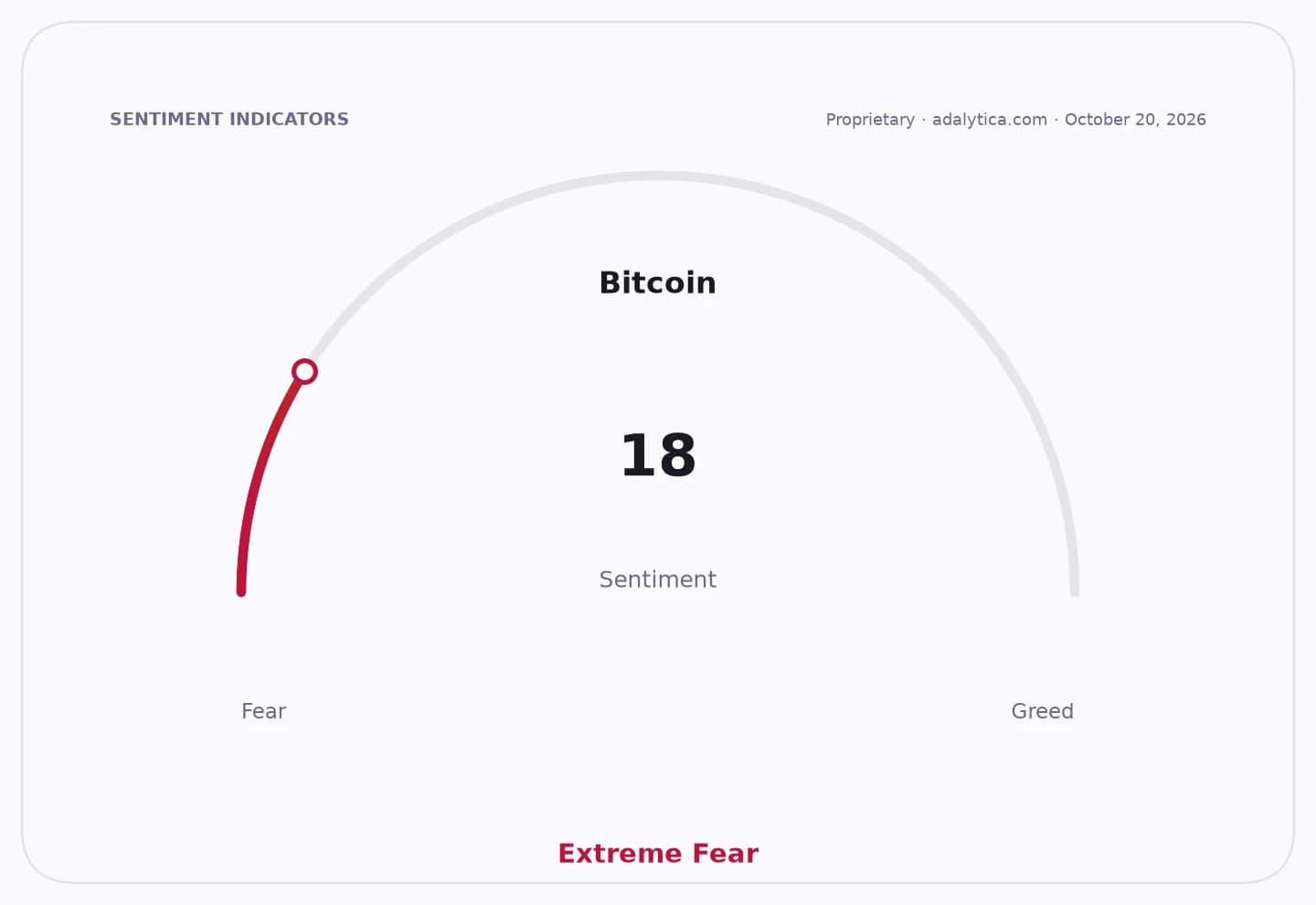
Sentiment Indicators
Bitcoin
Bitcoin’s slide is the real macro story here. The token dropped to $74,284.20 in the latest reading, extending a pullback from above $80,000 earlier in the month. Adalytica’s Bitcoin Fear & Greed Index sat at 28, a “Fear” reading, even after improving over the past week. That combination — weaker price action and cautious sentiment — is exactly the kind of backdrop that tends to cool trading activity on retail platforms.
Investors should care because Robinhood’s valuation still depends on more than just account growth. It depends on whether users keep trading. The company’s own filings have warned that cryptocurrency prices are highly volatile and that swings can materially affect trading volumes and operating results. When Bitcoin weakens, Robinhood usually feels it in both crypto commissions and broader customer activity, which can pressure near-term revenue even if the long-term platform story remains intact.
The move also matters for Coinbase, which has even more direct exposure to crypto market activity. Coinbase shares slipped to $136.10 on Nov. 9 from $183.81 on Oct. 15, reflecting the same basic trade: when crypto cools, the exchanges and brokerages built around it cool with it. At the same time, the broader market has not collapsed — Adalytica’s S&P 500 trade signals still show “Extreme Greed” on awareness — which suggests this is less a systemwide risk-off episode than a sector-specific hit to crypto-linked names.
For long-term investors, the takeaway is simple: Robinhood remains a powerful consumer-finance platform, but its near-term earnings can still swing with Bitcoin’s mood. If you believe digital assets and retail participation are durable secular trends, weakness like this is worth watching rather than fearing. If you own the stock, the key question is whether you are buying a trading spike or a compounding business. The answer may determine whether Robinhood belongs in a short-term basket — or a patient, diversified portfolio for the next several years.
| Entity | Gains | Losses |
|---|---|---|
| Bitcoin buyers | ▲Lower entry price | ▼Recent momentum |
| Robinhood users who trade crypto | ▲Potential future rebound setup | ▼Near-term platform excitement |
| Robinhood Markets | ▲Possible long-term accumulation opportunity | ▼Transaction revenue pressure |
| Coinbase and crypto brokers | ▲None immediate | ▼Softer trading volumes |