Romania’s finance minister has pushed back against speculation that the state can find hidden resources to close its budget gap, a message that matters because the country is still running the European Union’s largest deficit and faces a harder fiscal adjustment from here.
Romania finance minister denies hidden budget funds
Alexandru Nazare said there is no “secret chest” of money at the finance ministry and that the budget can only be balanced through the usual channels: taxes, dividends from state companies, EU funds and borrowing. His comments come as Bucharest tries to reassure markets and Brussels that it can continue trimming a deficit that remains well above peers even after some improvement this year.
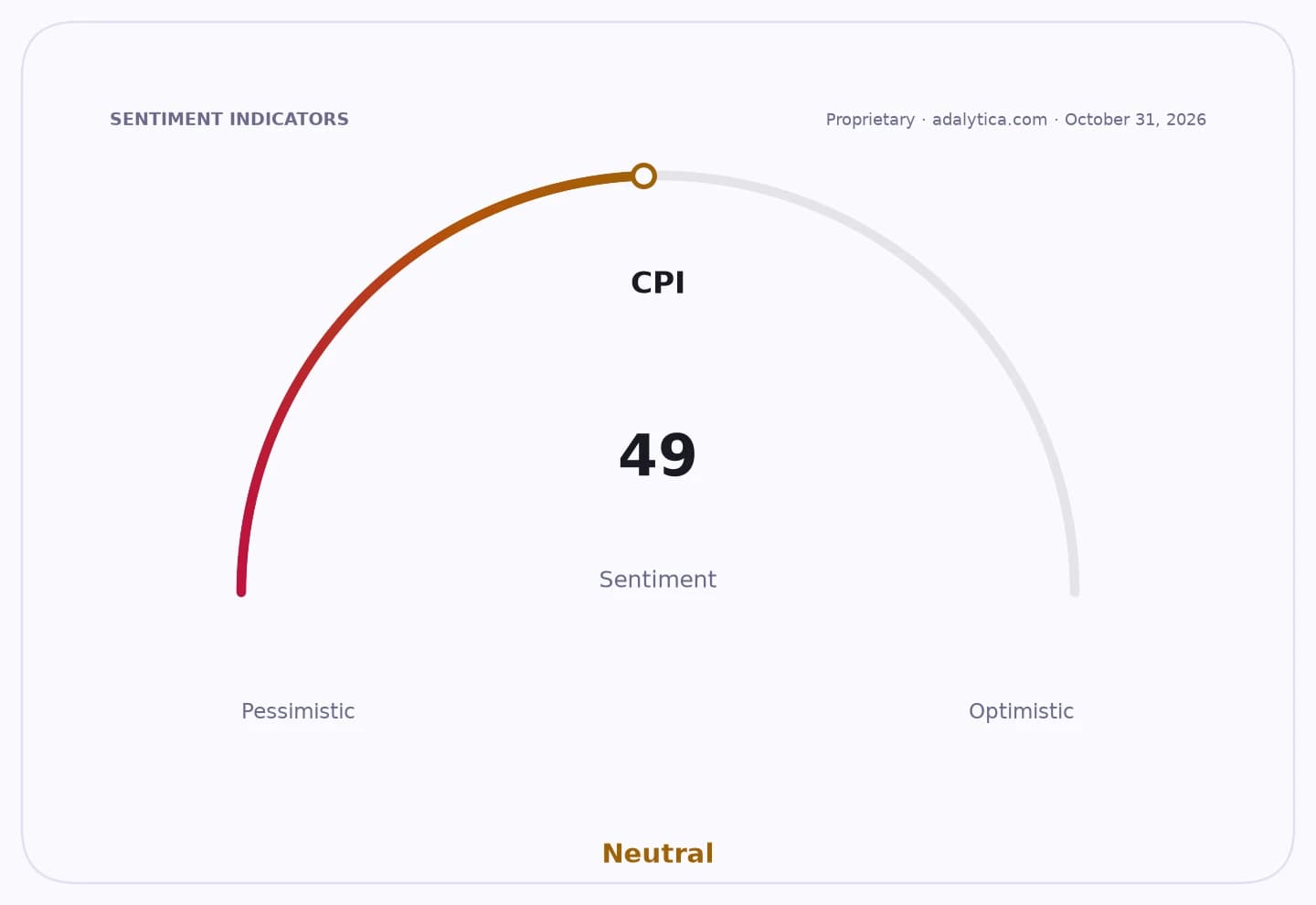
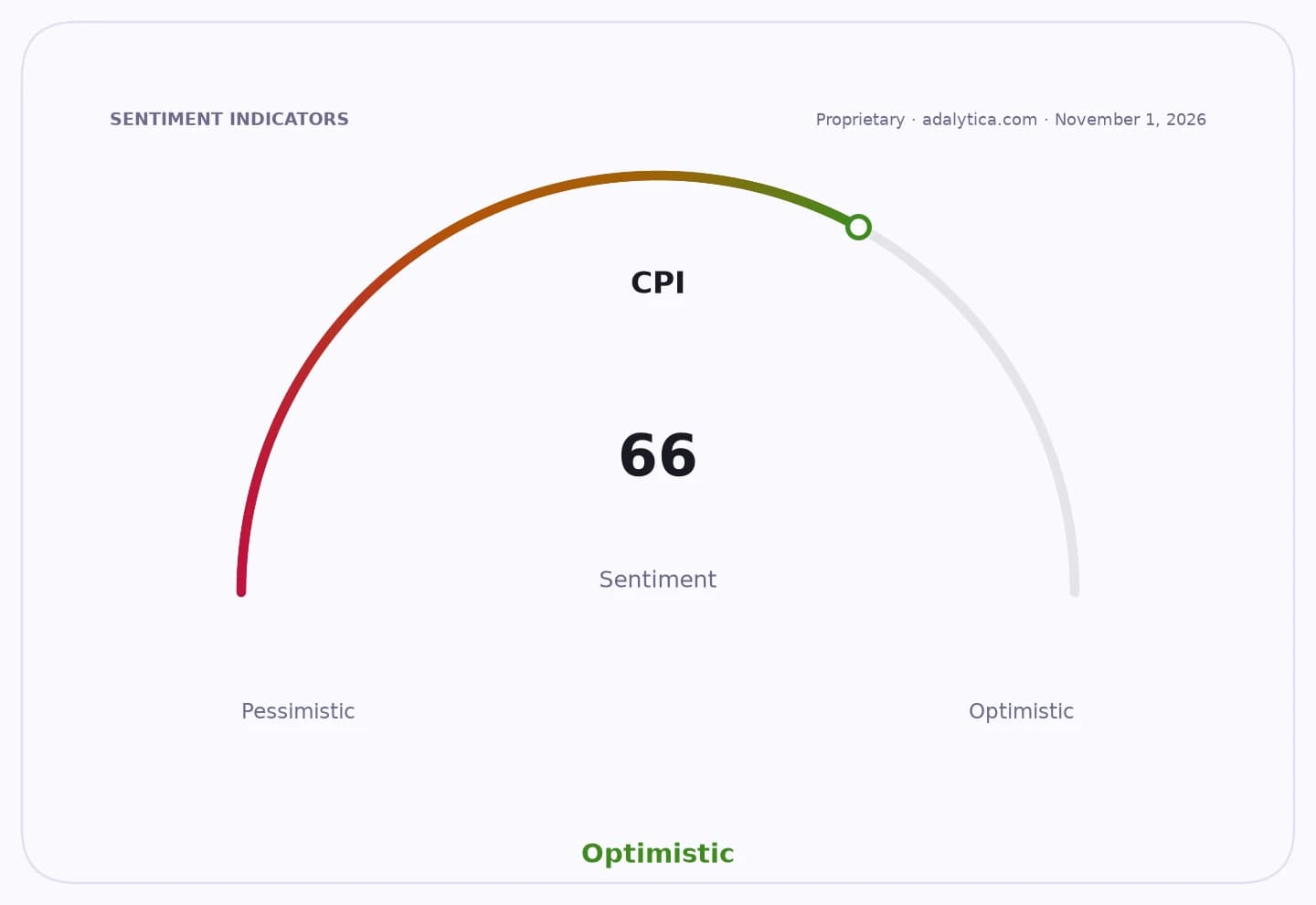
Sentiment Indicators
Nazare said the cash deficit stood at 3.8% of GDP in September, down from 5.5% a year earlier, while the official ESA deficit for 2025 was 7.8%, not 7.9%, according to Eurostat data. He stressed that quarterly ESA readings should not be confused with the annual figure, arguing that such misreading “induces panic” at a time when Romania is already under pressure to show progress in the EU’s excessive deficit procedure.
The minister’s main defence is that 2026 was an atypical year because the budget was built around the Recovery and Resilience Facility, forcing a concentration of investment spending in the second and third quarters to meet PNRR deadlines and pay contractors on time. That has helped channel fiscal space toward EU-backed projects but reduced room for domestic capital spending, exposing how narrow Romania’s budget margins remain.
Economically, the message is that Bucharest cannot rely on one-off revenue or accounting manoeuvres to meet its targets. Investors will read that as a sign the adjustment path is still structural, not cosmetic: Romania must keep spending under tighter control while preserving enough growth and investment to avoid a sharper slowdown. Nazare said the country is halfway through the consolidation effort, falling from a deficit of about 9.2%-9.3% toward 6%, but he also warned that getting from 6% to 3% will be harder.
That is the critical point for bondholders and FX investors. Romania still combines a large fiscal deficit with high inflation and a twin-deficit profile, a mix that leaves it vulnerable if growth disappoints or financing conditions tighten. The government’s ability to secure Brussels’ confidence, manage borrowing costs and avoid further slippage will depend on whether spending restraint and revenue collection improve in tandem.
For markets, the near-term test is execution. Any sign that quarterly data are being mistaken for the annual ESA picture could unsettle sentiment, but so could a failure to sustain the cash deficit correction already visible in the monthly numbers. For now, Nazare is trying to reset expectations: there is no hidden fiscal cushion, only a long and politically costly consolidation process.
| Entity | Gains | Losses |
|---|---|---|
| Romanian government | ▲Credibility on fiscal realism | ▼Room for spending flexibility |
| Bond investors | ▲Clearer deficit messaging | ▼Hope for quick fixes |
| Brussels / EU fiscal watchdogs | ▲More disciplined tone | ▼Less tolerance for slippage |
| Domestic ministries / spending programs | ▲PNRR-backed funding priority | ▼Non-PNRR capital budgets |