Romania’s housing market is slowing, but not breaking, and that is the key investment signal: fewer apartments are changing hands even as prices keep climbing because supply remains too thin to force a correction.
Romania Housing Market Slows as Prices Keep Rising
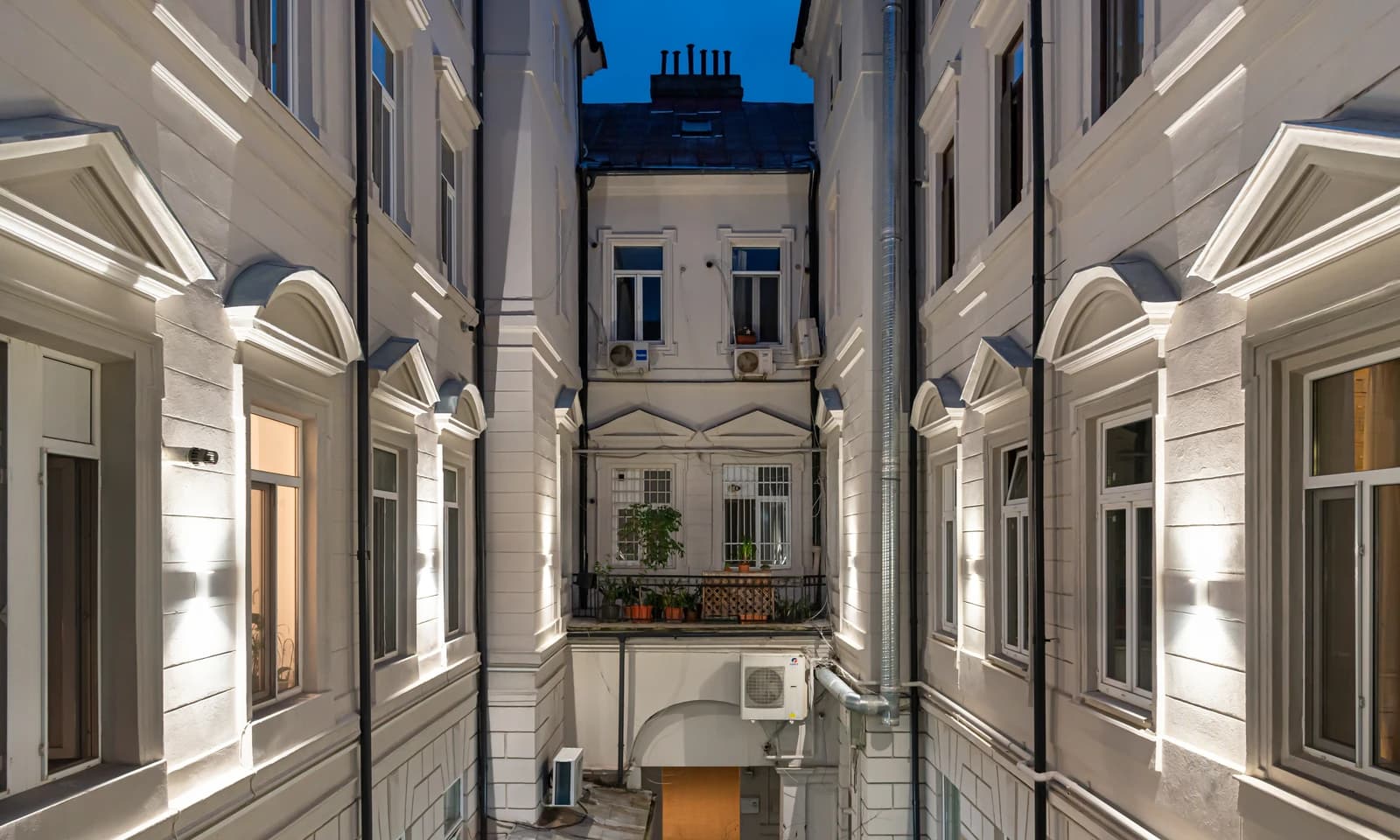
That matters economically because housing is one of the clearest real-time gauges of domestic demand, household confidence and financing conditions. With inflation still elevated, borrowing costs high and budgets under pressure, buyers are becoming more selective. Yet the market is not seeing the kind of broad-based price retreat that usually follows a demand slump, because developers have been cautious, approvals have been constrained and new stock has lagged demand for years.
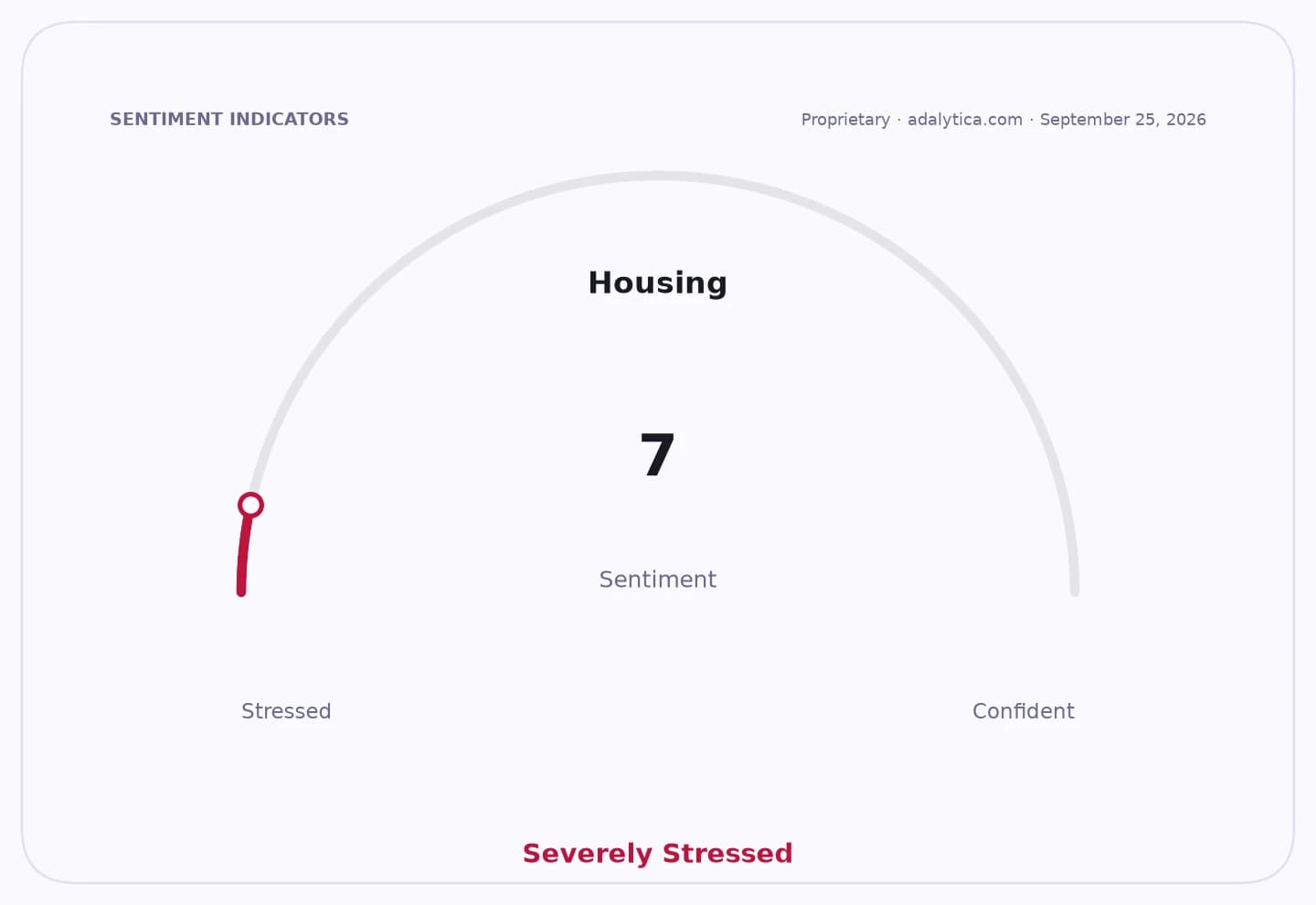
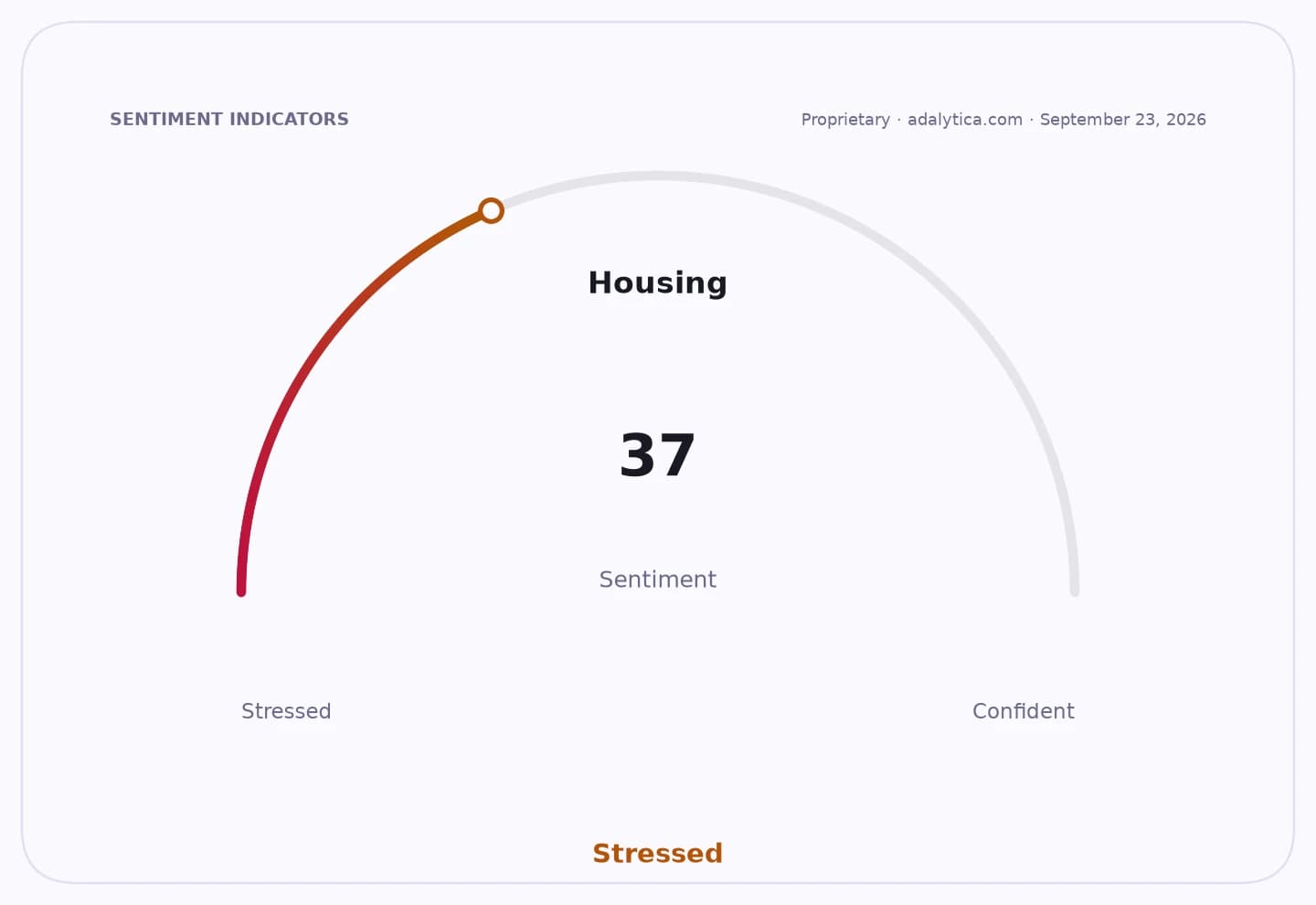
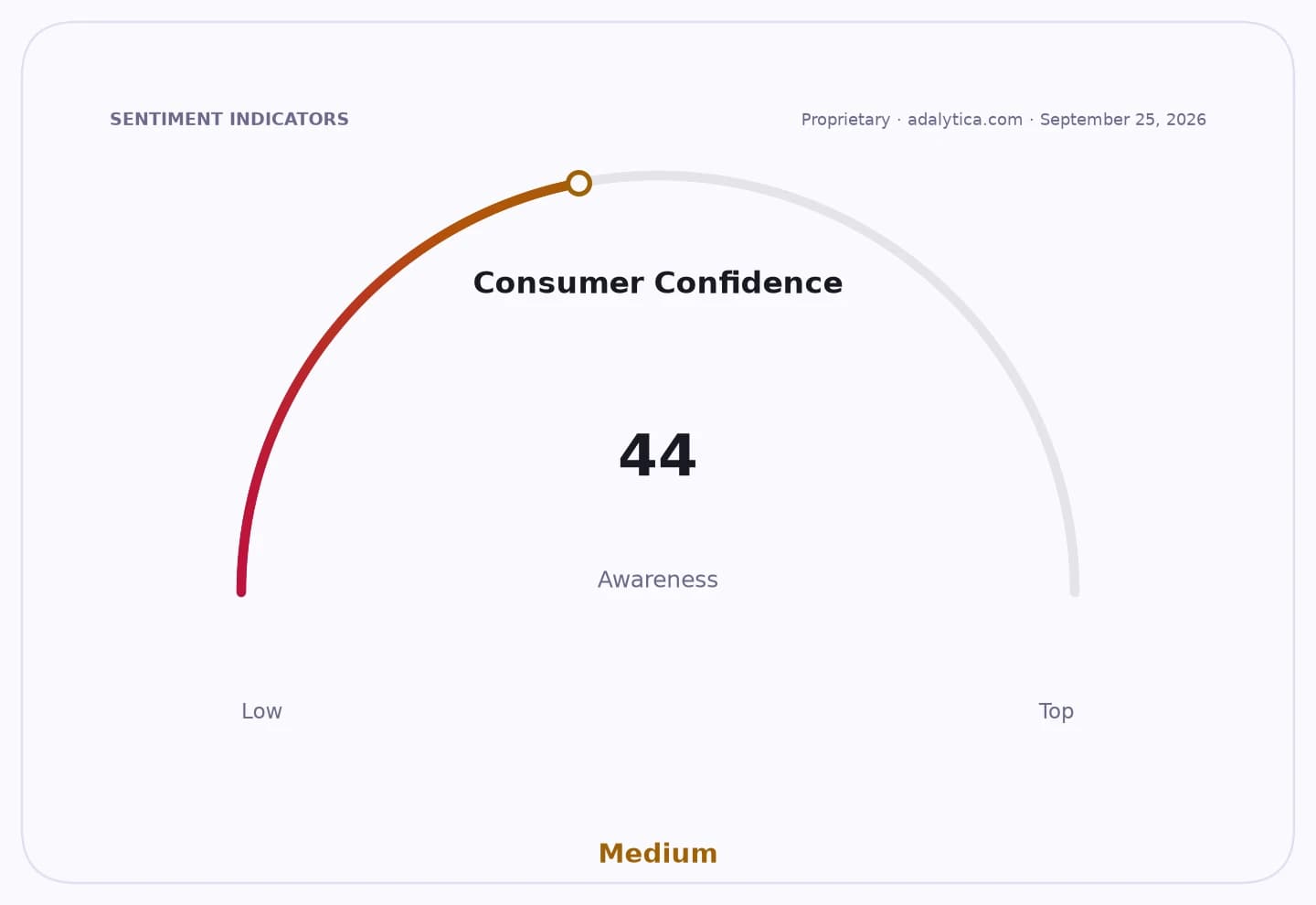
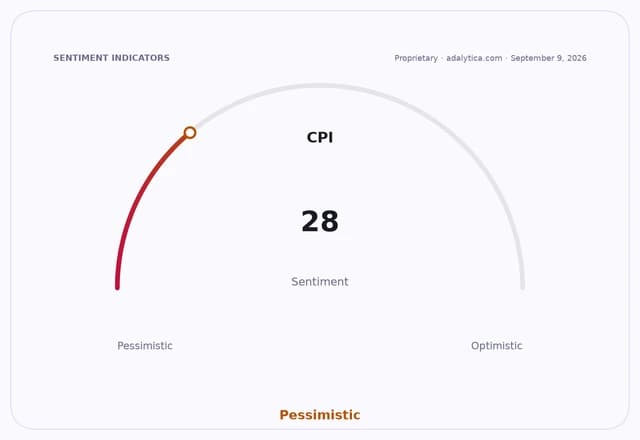
Sentiment IndicatorsⓘProprietary · adalytica.com · September 9, 2026
This is a snapshot — live sentiment, awareness and momentum for 130+ markets update continuously in the dashboard.Open AlphaPulse
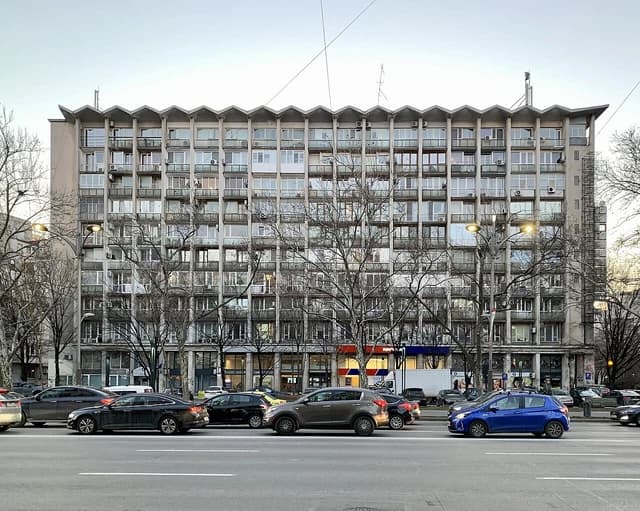
Colliers’ latest view shows the split plainly. Apartment transactions in Bucharest were about 2% below a year earlier in the first half of 2026 after an early-year recovery, while sales nationwide fell roughly 9%. The weakness is sharper in some regional hubs, with Cluj-Napoca down about 16% and Iași down 11%, even as Timișoara rose 3%. That divergence is important: Romania is no longer one housing market, but several, with prices and demand increasingly determined by location, transport links and project quality.
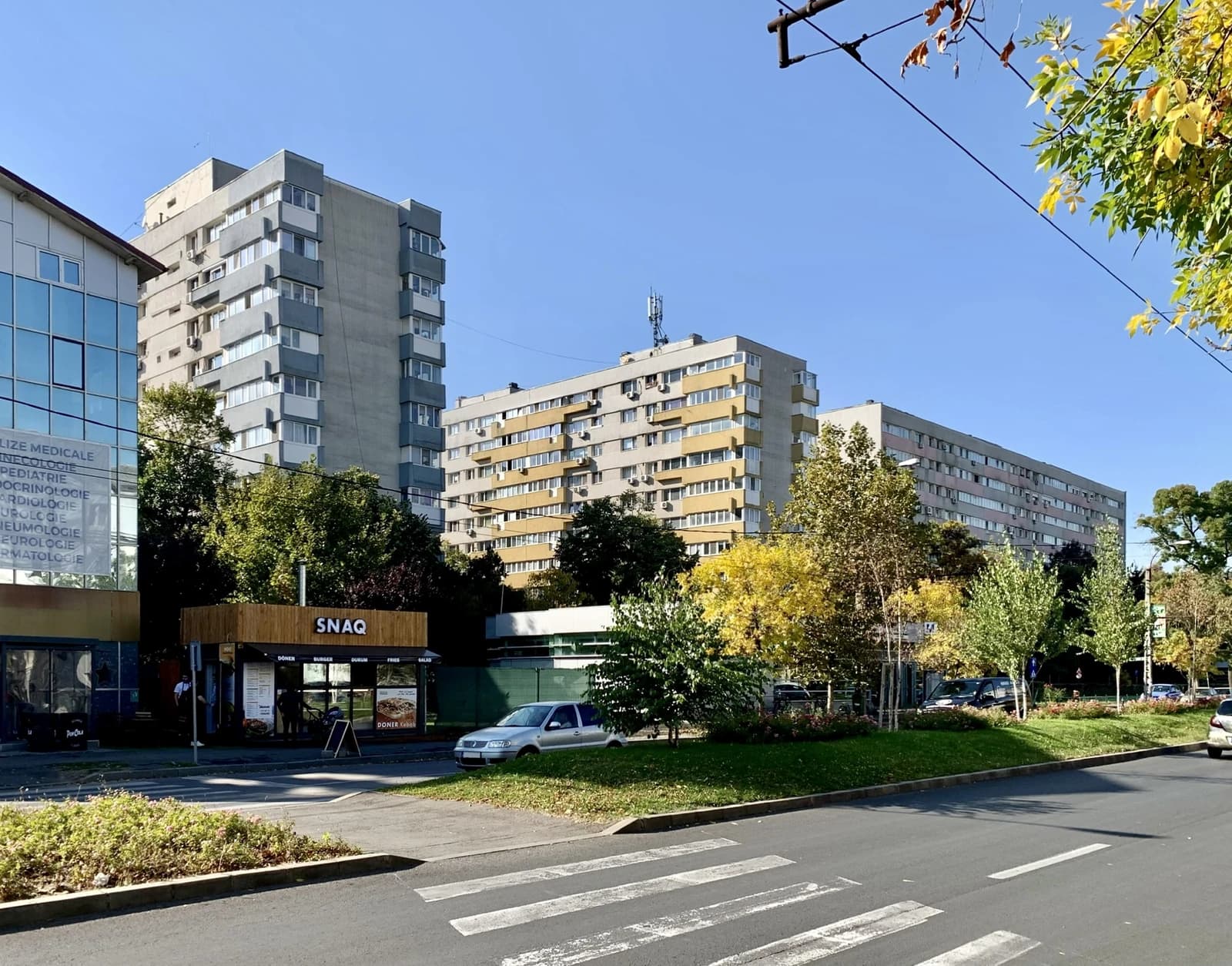
The supply backdrop is what keeps the market afloat. Romania delivered only about 59,000 homes in 2025, the lowest level since 2017. In Bucharest, however, the usable area authorized for residential buildings jumped 3.6 times in the first five months of 2026, a potential pipeline signal for the next cycle. That does not change the market immediately — permits today are deliveries two to five years out — but it does suggest developers are beginning to respond to chronic undersupply in the capital.
For investors, the message is that the winners are getting more differentiated while the broad market remains supported. Asking prices in Bucharest were still about 9% above a year ago at mid-summer, but monthly gains have cooled. Buyers are focusing not just on sticker price but on energy costs, maintenance, commuting time and developer quality. That shifts pricing power toward well-connected, energy-efficient projects backed by stronger balance sheets, while weaker locations may need discounts or incentives to keep volumes moving.
The financing environment is another reason the market is holding up rather than overheating. Roughly 58% of purchases are still made with mortgages, but high rates are delaying a stronger credit rebound. Colliers also expects Romania’s economy to shrink about 0.7% in 2026, which should cap broad demand even if underlying housing need remains intact.
That underlying need is the real floor under the market. Romania still has one of the EU’s highest overcrowding rates, and major cities need more homes, especially in areas where transport infrastructure can expand the catchment for buyers. Metro extensions, tram upgrades and better links between peripheral districts and office clusters could create the next wave of outperforming neighborhoods.
The takeaway for investors is straightforward: this is not a market to chase indiscriminately, but a market to own selectively. The best-positioned developers, land banks near transport corridors and energy-efficient residential projects should command a premium through the next cycle, while secondary projects in weaker locations will likely need to compete on price. In other words, Romania’s housing slowdown is not a warning to stay away — it is a signal to buy quality early.
| Entity | Gains | Losses |
|---|---|---|
| Prime residential developers | ▲Higher pricing power | ▼Slower transaction volumes |
| Well-connected Bucharest projects | ▲Stronger buyer demand | ▼Secondary-location schemes |
| Buyers with cash and patience | ▲More choice ahead | ▼Fewer near-term discounts |
| Weakly positioned developers | ▲Little | ▼Need incentives and discounts |