Romania’s consumer engine is faltering as retail sales fell 6.2% in July from a year earlier, underscoring how inflation and tax rises are still eroding household purchasing power despite a modestly softer labor market.
Romania Retail Sales Fall 6.2% in July
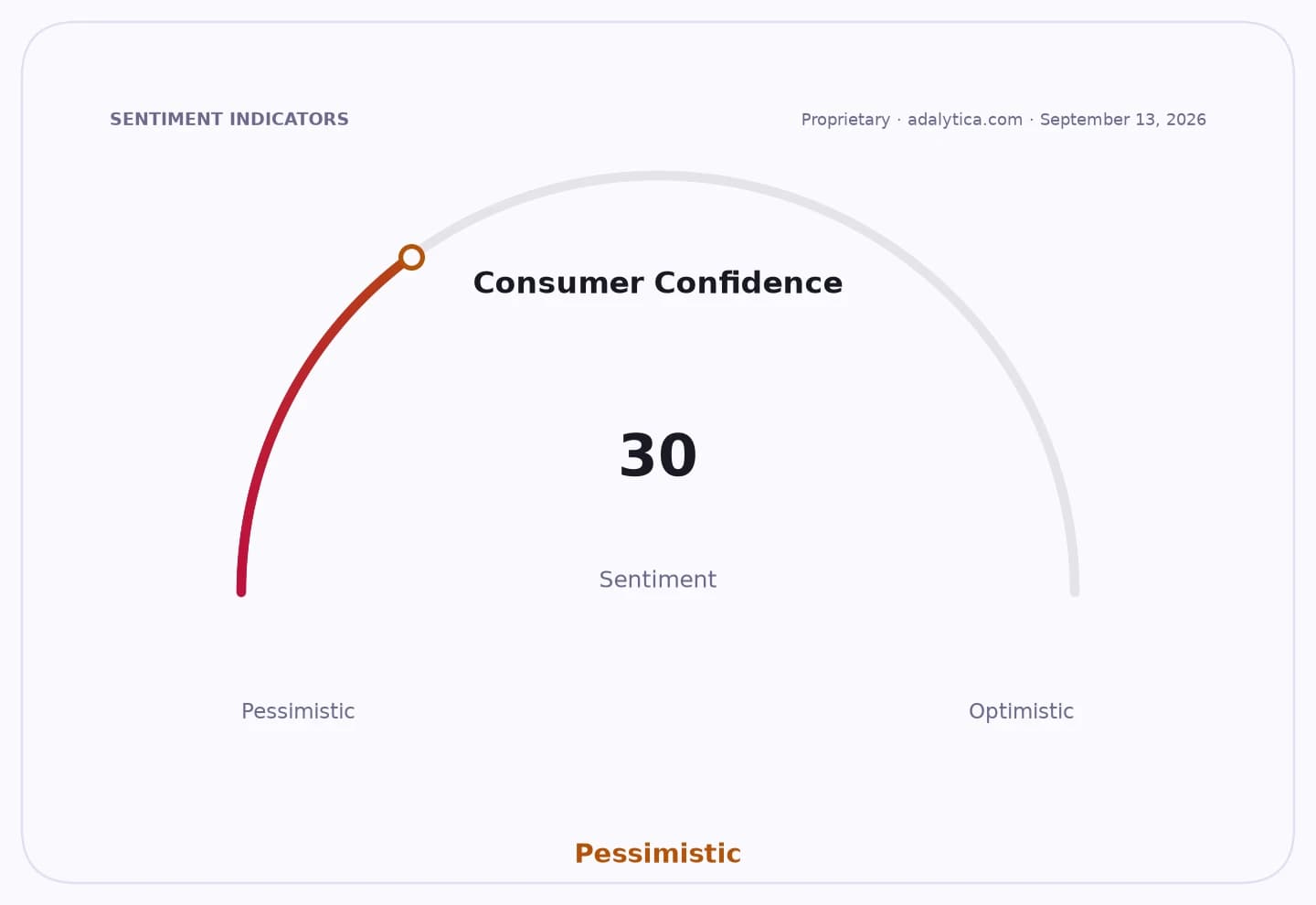
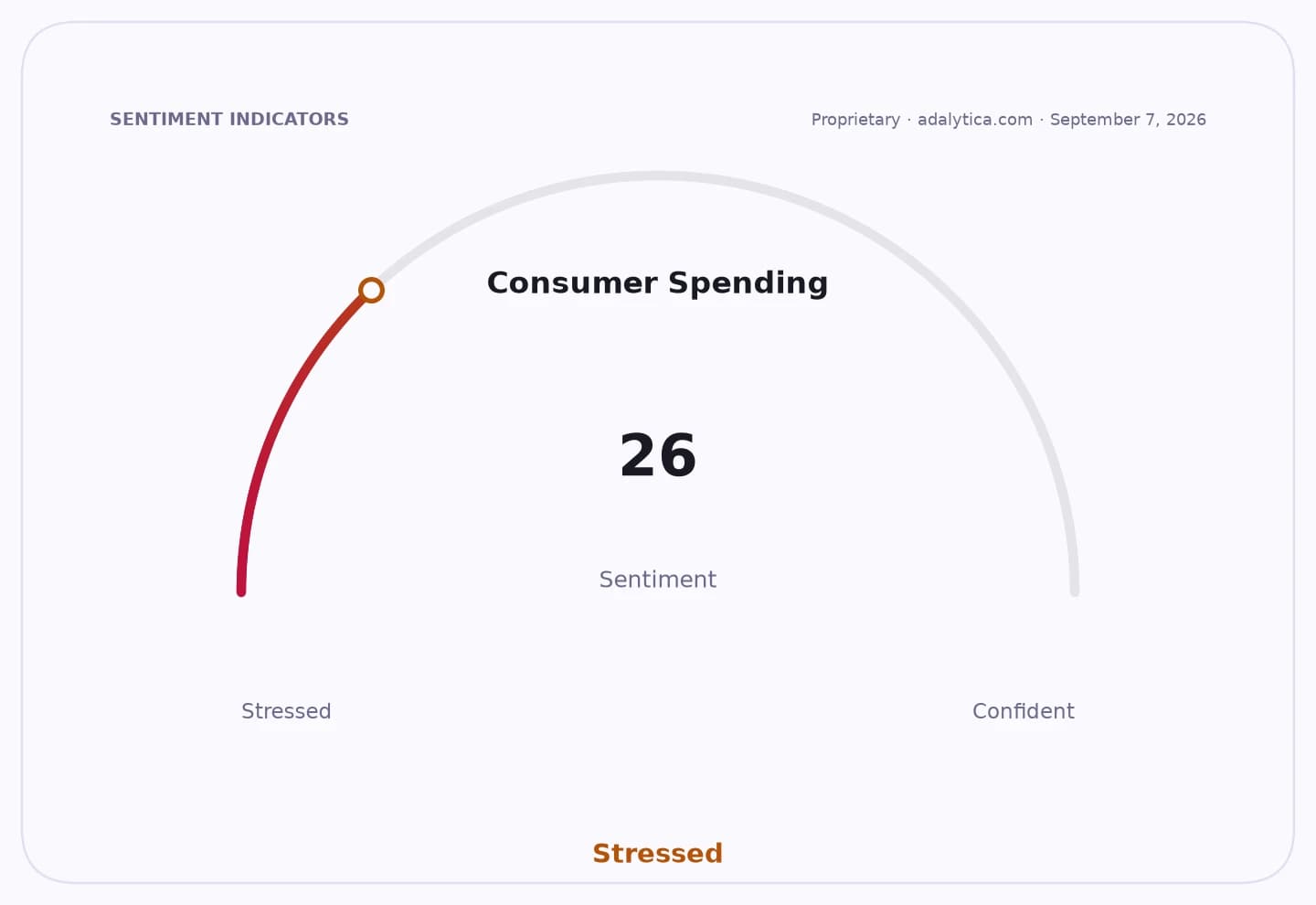
The latest data from the National Institute of Statistics show a broad-based decline in spending even after a slight month-on-month improvement, a pattern that points to a weak finish to the year for private consumption, the main driver of Romanian growth. On a seasonally adjusted basis, retail sales were down 6.1% year on year in July, suggesting households are still cutting back on purchases of goods rather than merely shifting timing.
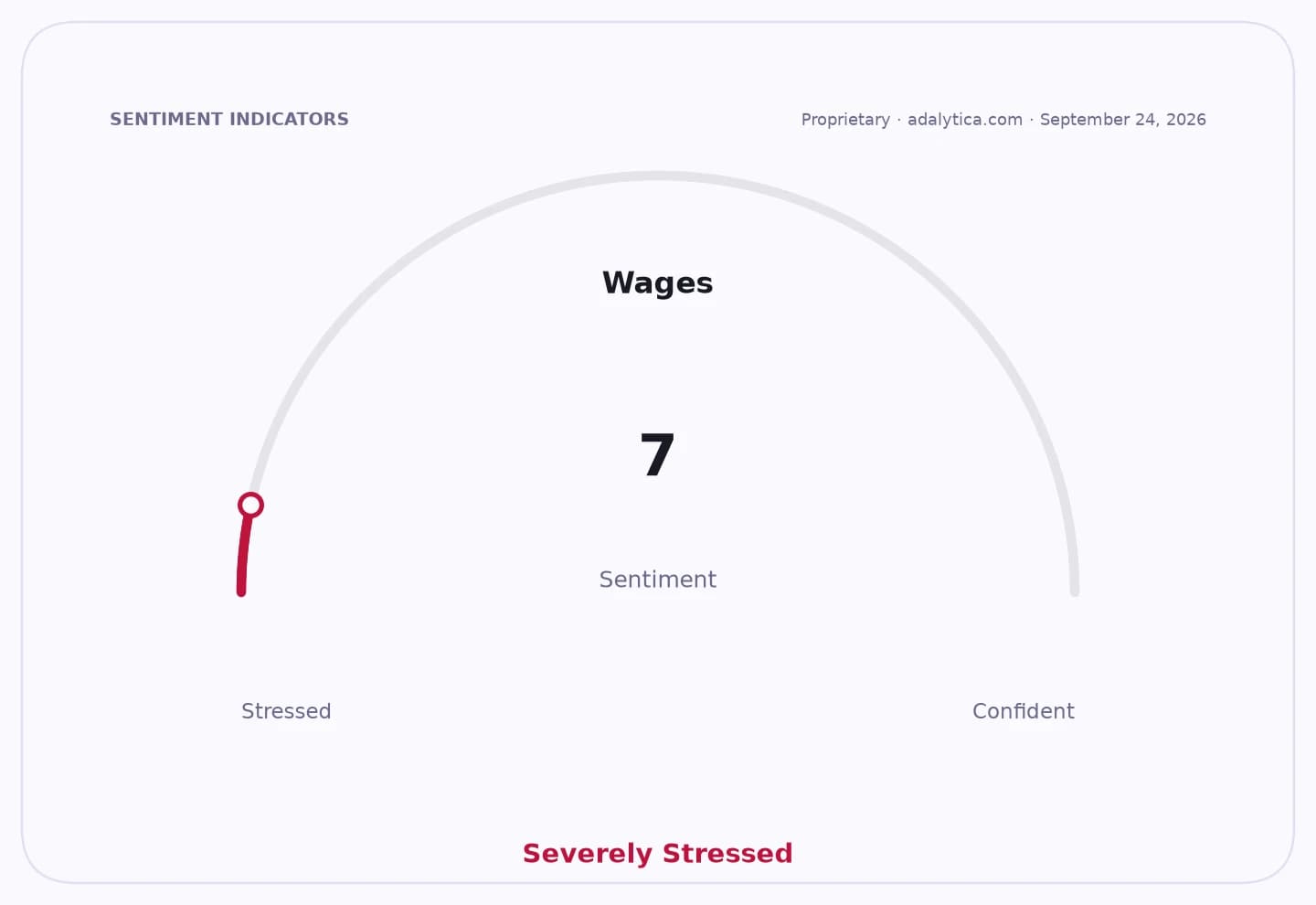
Sentiment IndicatorsⓘProprietary · adalytica.com · September 4, 2026
This is a snapshot — live sentiment, awareness and momentum for 130+ markets update continuously in the dashboard.Open AlphaPulse
That weakness matters because Romania entered 2026 with inflation still among the highest in the European Union after VAT increases and other levies introduced in 2025. Prices for everyday goods have stayed elevated even as headline inflation has eased from earlier peaks, leaving real wages in negative territory. The statistics office said real pay fell 6.3% in June from a year earlier, a sharp squeeze that helps explain why the consumer side of the economy remains under pressure.
The labor market is providing only limited relief. Unemployment edged down to 6.4% in July from 6.8% in June, but the decline has not translated into stronger household demand because nominal wage gains are being absorbed by inflation and taxes. Romania’s minimum gross wage rose to 4,325 lei on July 1 from 4,050 lei, but workers received only 125 lei of the 275-lei increase in hand after payroll taxes, leaving the rest to the state and inflation to erode much of the remainder.
For investors, the message is that Romania’s growth story is increasingly dependent on exports, public spending and any future easing in price pressures rather than on domestic consumption. A weak retail backdrop can weigh on listed retailers, consumer-goods companies and banks exposed to household lending, while also complicating fiscal policy if tax receipts disappoint alongside slower spending.
The employment outlook is not yet deteriorating sharply: the Employment Expectations Indicator held at 100.7, slightly above its historical average, with industrial and services managers still planning hiring while retailers are more cautious. But the balance of risks remains tilted toward slower consumption and softer GDP momentum unless real incomes turn positive again.
| Entity | Gains | Losses |
|---|---|---|
| Consumers | ▲Some relief from inflation slowdown | ▼Real purchasing power |
| Retailers | ▲Potential month-on-month stabilization | ▼Sales volumes and margins |
| Government | ▲Higher tax intake from wage hikes | ▼Consumer demand and growth |
| Employers | ▲Easier labor market conditions | ▼Pressure to lift pay faster |