Rosatom’s decision to raise the Russian workforce at Iran’s Bushehr nuclear plant to 63 underscores a cautious restart of a strategically sensitive project that sits at the intersection of energy infrastructure, sanctions risk and Middle East security.
Rosatom raises staff at Iran's Bushehr plant
That matters because Bushehr is not just another overseas construction site. It is Iran’s only operating nuclear power plant, and Russia’s role in expanding it ties Moscow deeper into Tehran’s long-cycle power infrastructure at a time when the region remains volatile and any escalation around Iran could disrupt personnel, financing and delivery schedules. For investors, the key point is that Rosatom is signaling it believes enough security is in place to keep engineers on site, but not enough to justify a full-scale return.
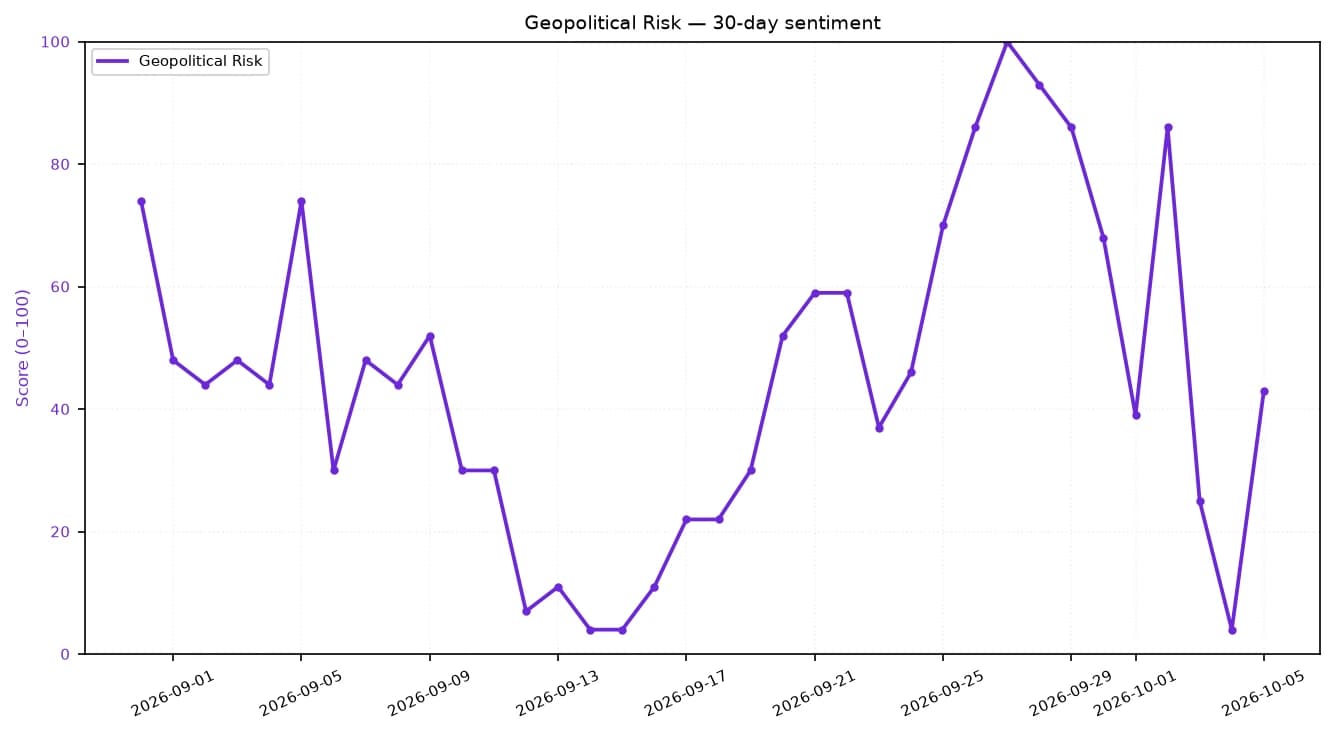
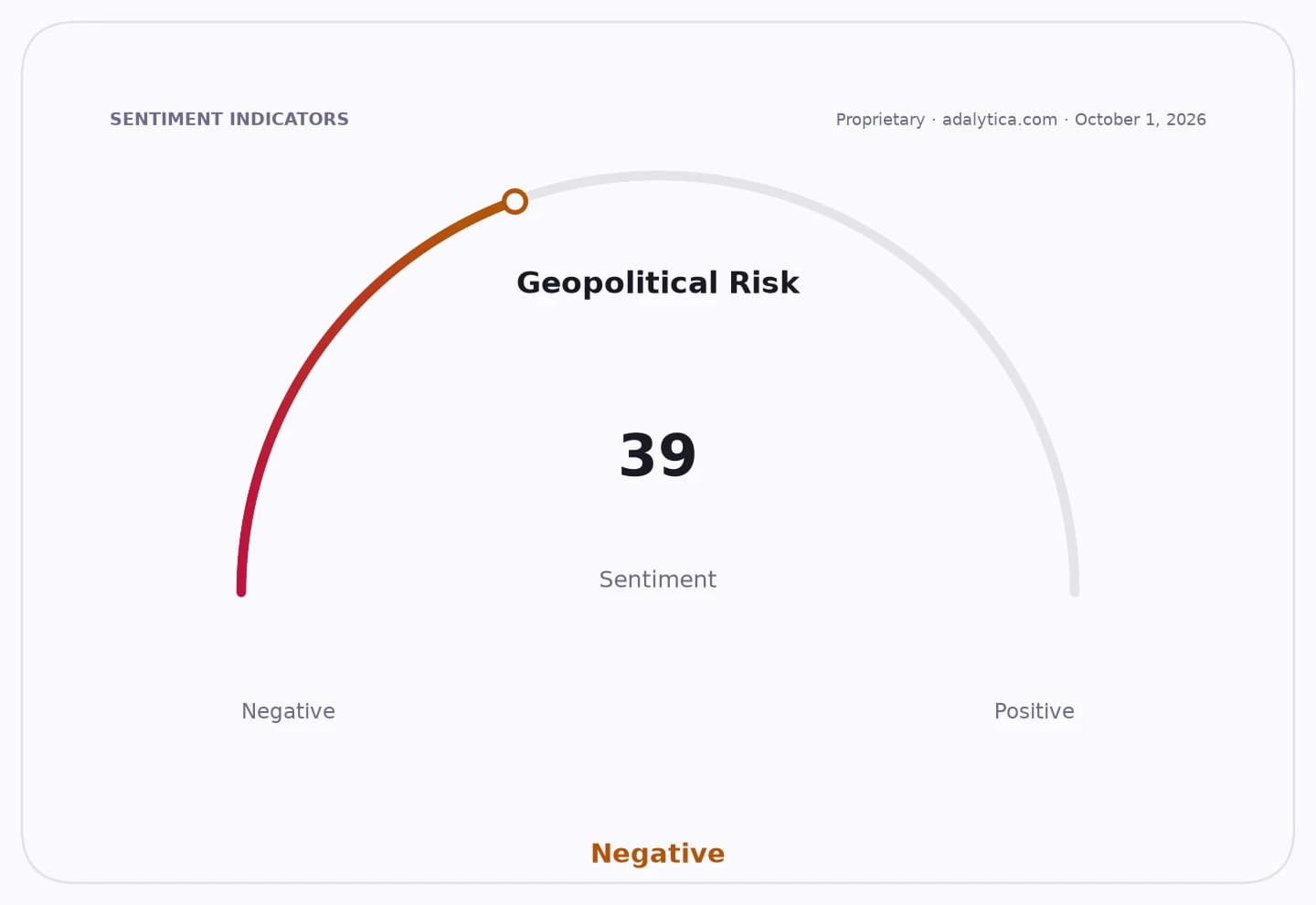
Sentiment IndicatorsⓘProprietary · adalytica.com · September 27, 2026
This is a snapshot — live sentiment, awareness and momentum for 130+ markets update continuously in the dashboard.Open AlphaPulse
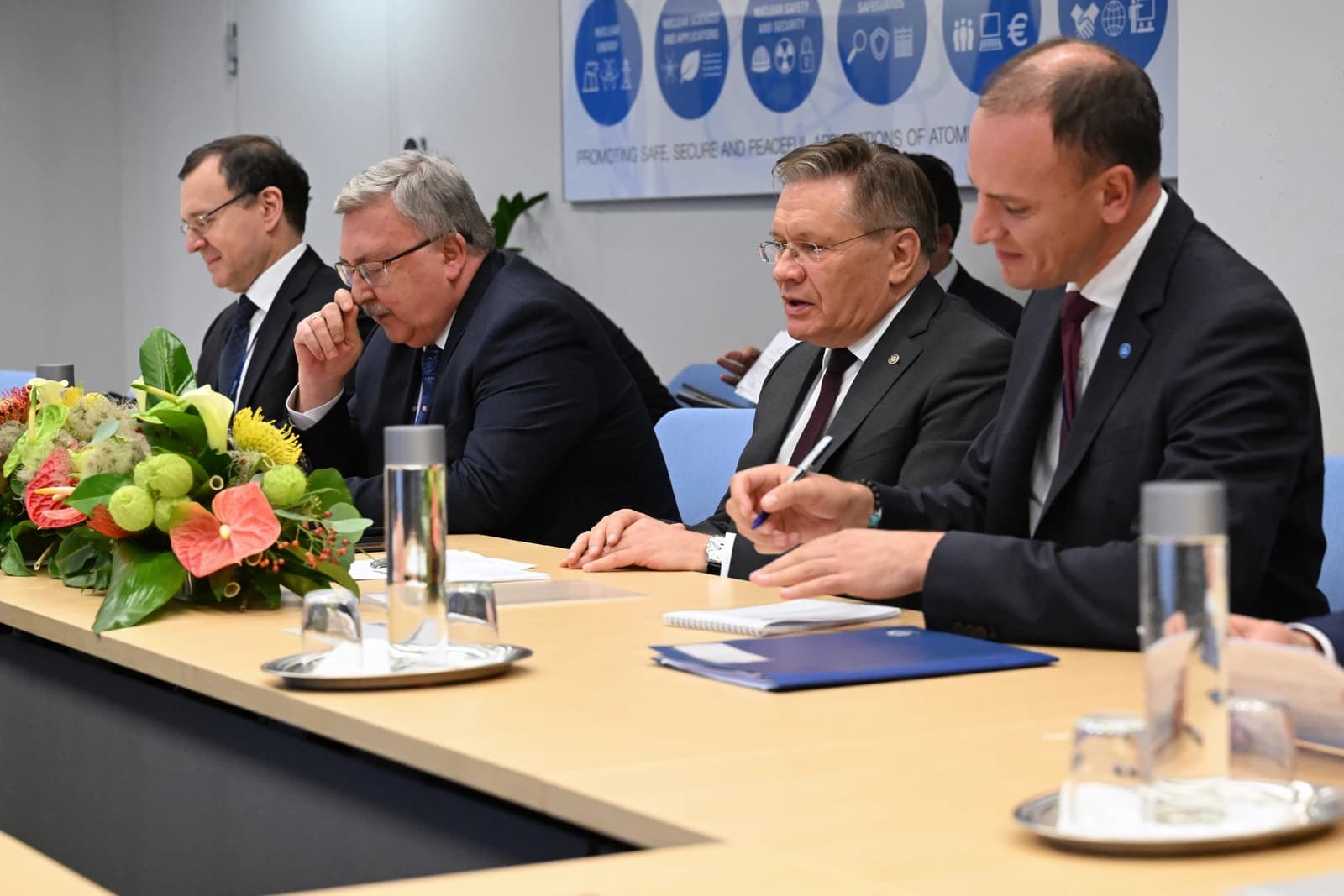
The Kremlin-backed nuclear giant said 18 more Russian specialists have gone back to Bushehr, bringing the total to 63 after most foreign staff were evacuated when fighting intensified earlier this year. Rosatom chief Alexei Likhachev said the company is gradually rebuilding its presence based on the security situation in the Middle East, while making clear that a much larger deployment depends on a final political settlement between Iran and the U.S. That is the real market message: construction can advance, but only within tight geopolitical guardrails.
Bushehr’s second and third units are the commercial prize. The first reactor is still running at full capacity, but the buildout of the new reactor halls and turbine buildings is where the long-term value lies for Rosatom and for Iran’s grid. The third unit had previously been expected to finish in 2026, and the return of staff suggests work is resuming rather than stalling. In a world where nuclear projects often get delayed by sanctions, war risk and supply-chain bottlenecks, even incremental manpower gains are meaningful.
For investors, the opportunity is less about immediate revenue recognition than about the broader trade: Russia’s nuclear export business remains a geopolitical toll road. Rosatom’s overseas projects tend to be sticky, capital intensive and politically backed, which can support long-duration order books even when headlines are unstable. The flip side is obvious: any deterioration in Iran-U.S. relations, or renewed regional conflict, would quickly raise execution risk and could force another evacuation.
That is why the market should not read this as a clean normalisation story. It is a managed risk-reentry story, and those are often the most durable ones for state-linked infrastructure players. With the Adalytica Global Stability Sentiment gauge showing extreme greed but extreme fear in awareness, this is exactly the kind of underpriced geopolitical tailwind that can matter for defense, nuclear and heavy engineering exposure over the next several years.
The investable takeaway is straightforward: watch Rosatom-linked nuclear infrastructure, the broader uranium and nuclear supply chain, and any listed contractors with exposure to sanctioned-market engineering, because Bushehr shows the world’s nuclear buildout is still being driven as much by geopolitics as by power demand.
| Entity | Gains | Losses |
|---|---|---|
| Rosatom | ▲Overseas project momentum | ▼Higher security risk |
| Iran | ▲Nuclear capacity buildout | ▼Greater sanctions scrutiny |
| Russia | ▲Strategic influence in Iran | ▼Staff exposure on site |
| Competing energy projects | ▲— | ▼Attention and capital share |