Rosneft’s role in a Kremlin-backed money-laundering network matters because it turns Russia’s biggest oil company from a sanctions target into a sanctions tool, showing how hard currency from state energy exports can be recycled to finance the machinery built to evade Western restrictions.
Rosneft cash flows tied to Kremlin sanctions network
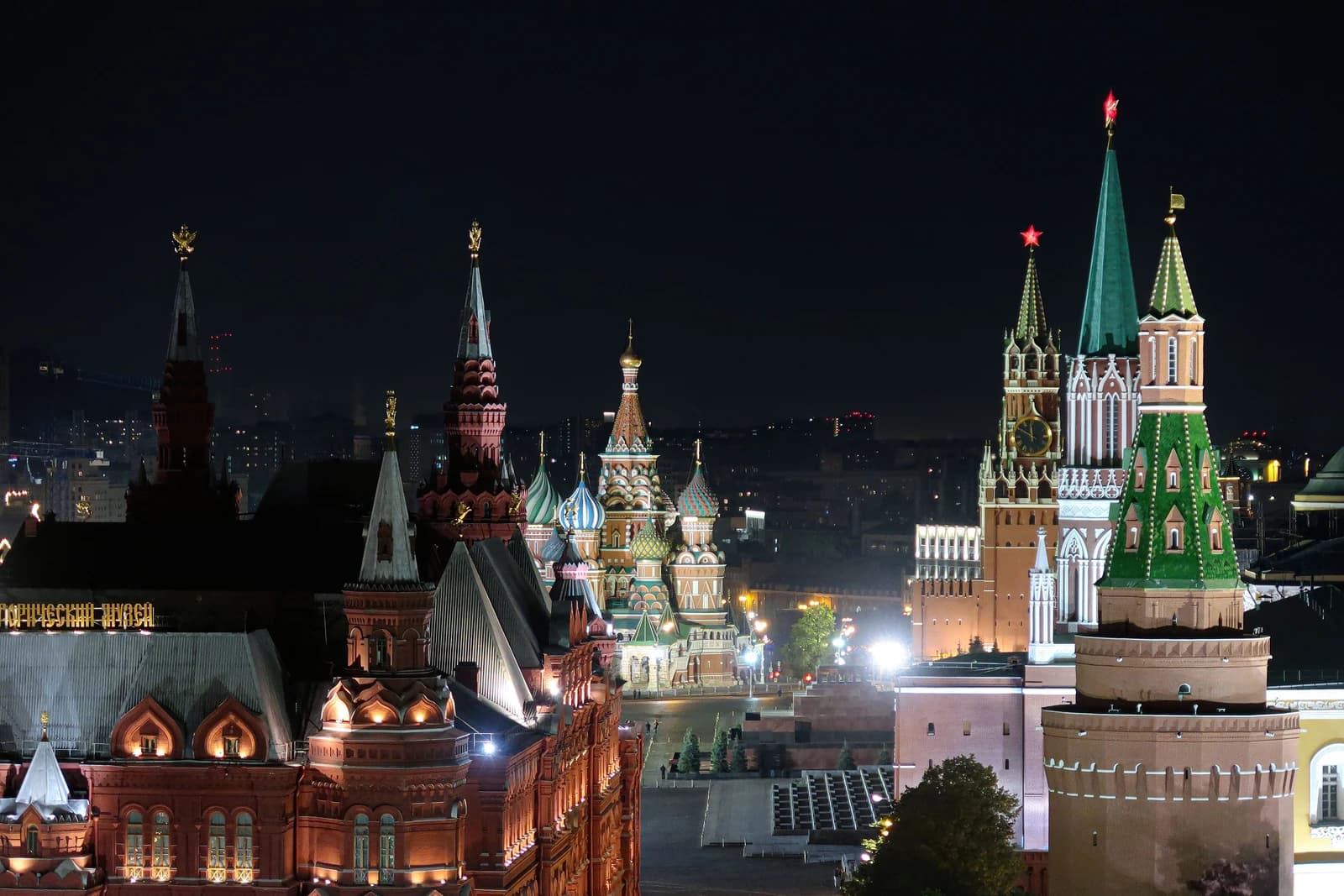
The Financial Times investigation says billions of dollars tied to Rosneft fed a network used by the Kremlin to circumvent sanctions, underscoring how the oil producer’s cash flows can be repurposed beyond ordinary corporate finance into geopolitical operations. For investors, that raises the odds of further scrutiny on Russian oil trade routes, counterparties and payment channels, as well as on any institutions still exposed to Russia-linked energy flows.
Sentiment IndicatorsⓘProprietary · adalytica.com · September 29, 2026
This is a snapshot — live sentiment, awareness and momentum for 130+ markets update continuously in the dashboard.Open AlphaPulse
The economic significance is twofold. First, it shows sanctions are not just constraining Russian trade; they are also pushing the state to build parallel financial and logistical systems around its most valuable export, crude oil. Second, it highlights the centrality of Rosneft’s hard-currency revenue to Russia’s wartime economy. Even as Moscow seeks to preserve export volumes through Asia and the Arctic, the cash generated by oil can help sustain a shadow economy that is harder to monitor and more expensive to police.
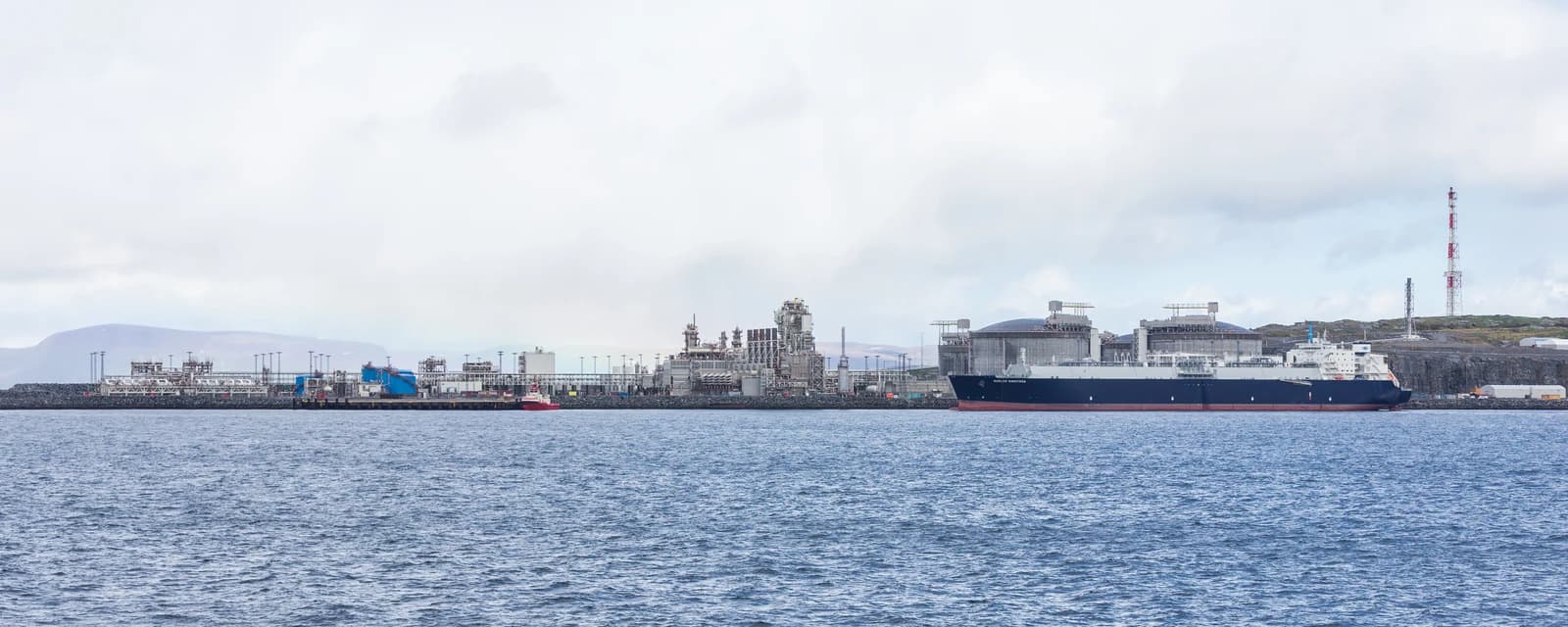
That comes as Russia’s energy sector is already under pressure from war-related disruptions and repeated attacks on refining assets. Ukrainian drone strikes have hit Rosneft-linked refineries, including the Kuibyshev plant in Samara, one of the larger regional facilities and an important supplier for domestic fuel and military logistics. At the same time, Rosneft has been trying to offset those losses with new production and export projects, including the long-delayed Vostok Oil development in the Arctic, where it has begun commercial shipments and aims eventually to lift exports toward 1 million barrels a day.
The juxtaposition is telling. Rosneft is simultaneously trying to expand upstream output, protect domestic supply and help sustain Russia’s export machine, while its dollar earnings are implicated in sanctions evasion networks. That makes the company not just a large oil producer but a strategic node in the Kremlin’s wartime financial architecture.
For markets, the immediate issue is not Rosneft equity — largely inaccessible to most foreign investors — but the broader risk premium embedded in Russian crude flows, shipping, insurance, payments and secondary sanctions exposure. Any expansion of enforcement could tighten already fragile trade channels, disrupt discounts on sanctioned barrels and add friction to Asian buyers and intermediaries that have relied on Russian supply.
The longer-term question is whether Western governments respond with more aggressive enforcement against the infrastructure around Russian oil rather than the producer alone. If they do, the pressure would fall on traders, refiners, tankers and banks that remain exposed to the trade, even as Russia keeps using energy export proceeds to fund the systems built to work around sanctions.
| Entity | Gains | Losses |
|---|---|---|
| Kremlin | ▲sanction-evasion capacity | ▼exposure to tighter enforcement |
| Rosneft | ▲wartime cash flow leverage | ▼reputational and legal scrutiny |
| Russian oil buyers | ▲discounted supply access | ▼secondary-sanctions risk |
| Western regulators | ▲stronger case for enforcement | ▼higher monitoring burden |