Wheat harvesting in Russia’s Rostov region is moving into its most economically important stretch of the summer, with farmers trying to lock in yields before further weather damage can trim output and squeeze margins.
Rostov Wheat Harvest Faces Weather Risk
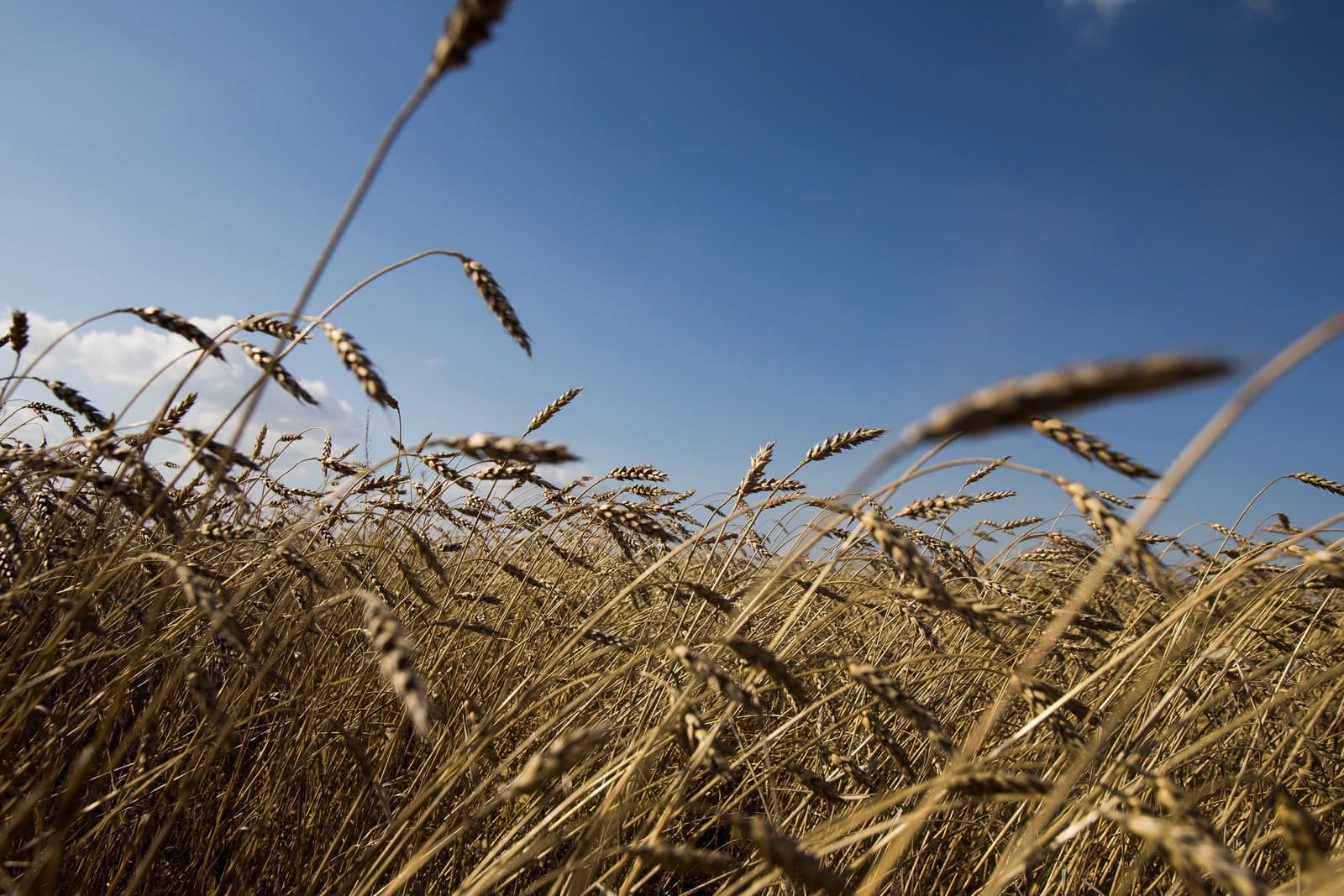
The region matters because Rostov is one of the country’s key grain-producing areas, and even small swings in harvest quality can ripple through local export volumes, storage demand and farm profitability. A strong finish would help offset losses in fields hit by rain and storms elsewhere, while a weaker one would tighten supply and add to volatility in the Black Sea wheat market.
Weather has been the main market variable. Recent rains have hurt wheat yields in several areas, while hail and storms have damaged rapeseed and wheat crops just before harvest in some districts. That has left the season looking uneven: barley yields have improved in some places, and wheat output in parts of the region and nearby markets has still reached as high as 6,000 kilograms per hectare.
The split matters for investors and agribusiness traders because grain harvests in southern Russia feed into export expectations, farm incomes and pricing for fertilizers, logistics and storage. Better-than-feared yields can ease pressure on local supply chains, but any further rain during the harvest window could quickly reverse that, especially for uncut wheat.
The broader picture is one of a decent but fragile cereal season across parts of Eastern Europe and the Black Sea basin, where farmers are watching the weather day by day to protect output. For the market, the next catalyst is simple: how much crop can still be brought in before more rain or storm damage cuts into the final tally.
| Entity | Gains | Losses |
|---|---|---|
| Rostov farmers | ▲Higher completed yields | ▼Weather-related crop losses |
| Grain traders/exporters | ▲More stable supply if harvest holds | ▼Lower volumes if rain worsens |
| Buyers/importers | ▲Potentially steadier wheat availability | ▼Price spikes from tighter supply |
| Competing regions with better weather | ▲Stronger relative output | ▼Less direct benefit from regional shortages |