Royal Bank of Canada has tapped the sterling debt market with a GBP 660 million floating-rate senior note due November 2027, a reminder that the world’s biggest banks are still locking in wholesale funding while borrowing costs remain far above the ultra-low-rate era.
Royal Bank of Canada Issues GBP 660 Million Note

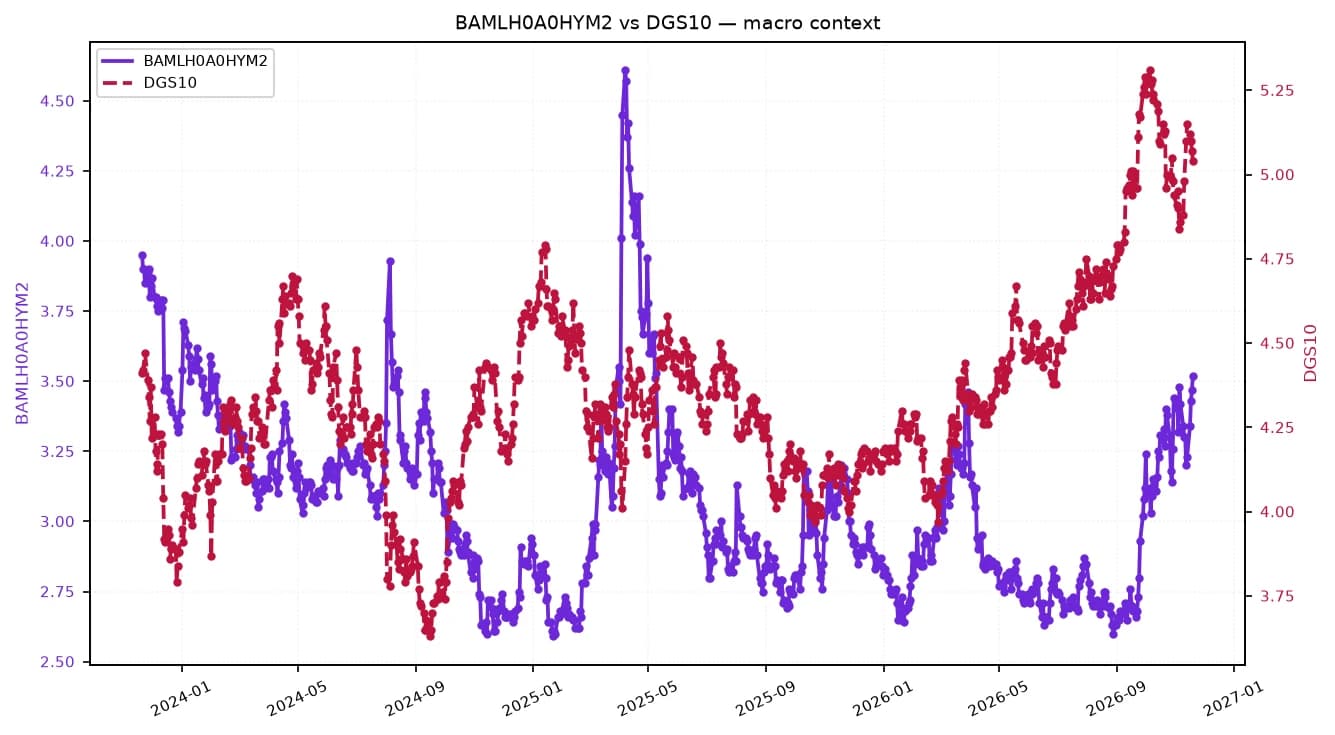
For investors, this is less about one bond sale and more about the pricing environment behind it. Short-term and long-term U.S. rates are still elevated, with the 2-year Treasury around 4.73% and the 10-year near 5.02%, while the Federal Reserve’s policy rate has been sitting in the high-3% range. That backdrop keeps floating-rate issuance attractive for lenders that want to match funding costs to loan yields, but it also underscores how expensive capital remains compared with the last decade.
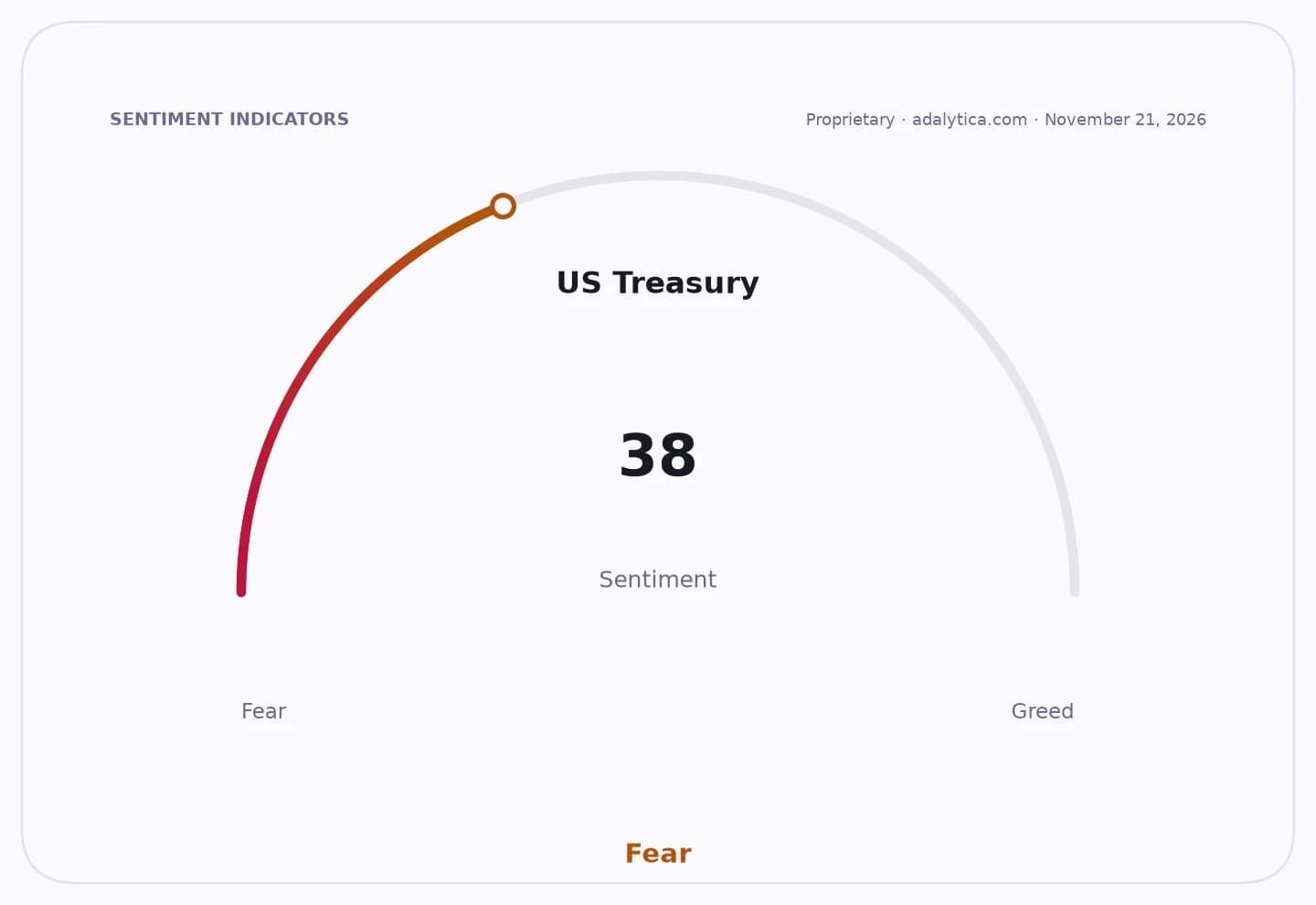
Sentiment Indicators

RBC’s move fits the broader playbook for large banks: diversify funding, preserve balance-sheet flexibility and avoid being overexposed to any one currency market. A floating-rate structure also reduces duration risk for investors and issuers alike, making the paper more resilient if rates stay sticky. In other words, the bank is paying for optionality in a market where investors still demand a premium for short-dated bank debt.
The timing matters for the sector as well. Other Canadian lenders, including Toronto-Dominion and Bank of Nova Scotia, have also been active in regulatory and disclosure filings, highlighting a steady cadence of capital markets access across the group. That is generally a healthy sign for a banking system that relies on constant refinancing, but it also shows that big lenders continue to operate in a world where funding discipline matters just as much as loan growth.

Royal Bank of Canada’s shares have pulled back sharply from recent highs, with the stock falling to about $183.45 from above $209 earlier in the month. That slide leaves the shares near the lower end of their recent trading range and below the 50-day moving average, while momentum indicators have weakened. For long-term investors, though, a bond sale like this is not a reason to trade around the stock — it is a reminder to focus on the franchise. A bank with scale, access to markets and recurring earnings power can usually absorb a few basis points of funding pressure better than smaller rivals.
The key takeaway is simple: in a higher-rate world, funding strategy is part of the investment case. RBC is still able to raise money efficiently, and that supports the durability of its balance sheet. Investors who own the stock for years, not weeks, should view this as worth watching rather than worrying about.
| Entity | Gains | Losses |
|---|---|---|
| Royal Bank of Canada | ▲Flexible funding access | ▼Higher borrowing costs |
| Bond investors | ▲Floating-rate income | ▼Limited upside if rates fall |
| Canadian bank peers | ▲Benchmark for issuance | ▼More expensive wholesale funding |
| Long-term shareholders | ▲Balance-sheet stability | ▼Short-term margin pressure |