A long-tenured workforce is emerging as a competitive moat for employers that can combine stable pay, trust and purpose, with Kalnapilio-Tauro Group saying its average employee tenure has reached 12 years and voluntary turnover stayed at just 6% last year.
Royal Unibrew unit reports 12-year employee tenure
The numbers matter because labor stability is no longer just a human-resources metric. In a tight and uneven jobs market, companies that keep experienced workers tend to see lower hiring costs, fewer training gaps and more consistent output, especially in manufacturing, logistics and sales. That can translate into better service quality and less operational friction, all of which support margins when wage pressure and consumer demand are volatile.
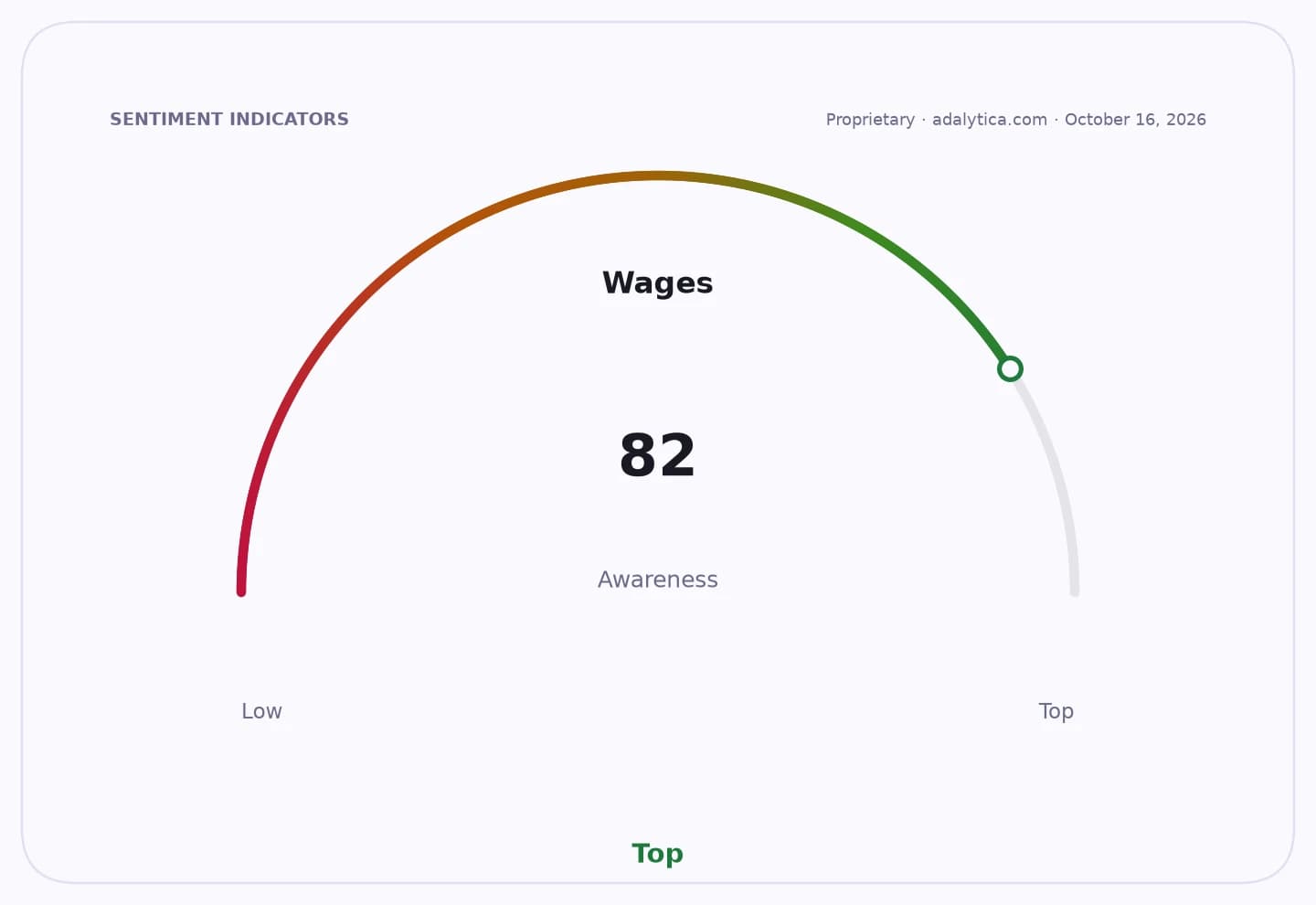
Sentiment IndicatorsⓘProprietary · adalytica.com · October 16, 2026
This is a snapshot — live sentiment, awareness and momentum for 130+ markets update continuously in the dashboard.Open AlphaPulse
Kalnapilio-Tauro, part of Royal Unibrew, said the retention picture is rooted less in pay alone than in workplace culture, with management emphasizing trust, employee voice and clear goals. The group’s annual anonymous engagement survey found that most employees are proud to work there, feel part of the company and trust leadership’s decisions. The company said it uses the survey to measure engagement, discrimination, safety culture and employees’ willingness to act as ambassadors for the business.
The company’s data point is notable because it runs against the broader churn that often defines modern labor markets. Kalnapilio-Tauro said turnover has not exceeded 10% in the past three years, while 6 employees have been with the company for more than 40 years and another 23 for more than 30 years. That kind of tenure is rare in industrial and consumer-facing businesses, where staffing shortages and wage competition frequently force employers into a costly cycle of replacement and retraining.
For investors, the implication is that retention can be a hard-to-copy input into productivity. A workforce that stays longer generally knows the processes better, makes fewer mistakes and is more likely to adapt to operational changes. That matters for listed peers such as Royal Unibrew and for employers more broadly, including companies like ADP that sell tools aimed at tracking performance and retention risks. ADP’s latest filing said competition for skilled employees remains intense and that employers face rising costs to attract and retain talent.
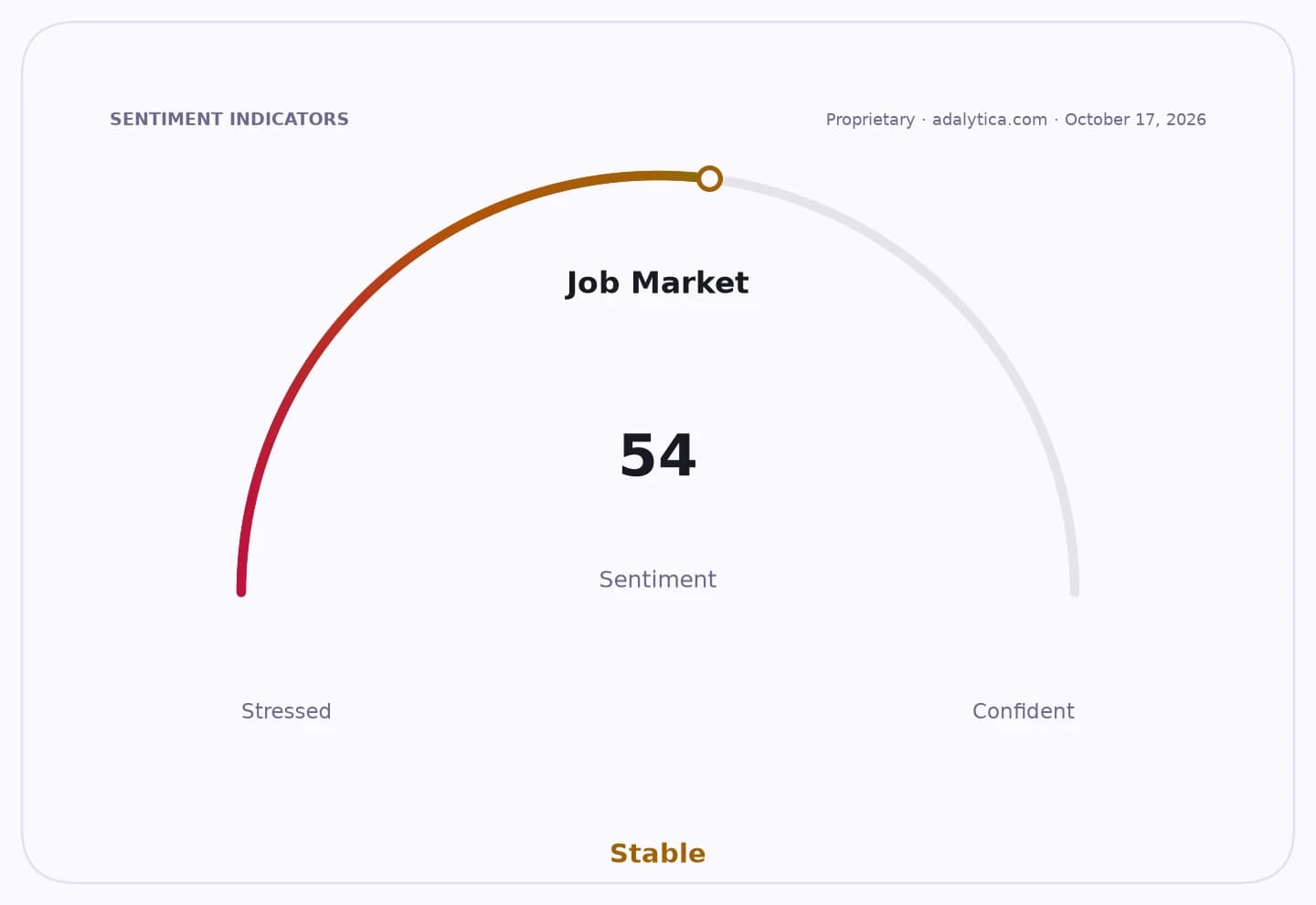
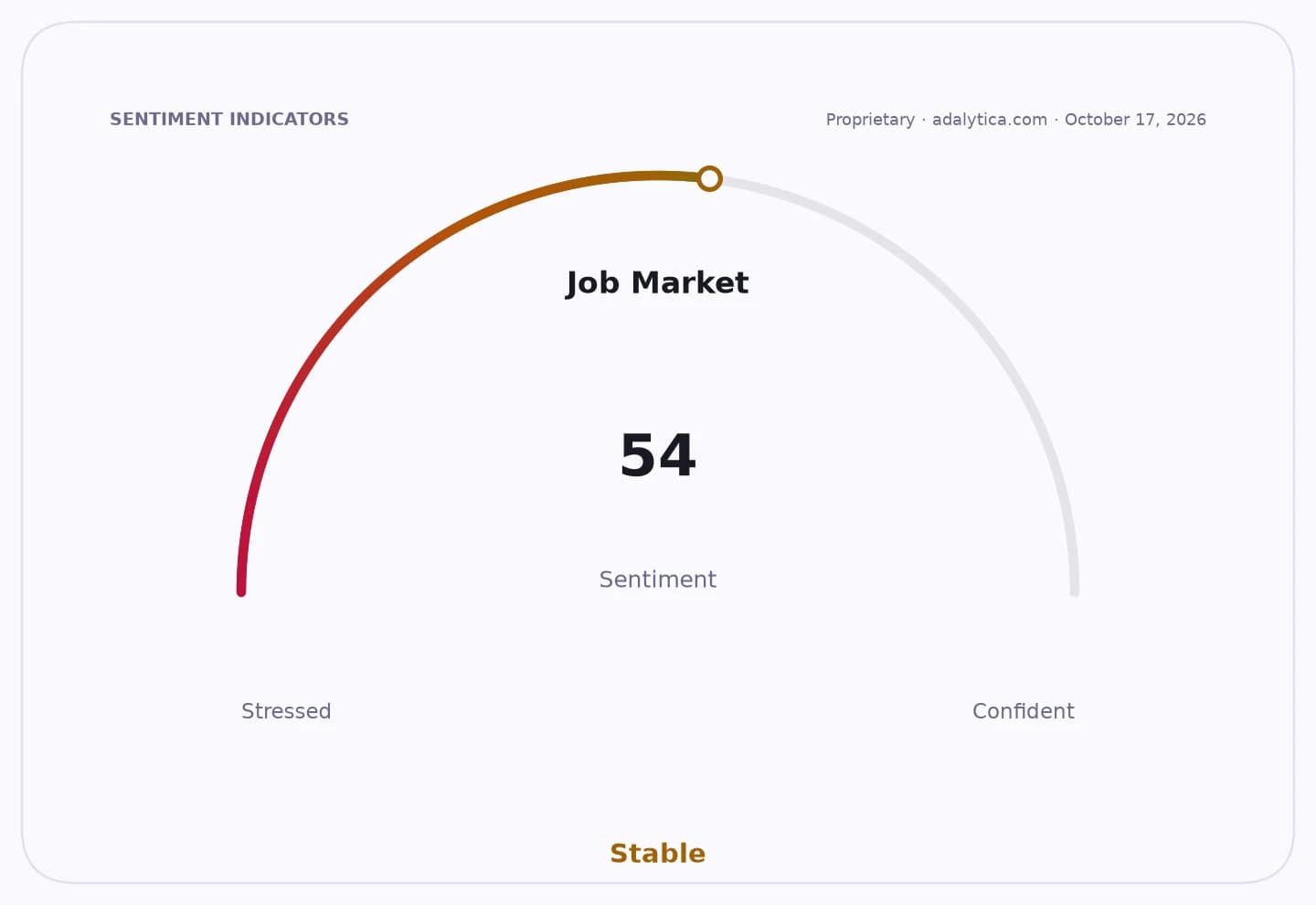
The backdrop also helps explain why workforce metrics have become more material to markets. Consumer confidence and job-market sentiment gauges remain fragile, suggesting households and workers are still sensitive to economic uncertainty. In that environment, companies that can offer stability may have an advantage not only in hiring but in preserving output and customer relationships.
The bull case is that long-tenured teams create a durable operating edge and reduce hidden costs that investors often miss. The bear case is that loyalty can mask complacency if firms fail to refresh skills or succession planning. For shareholders, the key question is whether retention is being converted into measurable productivity and resilience — and whether that advantage can persist if wage expectations rise or the labor market tightens again.
| Entity | Gains | Losses |
|---|---|---|
| Kalnapilio-Tauro / Royal Unibrew | ▲Lower turnover, steadier output | ▼Higher cost if culture slips |
| Employees | ▲Job security, long careers | ▼Less mobility if stagnant |
| Investors | ▲Better margins, less hiring churn | ▼Risk of complacency |
| Peers with high turnover | ▲Benchmark pressure to improve retention | ▼Higher recruitment and training costs |