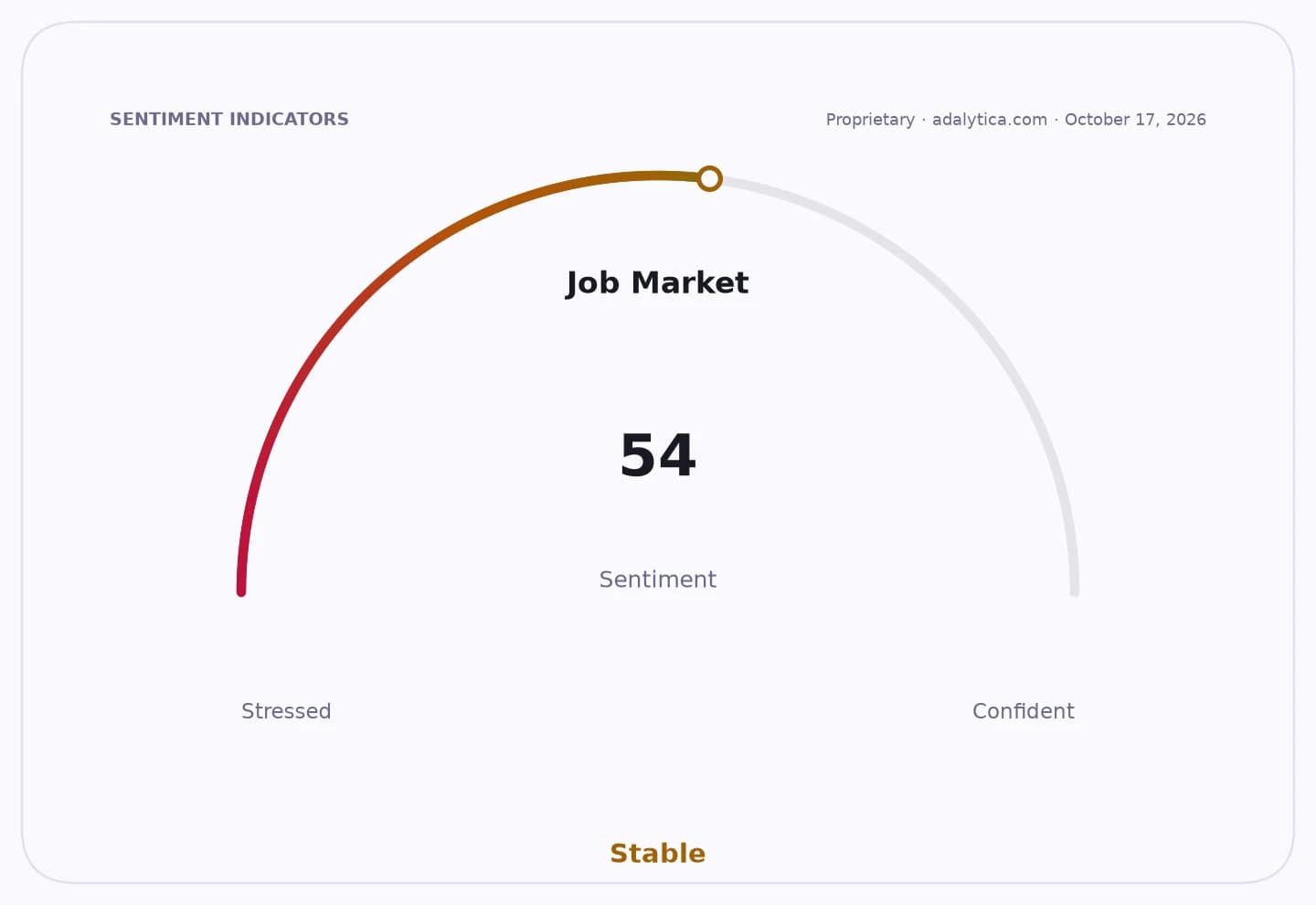
Russians are rethinking work at scale, and that shift matters because it turns labor churn into an economic feature, not a glitch. Nearly a quarter of people have already changed professions in the past two years, while searches for “new profession” jumped 45% in September 2026, a sign that workers are treating retraining as a necessity in a market that is moving faster than educational programs can adapt.
Russia workers shift careers as retraining demand rises
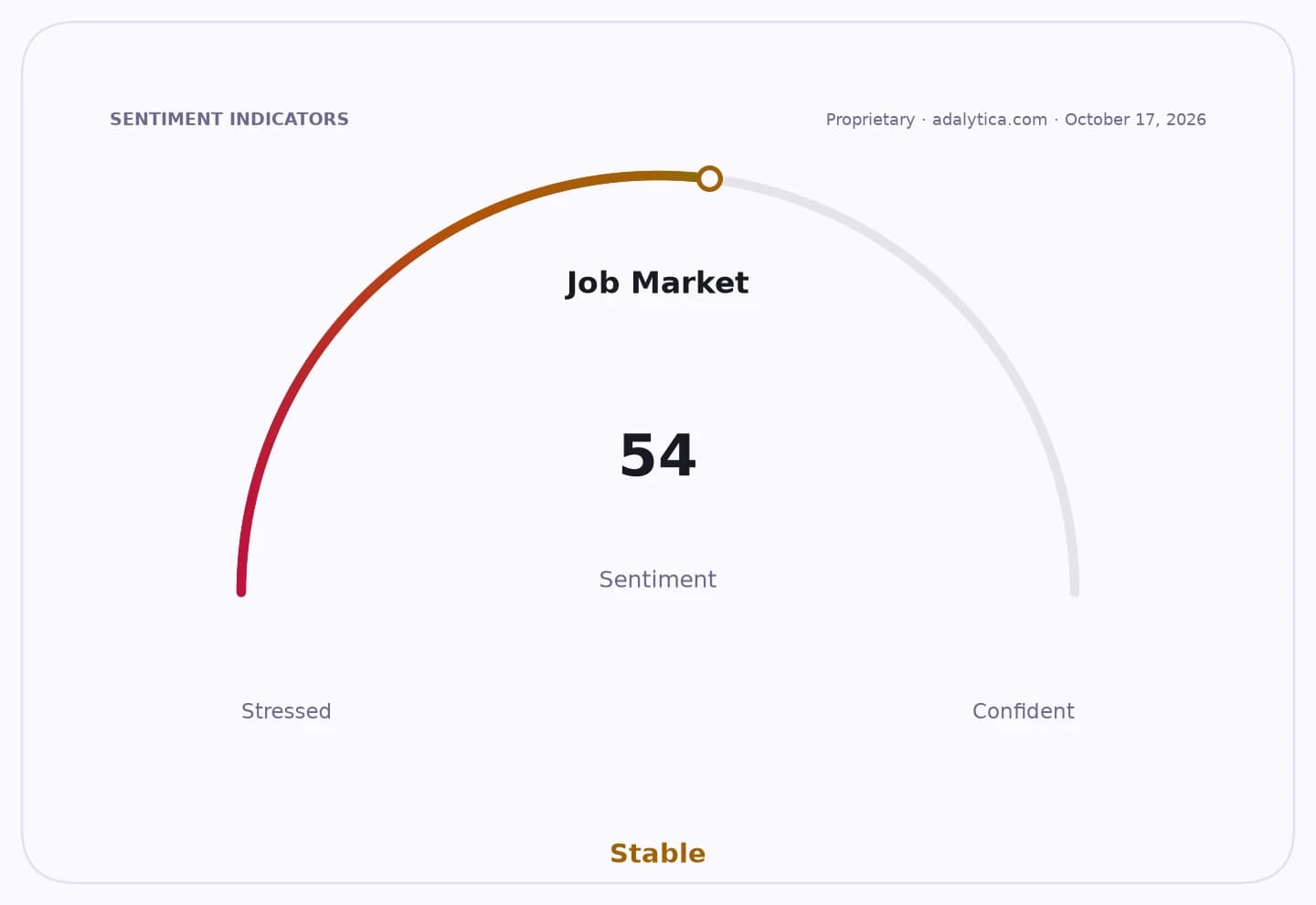
That matters economically because the old bargain — get a diploma, keep a job, stay put — is breaking down. The labor market is pushing people to update skills continuously, and the data suggest they understand it. Interest in “career change” rose to 72,840 searches in September 2026, up 23.7% from a year earlier and more than double the level two years ago. In a separate survey, almost a third of Russians said they plan to change jobs in 2026, while 28% said they already did so in 2025.
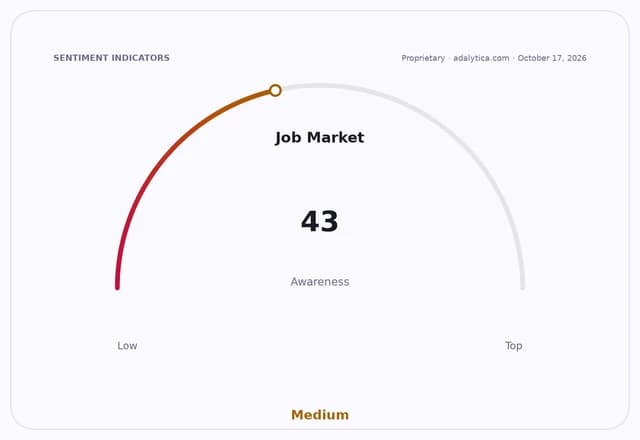
For investors, the takeaway is broader than Russia. Whenever workers conclude that a single career path is no longer enough, demand rises for online education, vocational retraining, software tools that support hiring, and employers that can absorb and redeploy talent quickly. That is exactly the kind of structural change that can reward the best-positioned education and workforce companies while punishing businesses that rely on low turnover and static skill sets.
The most telling detail is how ordinary the idea of switching careers has become. SuperJob says 23% of Russians have changed professions in the past two years, and those who did were twice as likely to be satisfied as dissatisfied. The biggest motivation is money — 55% cited higher pay — but the rest of the picture is just as important. A growing share is chasing development, better work-life balance, more interesting tasks and flexibility. That points to a labor market where workers are choosing mobility, not waiting for it to be forced on them.

The trend is not limited to Moscow or St. Petersburg. Lower-cost regional centers are showing strong interest too, with Nizhny Novgorod leading the country by search interest for “retraining,” ahead of the biggest metros on a relative basis. That suggests the pressure is felt nationwide, especially in cities where local career ladders are narrower and online learning becomes the easiest path to a reset.
The long-term narrative is clear: in an unstable labor market, the most valuable asset is not a job title but adaptability. Workers are increasingly trying to preserve their income and relevance by stacking new skills on top of old experience, rather than starting from zero. That should keep retraining demand alive for years, and it should make employers pay more attention to retention, internal mobility and reskilling. For investors, that means this is not just a social trend — it is a durable theme worth watching, especially in education, training and workforce software.
| Entity | Gains | Losses |
|---|---|---|
| Workers who reskill | ▲Better pay and flexibility | ▼Job stagnation |
| Online education providers | ▲Rising retraining demand | ▼Traditional classroom models |
| Employers with strong internal mobility | ▲Easier retention | ▼High turnover costs |
| Workers stuck in static roles | ▲Little skill growth | ▼Greater displacement risk |