Russian employers are shifting training budgets toward existing staff as more than two-thirds of companies freeze or cut hiring, making corporate education a tool for protecting productivity and retention rather than a discretionary perk.
Russian employers shift training budgets to staff
That is the clearest message from a survey of entrepreneurs and business leaders across sectors including services, real estate, telecoms, banking and restaurants. The pattern is consistent: companies are investing less in broad soft-skills programs and more in hard skills, digital competencies and AI-related capabilities, with many using in-house academies and learning platforms to keep costs down.
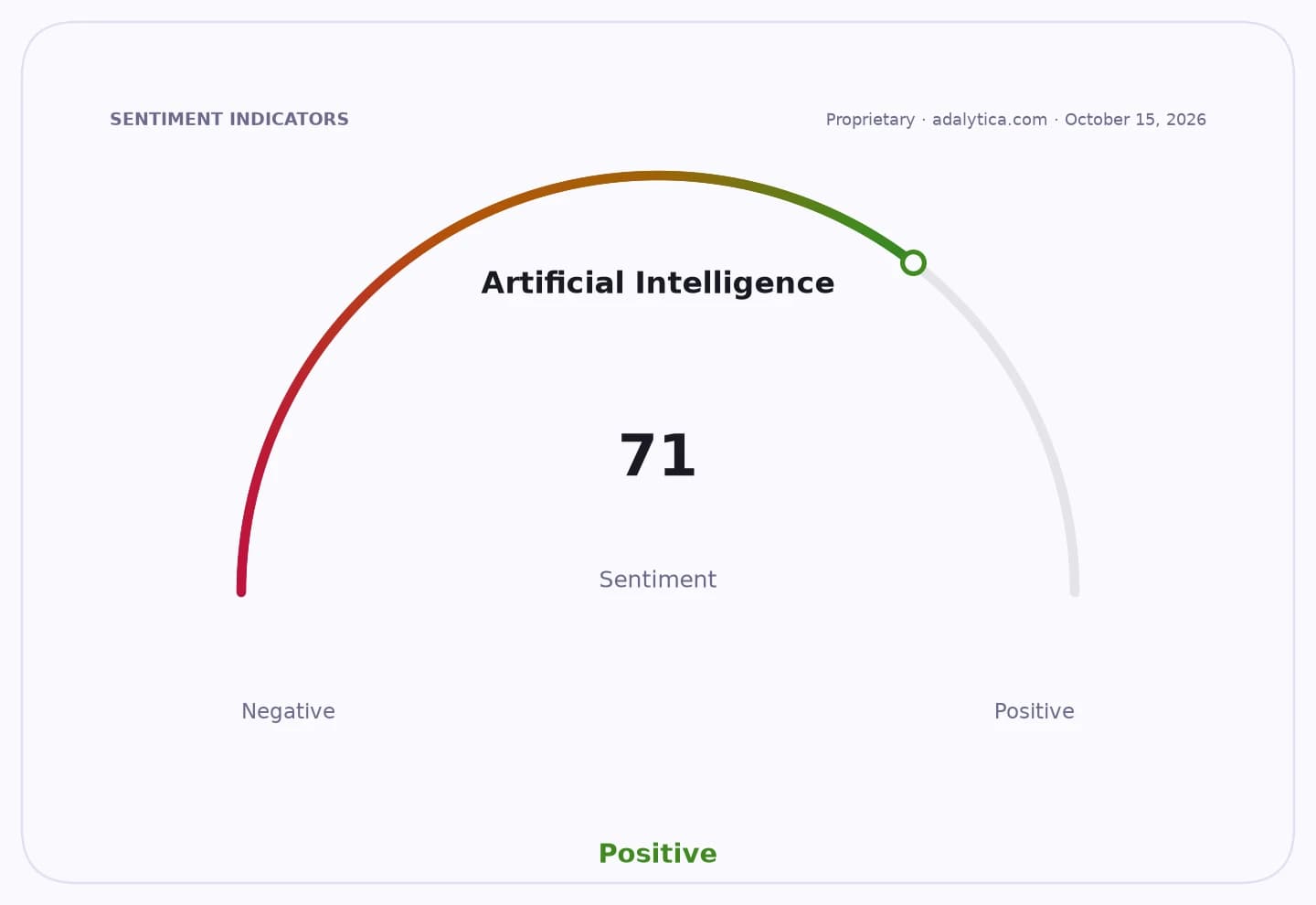
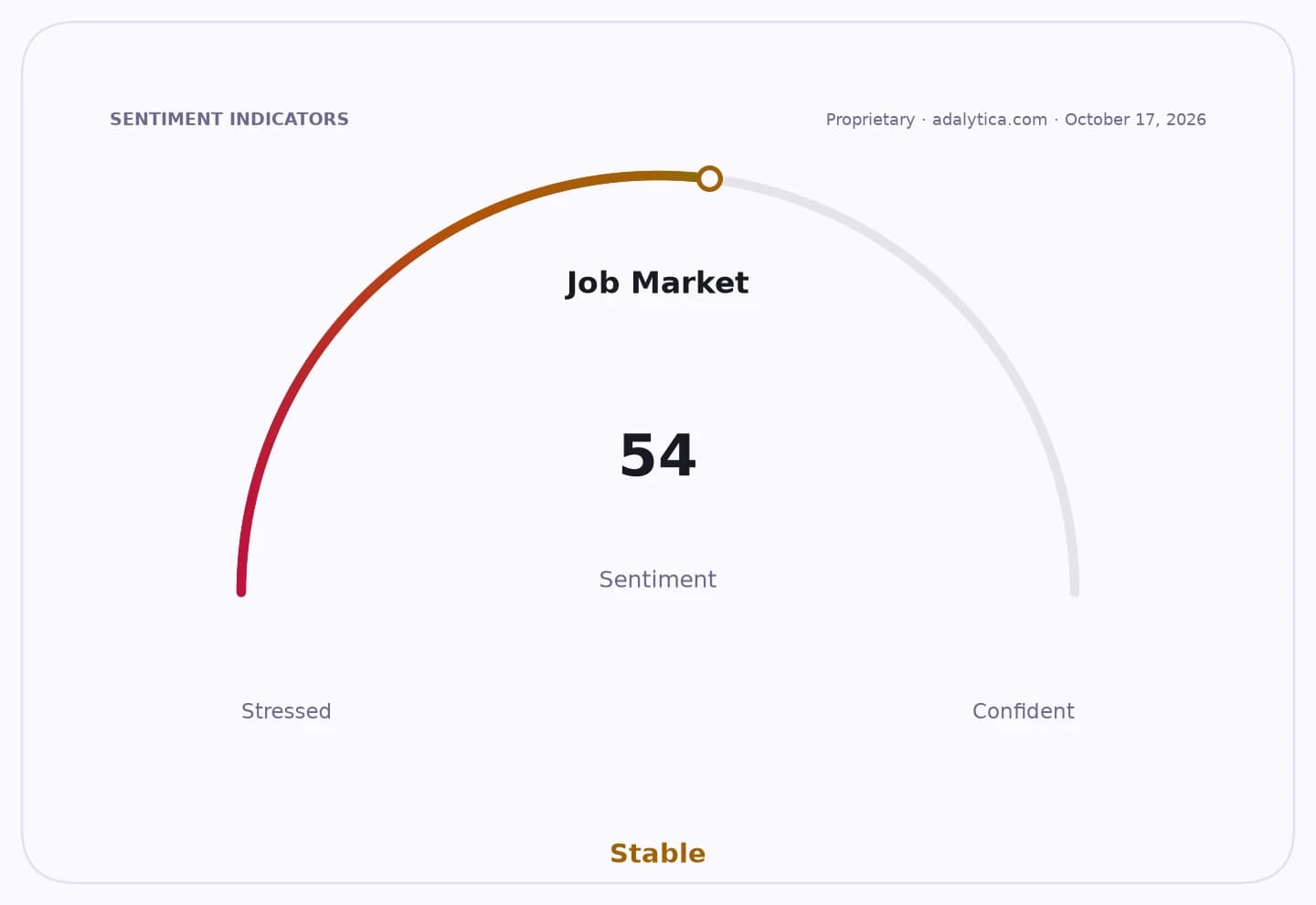
Sentiment IndicatorsⓘProprietary · adalytica.com · October 18, 2026
This is a snapshot — live sentiment, awareness and momentum for 130+ markets update continuously in the dashboard.Open AlphaPulse
The economic logic is straightforward. If companies cannot expand headcount, they have to raise output from the workforce already on the payroll. The survey shows 29% of firms are training staff in professional hard skills and 24% in digital skills, while only 7% focus on soft skills. That suggests employers are prioritizing immediate operational payback over longer-term culture-building or leadership development, a sign that the labor market is forcing businesses to become more selective in how they spend on people.
The trend also reflects a broader change in Russia’s labor market. With hiring slowing, firms are using training to plug skills gaps internally instead of competing for scarce experienced workers. Forty-one percent of respondents say corporate learning improves team performance, and 33% believe it helps keep workers in place and reduce turnover. For investors, that matters because retention is a direct cost issue: replacing staff is expensive, and training can be cheaper than fighting wage inflation in a tight labor market.
The company-level evidence points to a structural upgrade in how employers build capability. ICL Services said its training unit is focused on management skills and AI transformation, with more than 200 courses available through an internal platform. Ak Bars Dom said nearly half its staff passed through corporate university programs, while MegaFon said it now offers more than 2,500 development programs and uses AI tools as trainers and mentors. At Atalar, the restaurant holding, the budget for training and platforms is about 1.5 million rubles this year, underscoring that even smaller employers are formalizing learning rather than treating it as ad hoc spending.
The common theme is the same across sectors: training is becoming part of the operating model. Banks say mandatory compliance and regulatory changes still drive much of the spending, while developers and service companies are using learning systems to standardize processes and respond faster to technological change. That favors firms with internal academies, learning management systems and a clear link between training and business metrics.
For investors, the implication is twofold. First, companies that can raise productivity through internal training may be better insulated from labor shortages and wage pressure. Second, vendors tied to corporate learning, digital education and workforce software stand to benefit if employers continue shifting spending from recruitment to development. The risk is that some of this spending remains cyclical and can be trimmed if margins come under pressure, especially in consumer-facing businesses.
The next question is whether the current wave of training investment turns into a lasting productivity strategy or just a defensive response to a weak labor market. If hiring stays constrained and AI adoption deepens, the case for corporate education strengthens. If economic conditions deteriorate further, however, even training budgets could come under scrutiny, especially at firms that still see it as a cost center rather than a core investment.
| Entity | Gains | Losses |
|---|---|---|
| Employers with training systems | ▲Higher productivity, better retention | ▼Higher near-term spending |
| Employees with upskilling access | ▲Better career mobility, employability | ▼Less time for immediate work |
| HR tech and learning vendors | ▲More demand for platforms and courses | ▼Traditional recruitment firms |
| Firms that cut training | ▲Short-term cost savings | ▼Weaker skills, higher turnover |