Russia is moving to make artificial intelligence a mandatory part of every higher-education program from 2027, a policy shift that could reshape the country’s graduate workforce and widen the reach of AI adoption across the economy.
Russia to require AI in university programs from 2027
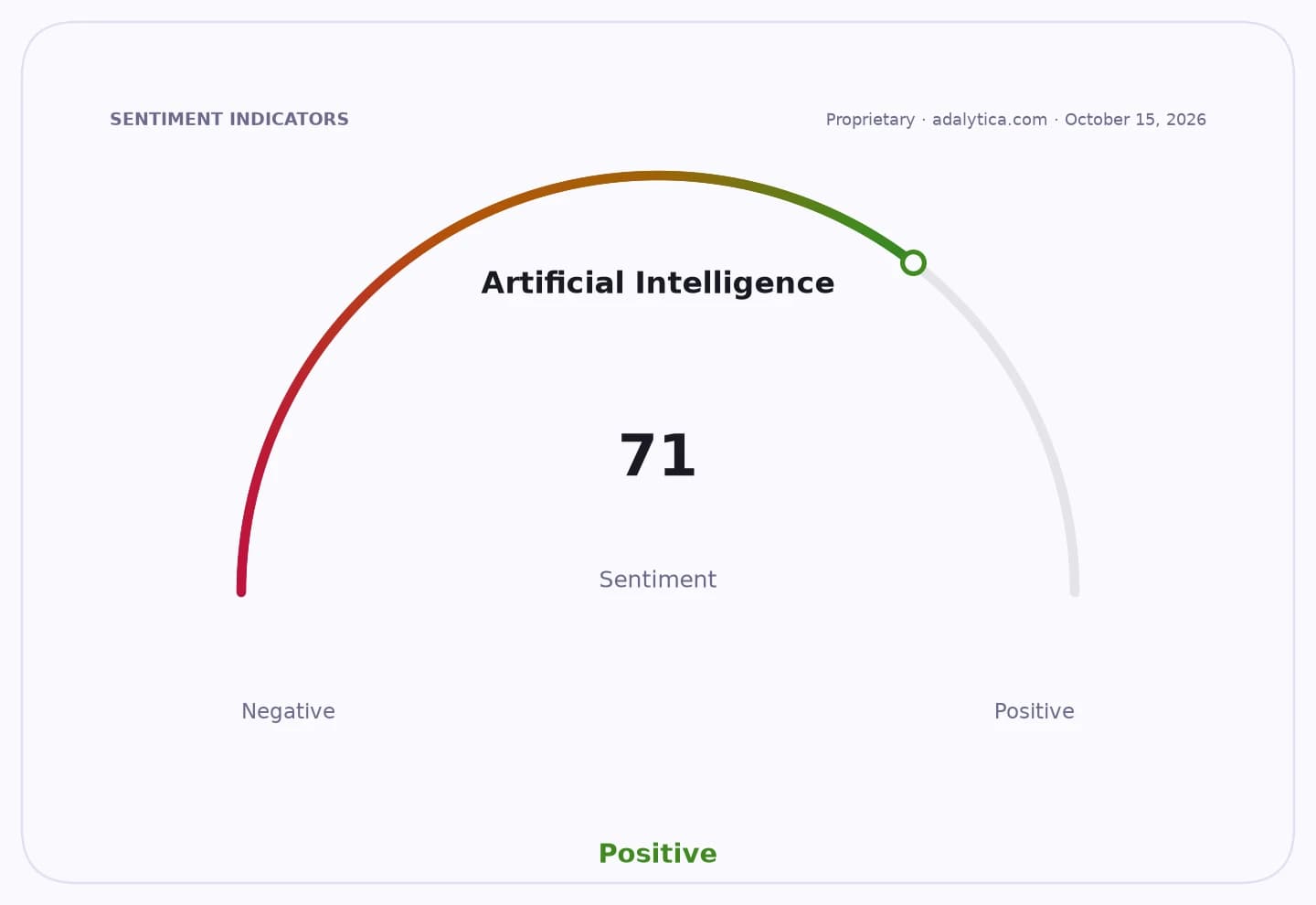
That matters because curriculum changes at this scale are not just about classrooms. They are a signal that Moscow wants AI literacy to become a baseline skill for engineers, managers, teachers and researchers, not a niche specialty. In a labor market increasingly shaped by automation, data analysis and generative AI, countries that embed these tools into universities early are trying to protect competitiveness later.
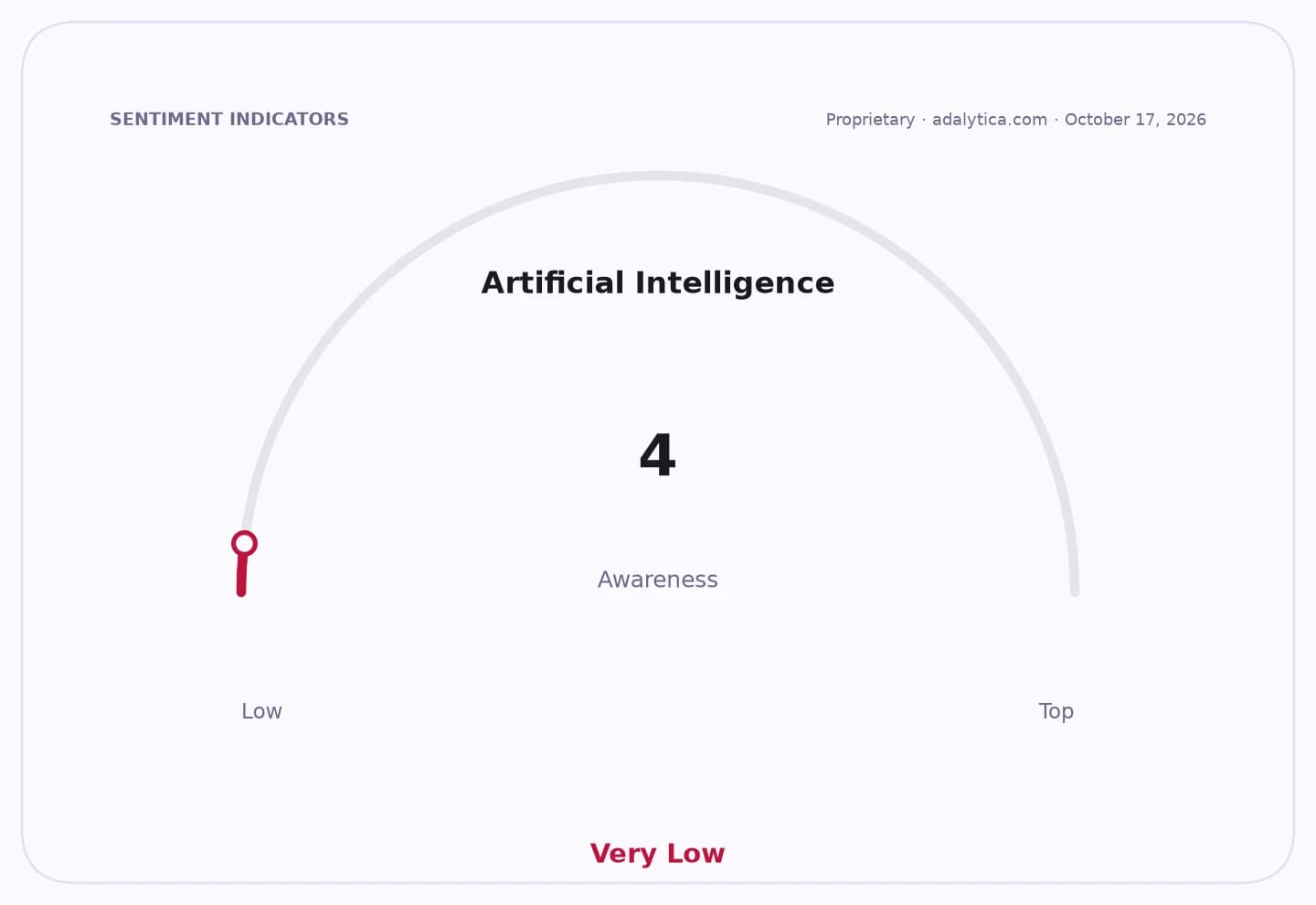
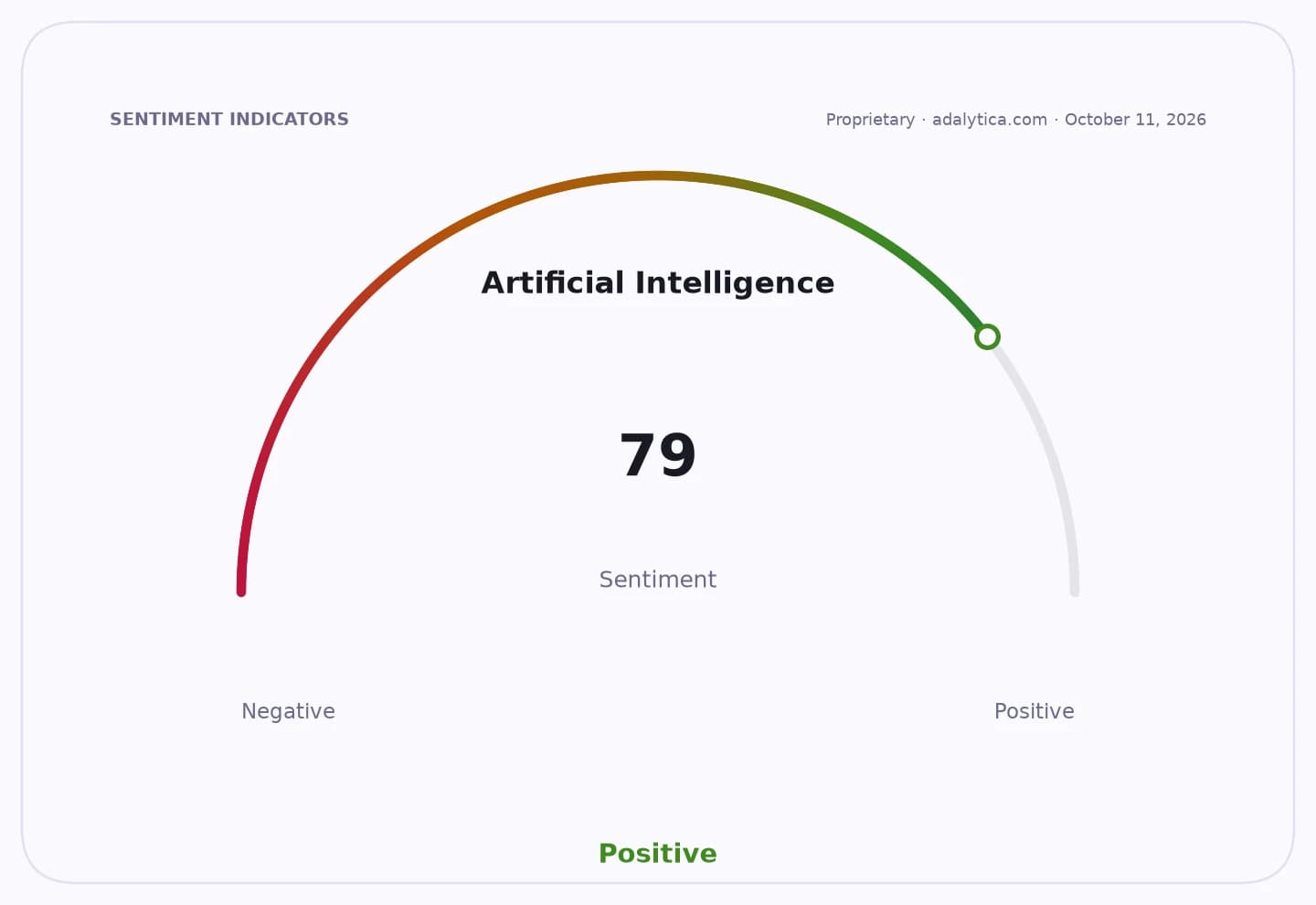
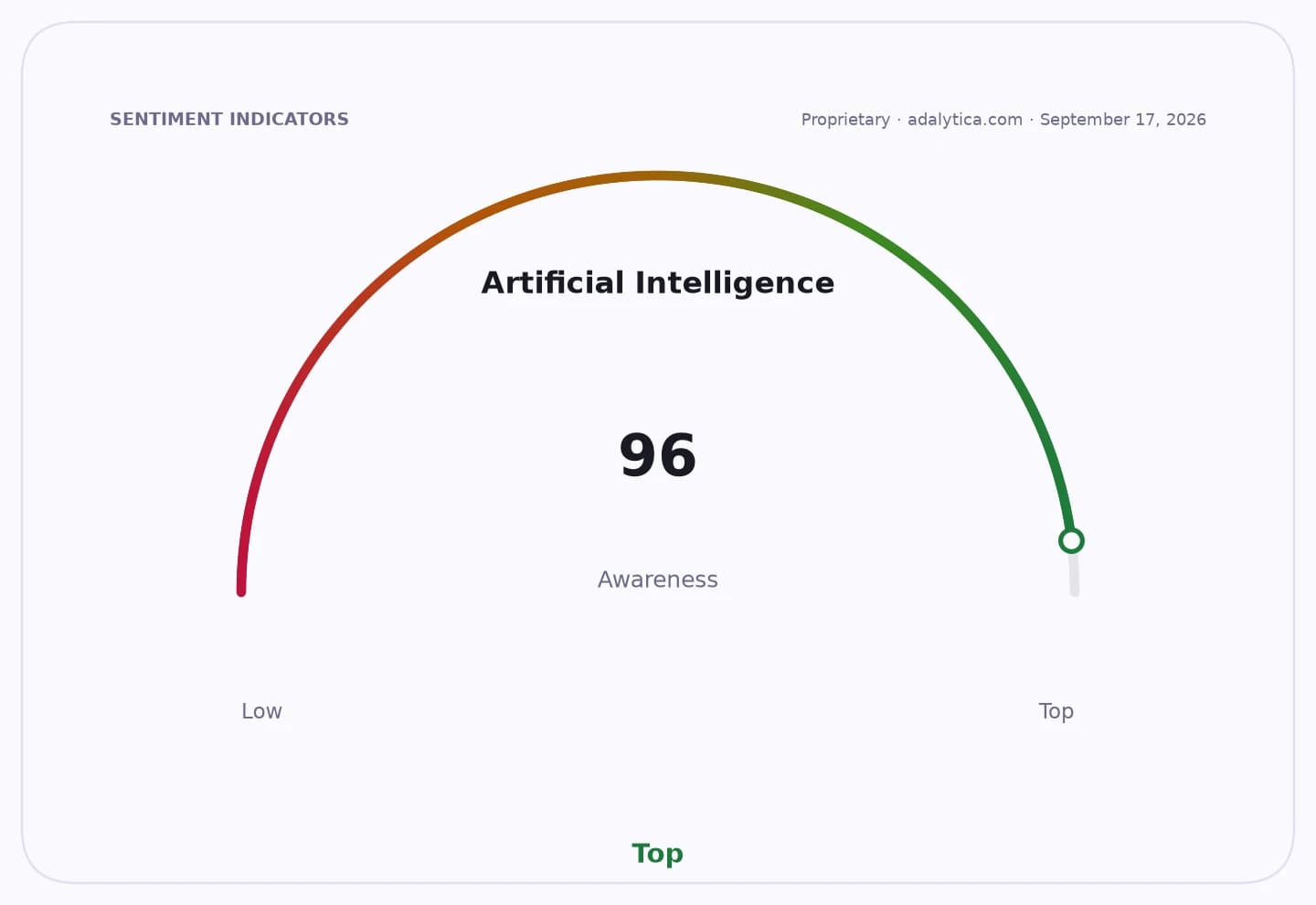
Sentiment IndicatorsⓘProprietary · adalytica.com · October 15, 2026
This is a snapshot — live sentiment, awareness and momentum for 130+ markets update continuously in the dashboard.Open AlphaPulse
Education minister Valery Falkov said the government has already introduced AI modules into 1,433 university programs, with the next step being a nationwide rollout. The move follows a similar push in school education, where the Ministry of Education plans to introduce an AI and information security course in all schools from January 2027, after pilots began for grades 5-11 in selected schools during the 2026/27 academic year.
For investors, the key takeaway is that AI demand is no longer being driven only by private-sector spending from cloud providers, chipmakers and software companies. Governments are now helping create the future labor pool that will use those products. That is a long-duration positive for the broader AI stack, from semiconductor suppliers to enterprise software vendors that sell training, workflow automation and development tools.
It also reinforces a broader pattern: AI is becoming infrastructure. Just as internet literacy became a standard expectation over time, AI familiarity is turning into a prerequisite for participation in modern industry. For companies building the tools behind that shift, the opportunity is not one product cycle but years of recurring usage as students carry these skills into the workplace.
There are limits, of course. Curriculum mandates do not guarantee deep proficiency, and education systems often move more slowly than technology. But the direction is clear. Governments are treating AI not as an optional elective, but as a core competency, which should support continued investment in the companies enabling the technology.
For long-term investors, that makes AI adoption one of the most durable themes in the market. The countries and institutions that build talent pipelines now are laying groundwork for future productivity gains, and that is ultimately what sustains earnings growth. Worth watching for anyone building a years-long AI portfolio.
| Entity | Gains | Losses |
|---|---|---|
| Russian universities | ▲Modernized curricula | ▼Legacy course structures |
| Students | ▲AI and digital skills | ▼Purely traditional training |
| AI software and cloud vendors | ▲Broader future adoption | ▼Slower institutional uptake |
| Traditional labor models | ▲— | ▼Routinized tasks and skills demand |