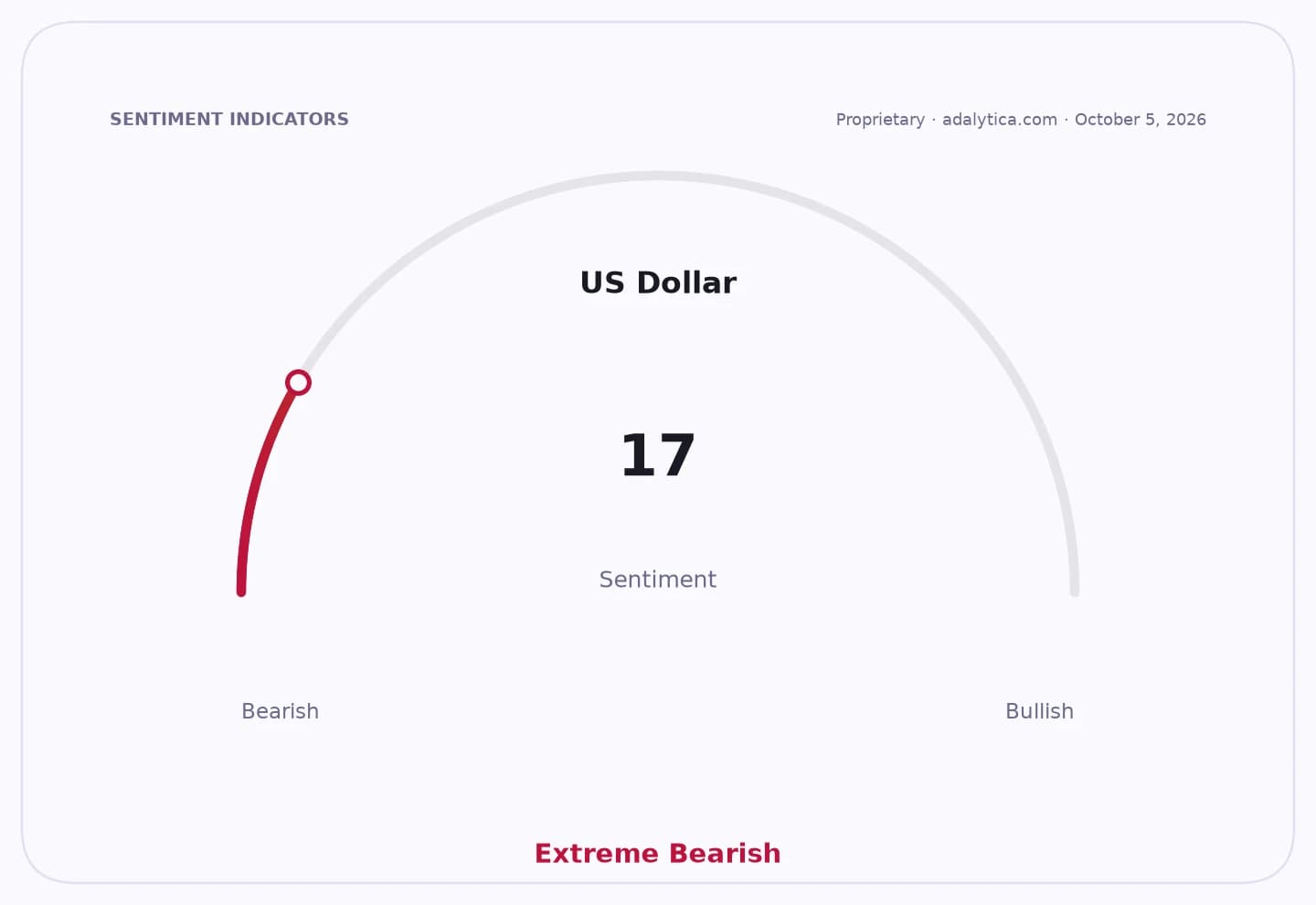
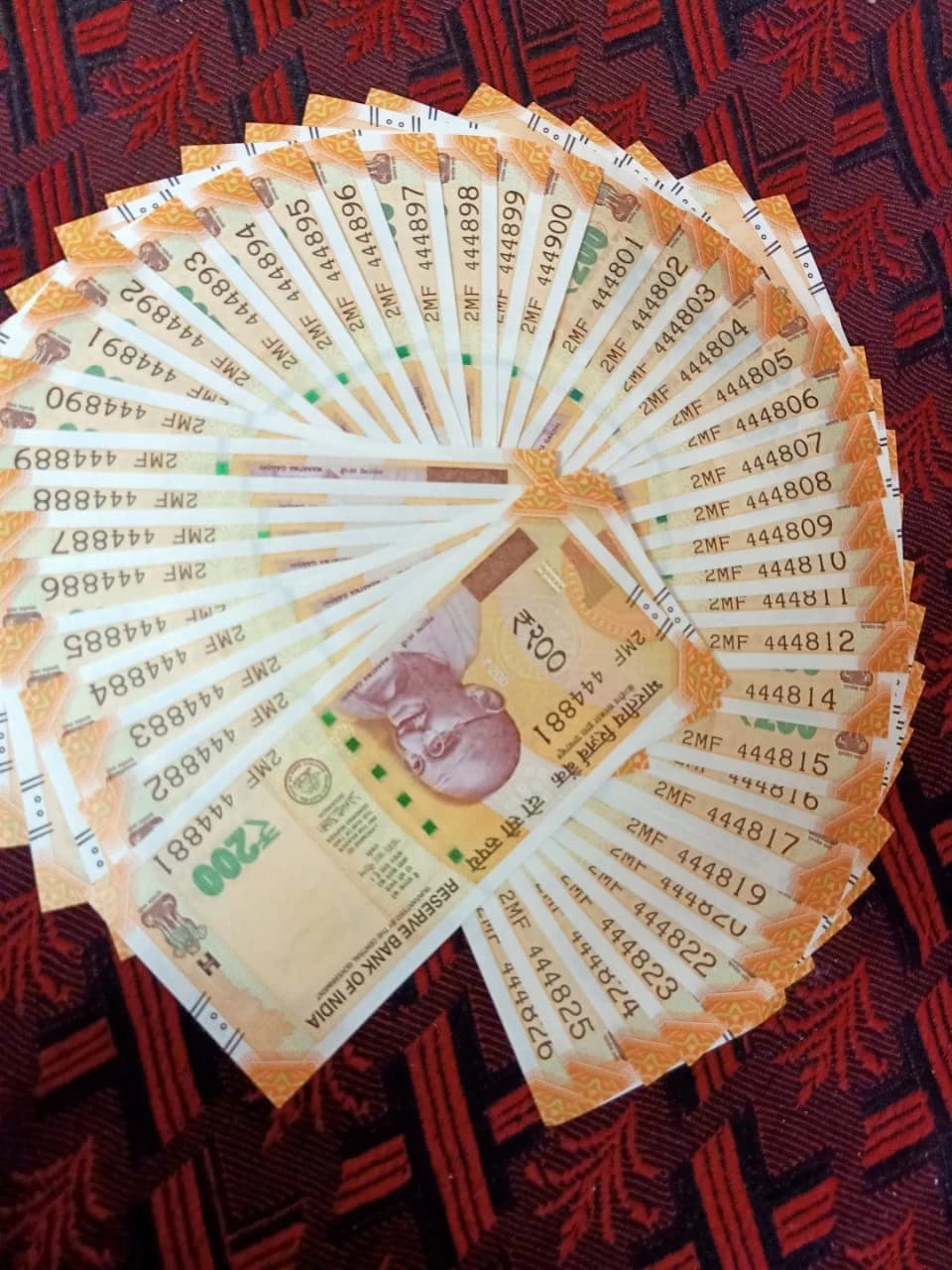
The rupee slipped to a record-weak 94.92 against the US dollar, underscoring how India’s currency remains under pressure even as broader dollar gauges soften and prompting traders to focus on the Reserve Bank of India’s tolerance for further depreciation.
Rupee Falls to Record 94.92 Against US Dollar
The 3-paise decline may look small in isolation, but it extends a pattern that matters for inflation, imported fuel costs and foreign capital flows. For the central bank, a weaker rupee can cushion exporters and support nominal growth, but it also raises the local-currency cost of oil, electronics and other imports, complicating efforts to keep price pressures contained.
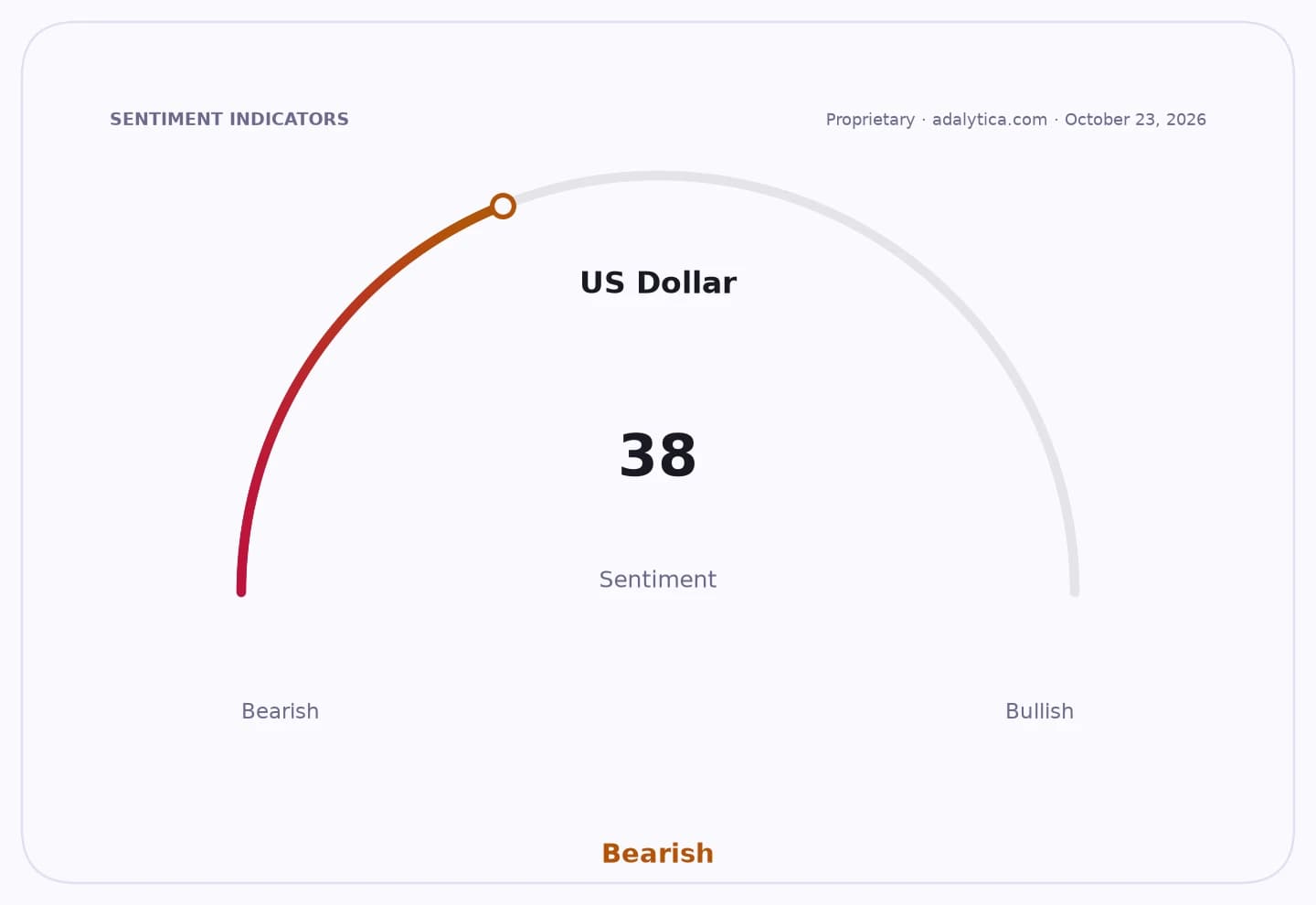
Sentiment IndicatorsⓘProprietary · adalytica.com · October 23, 2026
This is a snapshot — live sentiment, awareness and momentum for 130+ markets update continuously in the dashboard.Open AlphaPulse
The move came despite a backdrop of generally softer dollar sentiment. Adalytica’s US Dollar Trade Signals showed neutral sentiment at 38, while its awareness reading was at an “extreme fear” level of 4, suggesting traders were not aggressively positioned for dollar strength. But that has not been enough to translate into sustained rupee stability, implying that domestic demand for dollars, external outflows or hedging activity are still outweighing any relief from the global currency backdrop.
The rupee’s slide also fits a broader theme in emerging markets: local currencies can lag even when the dollar eases if investors remain cautious on growth, rates or external balances. That makes the RBI’s next steps important. Intervening too forcefully would burn reserves and potentially tighten domestic liquidity; doing too little risks allowing imported inflation to reaccelerate. The central bank has already signaled that a weaker rupee is not automatically negative, but the trade-off becomes sharper as depreciation deepens.
For investors, the immediate implications are sector-specific. Import-heavy companies, from oil refiners to consumer electronics makers, face margin pressure if the currency weakens further. Exporters, by contrast, get some translation support, though that benefit is often offset if global demand is soft. Domestic bond and equity markets will also watch whether currency losses spill into inflation expectations and delay any policy easing.
The key question now is whether 94.92 becomes a waypoint or a floor. If the dollar’s global rally remains muted, the rupee’s path will likely be driven by RBI intervention and India’s balance of payments dynamics rather than overseas currency moves alone. A steeper drop would raise the stakes for policymakers and put renewed focus on how much depreciation the economy can absorb without jeopardizing inflation control.
| Entity | Gains | Losses |
|---|---|---|
| Exporters | ▲Better rupee receipts | ▼Less price certainty |
| Importers | ▲None | ▼Higher input costs |
| RBI | ▲Flexibility to support growth | ▼Harder inflation fight |
| Consumers | ▲None | ▼Costlier imports and fuel |