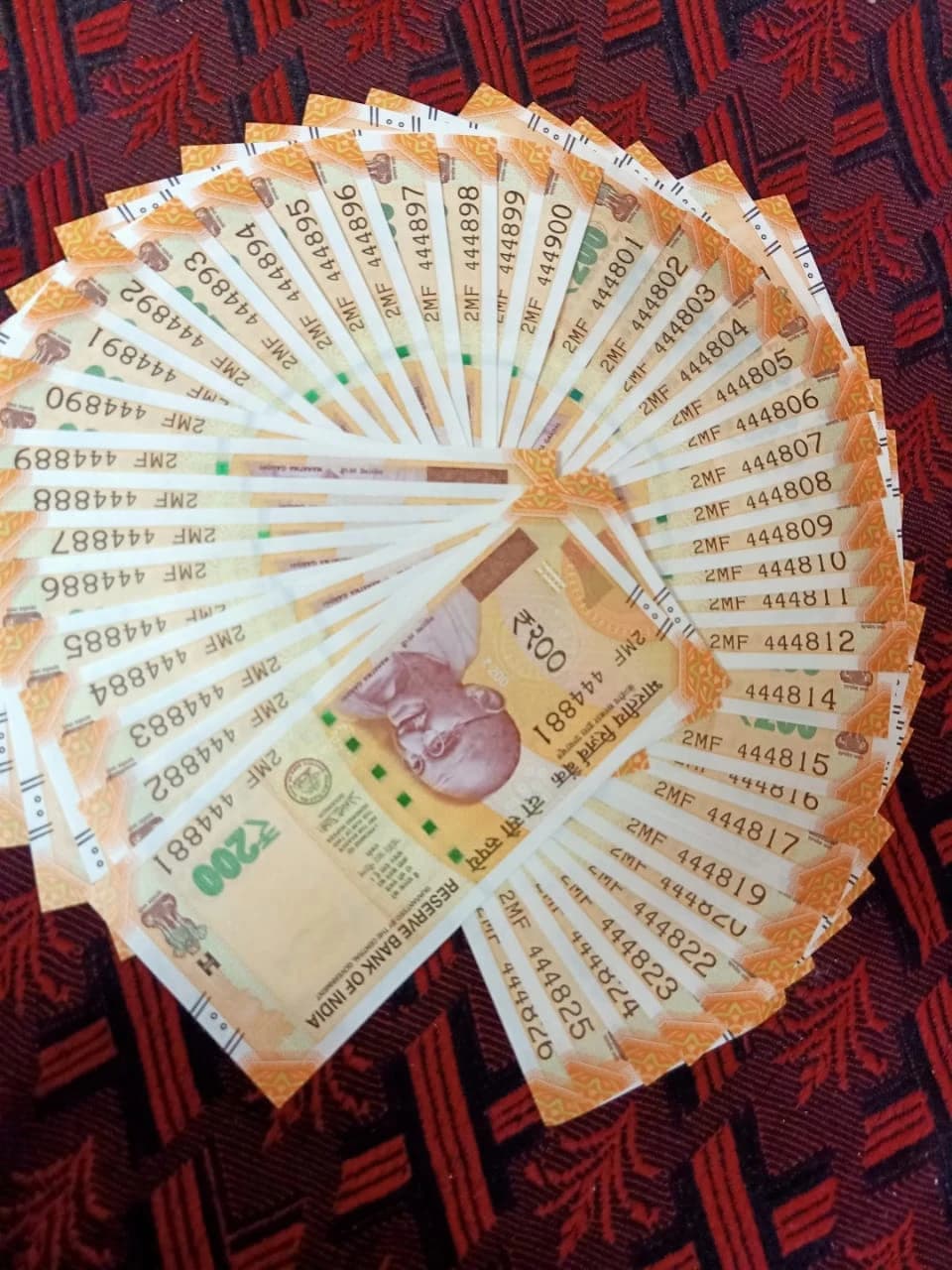
The Indian rupee traded in a tight range around 96 to the dollar on Monday, with the central bank’s dollar sales helping to slow the pace of decline even as high crude prices and foreign selling kept pressure on the currency.
Rupee Nears 96 as RBI Defends Currency
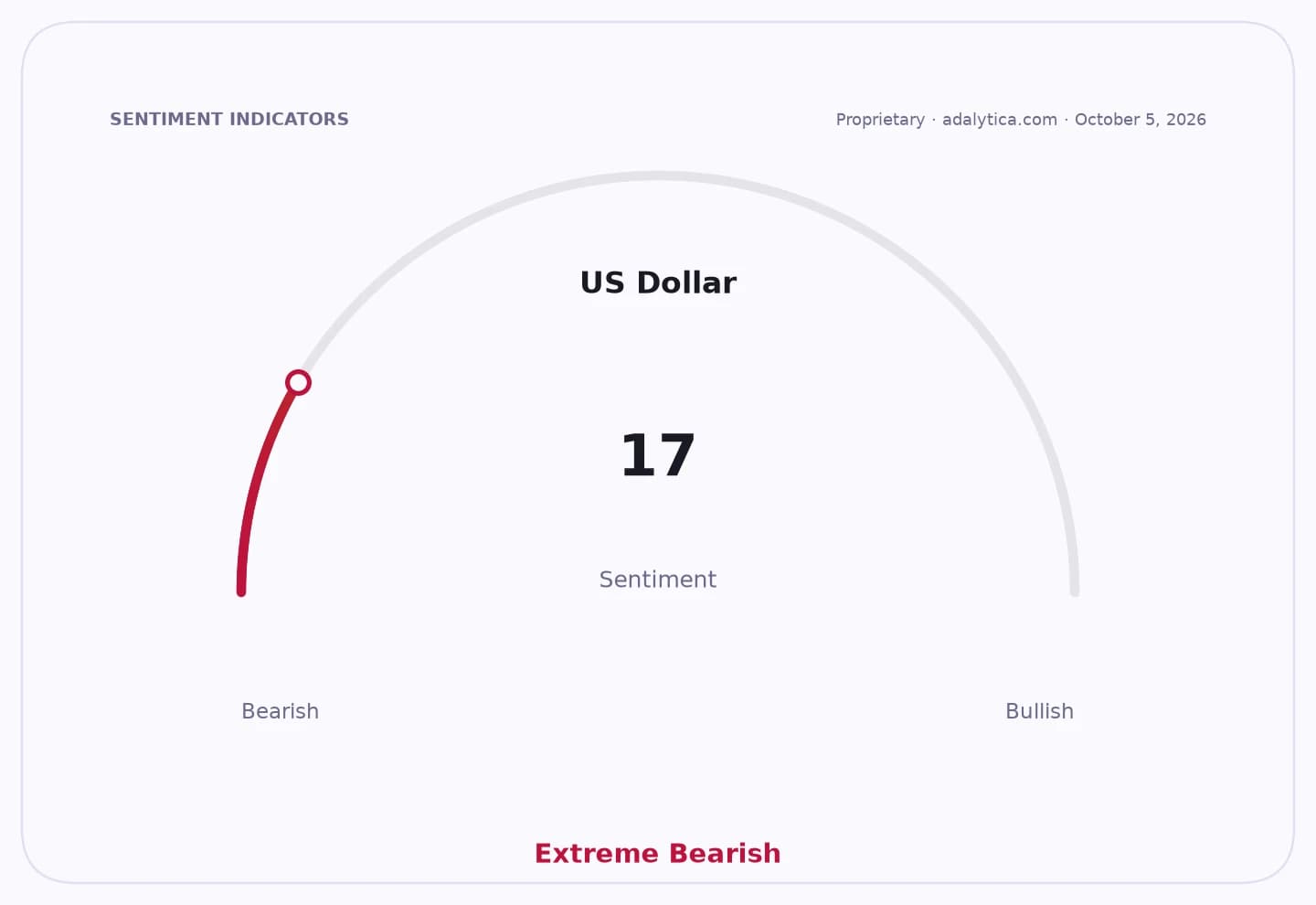
That matters because the rupee’s slide is no longer a one-off move driven by a single risk event. It is increasingly a macro story about India’s external balance: a bigger import bill from oil, persistent portfolio outflows and a central bank spending reserves to cushion volatility. For investors, that combination raises the odds of further FX weakness, tighter domestic financial conditions and more uncertainty around equity inflows.
Sentiment IndicatorsⓘProprietary · adalytica.com · October 5, 2026
This is a snapshot — live sentiment, awareness and momentum for 130+ markets update continuously in the dashboard.Open AlphaPulse
The currency opened at 96.20 and slipped to 96.26 in early trade, leaving it near the psychologically important 96 level after closing at 96.25 on Thursday, its weakest in more than two months. Traders said the Reserve Bank of India stepped in periodically to prevent sharper intraday losses, a sign the central bank is still managing the pace of adjustment even if it is not trying to reverse the broader trend.
The market backdrop remains hostile. Brent crude was still above $101 a barrel even after easing on the day, keeping pressure on India’s import costs. The dollar index was firmer at 102.47, reflecting renewed strength in the greenback, while foreign institutional investors sold Rs 9,484.22 crore of Indian equities on Thursday alone. That persistent outflow is important because portfolio money is one of the quickest channels through which global risk aversion hits the rupee.
Reserve data underline the cost of defence. India’s foreign exchange reserves fell $18.343 billion to $747.557 billion in the week ended Sept. 25, the sharpest weekly drop cited in the data and a sign the RBI has been using its balance sheet to slow the move. Traders said that reserve loss reflects the scale of intervention, even though the central bank’s actions have so far prevented disorderly trading rather than engineered a sustained rebound.
The immediate policy focus is Wednesday’s RBI meeting, where most economists expect a 25-basis-point hike to 5.50%. A rate increase would support the rupee at the margin by narrowing the interest-rate differential and reinforcing policy credibility, but it would not by itself offset a strong dollar, oil above $100 and foreign selling. That is why the market is likely to stay range-bound but biased weaker unless crude eases or portfolio flows stabilize.
Technically, the rupee’s recent move above its 50-day moving average has not changed the broader picture of a currency under pressure. The trade is being driven less by chart levels than by macro fundamentals: energy prices, US yields, the pace of Fed easing expectations and the RBI’s tolerance for reserve depletion. If oil holds near current levels and outflows persist, the 96 mark may prove more of a waypoint than a ceiling.
| Entity | Gains | Losses |
|---|---|---|
| RBI | ▲Slower volatility | ▼Higher reserve use |
| Importers of oil | ▲Currency smoothing | ▼Higher hedging costs |
| Foreign sellers of Indian assets | ▲Dollar strength | ▼Rupee weakness |
| Indian equities | ▲Support from intervention | ▼Outflow pressure |