Russia will open 10 border polling stations in regions adjoining Poland and the Baltic states for citizens living in so-called unfriendly countries, a move that makes voting abroad easier for Russians but also underscores how strained relations with Europe are reshaping even the mechanics of an election.
Russia opens border polling stations for 2026 vote

The Central Election Commission said the sites will be set up in Kaliningrad, Pskov and Leningrad regions for the September 2026 State Duma vote, after a similar arrangement was used in the 2024 presidential election. Officials said the format proved useful when Russian diplomatic missions faced obstacles organizing voting in parts of Europe, and about 10,000 people were able to cast ballots that way last year.
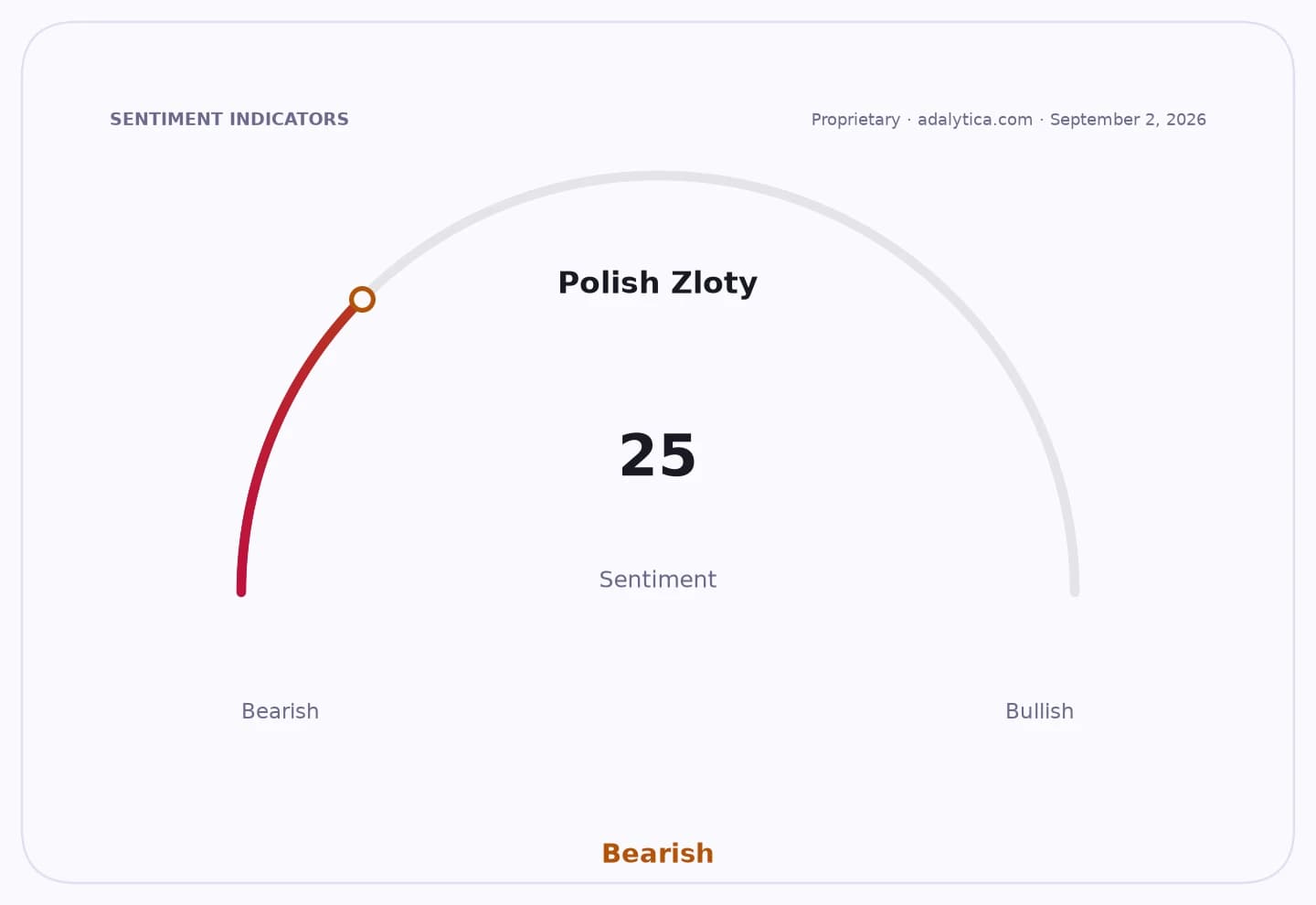
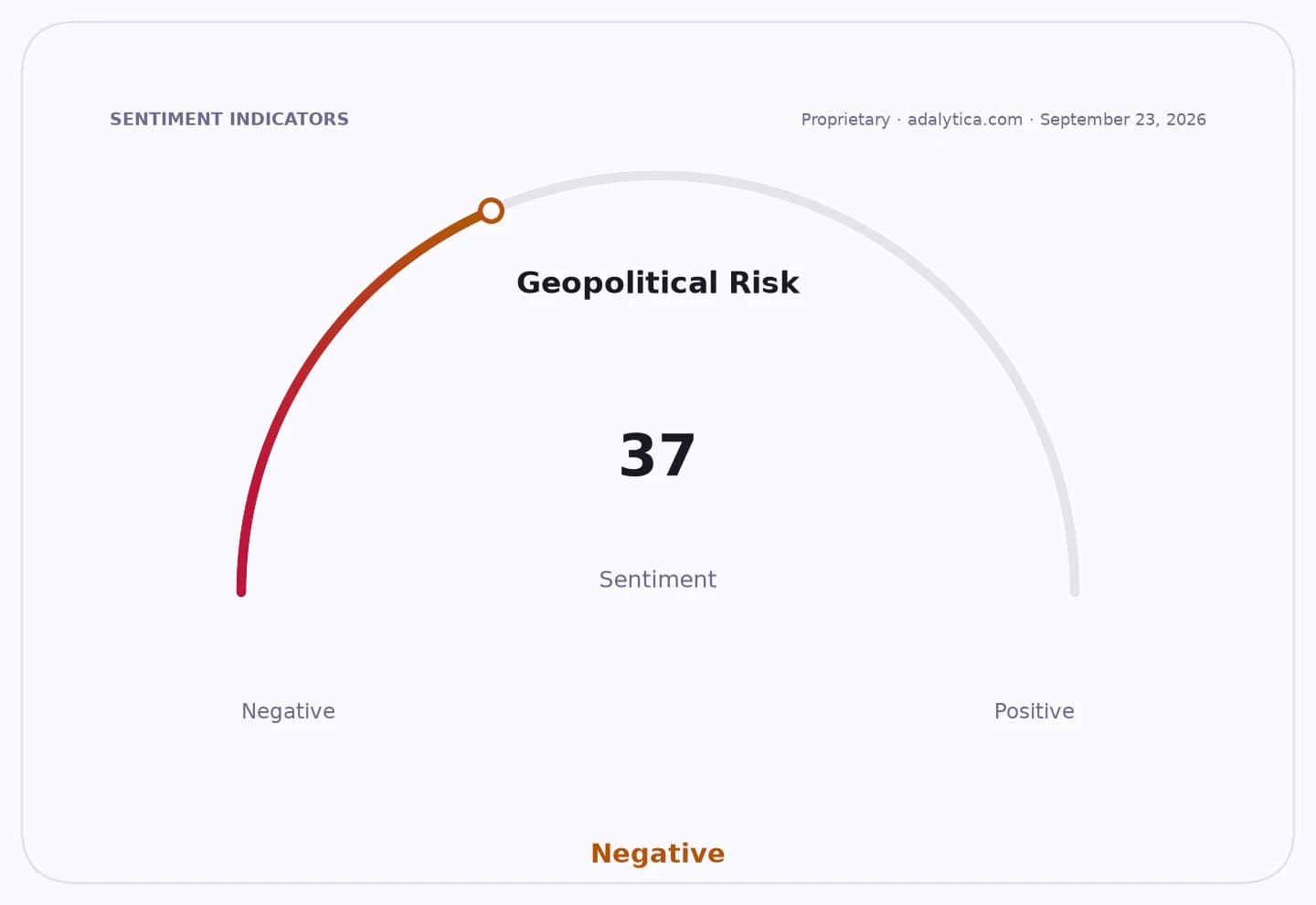
Sentiment IndicatorsⓘProprietary · adalytica.com · September 5, 2026
This is a snapshot — live sentiment, awareness and momentum for 130+ markets update continuously in the dashboard.Open AlphaPulse
The decision matters economically and politically because it shows how cross-border frictions are now affecting the basic administration of a major federal election. For Russia, keeping expatriate turnout from collapsing helps preserve the appearance of participation and state legitimacy at a time when the government is trying to demonstrate institutional continuity despite sanctions, travel restrictions and the broader rupture with the EU. For voters, the border-crossing option is a workaround that reduces the need to rely on Russian embassies and consulates, which authorities say have become difficult venues for voting.
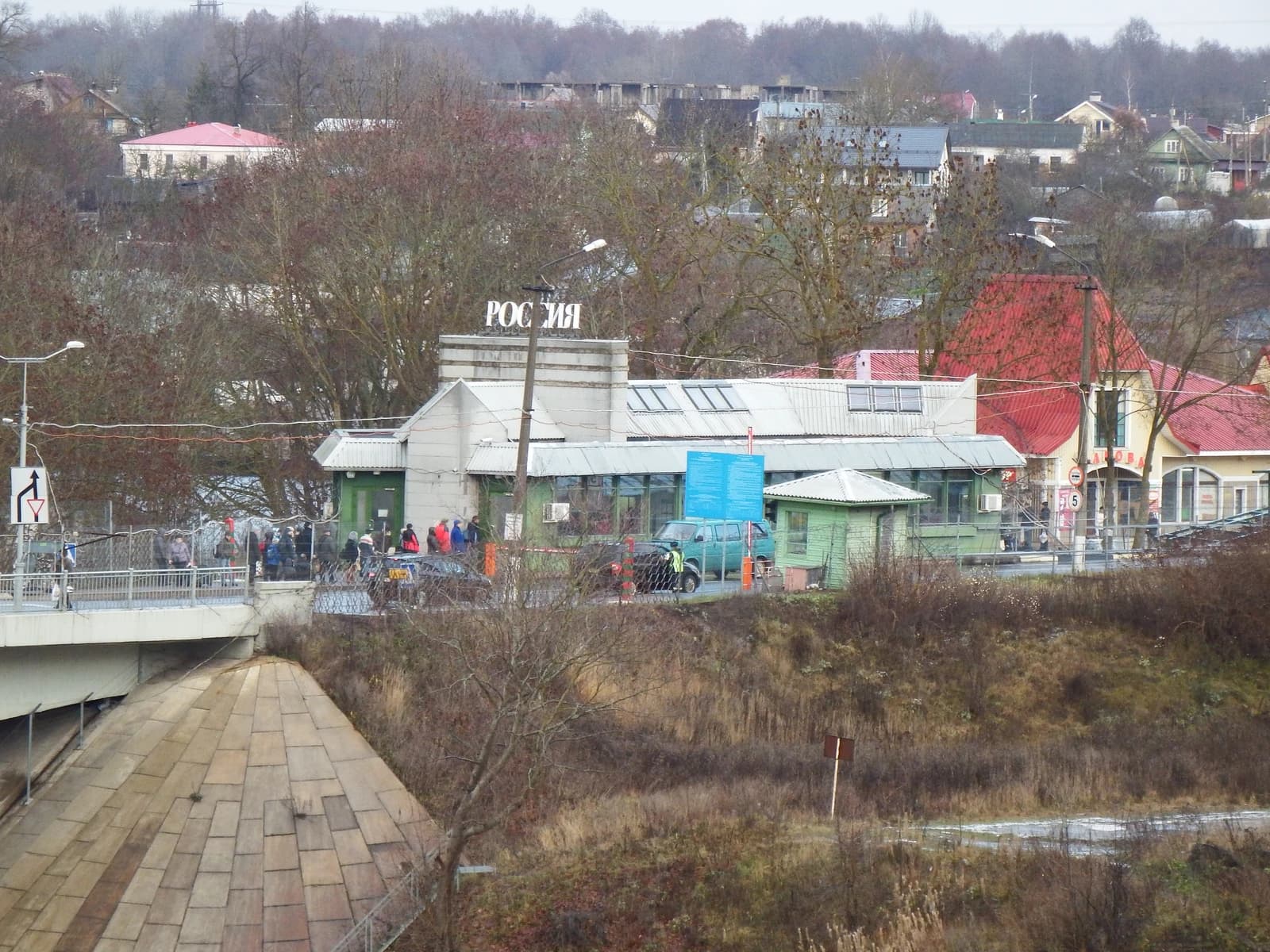
Most of the 10 sites will be in Pskov region, with four in Kaliningrad and one in Leningrad region at Ivanгород, near the Ivanгород–Narva crossing to Estonia. The locations are not random: they sit on Russia’s western edge, where border controls and diplomatic tensions are most acute, and where access from the EU side is still possible for Russians willing to travel.
The political logic is clearer than the arithmetic. Ten thousand ballots is not enough to move the result in a national election, but the Kremlin is signaling that it can still provide voting access for citizens outside the country even as European governments tighten scrutiny. That may play well with domestic audiences and with Russians living in Germany, Poland and the Baltics who remain connected to the system.
For investors, the direct market impact is limited, but the story is another reminder that Russia’s relations with Europe remain structurally degraded, with consequences for mobility, consular services and border operations. Those frictions matter indirectly for regional sentiment, trade links and the policy backdrop around Russian assets, especially anything tied to cross-border flows or the western frontier.
The broader takeaway is that Russia is using border voting as both a practical fix and a political statement: if embassies abroad are constrained, the state will bring the ballot box to the border. The arrangement is likely to be watched less for its tally than for what it says about the durability of Russia’s electoral process and the depth of its separation from Europe.
| Entity | Gains | Losses |
|---|---|---|
| Russian authorities | ▲Higher expatriate turnout | ▼Dependence on contested foreign venues |
| Russian citizens in Europe | ▲Easier access to vote | ▼Need to travel to border crossings |
| EU governments | ▲Stricter oversight of Russian voting | ▼Added pressure at border points |
| Opposition critics | ▲Little to gain | ▼Fewer barriers to state-managed turnout |