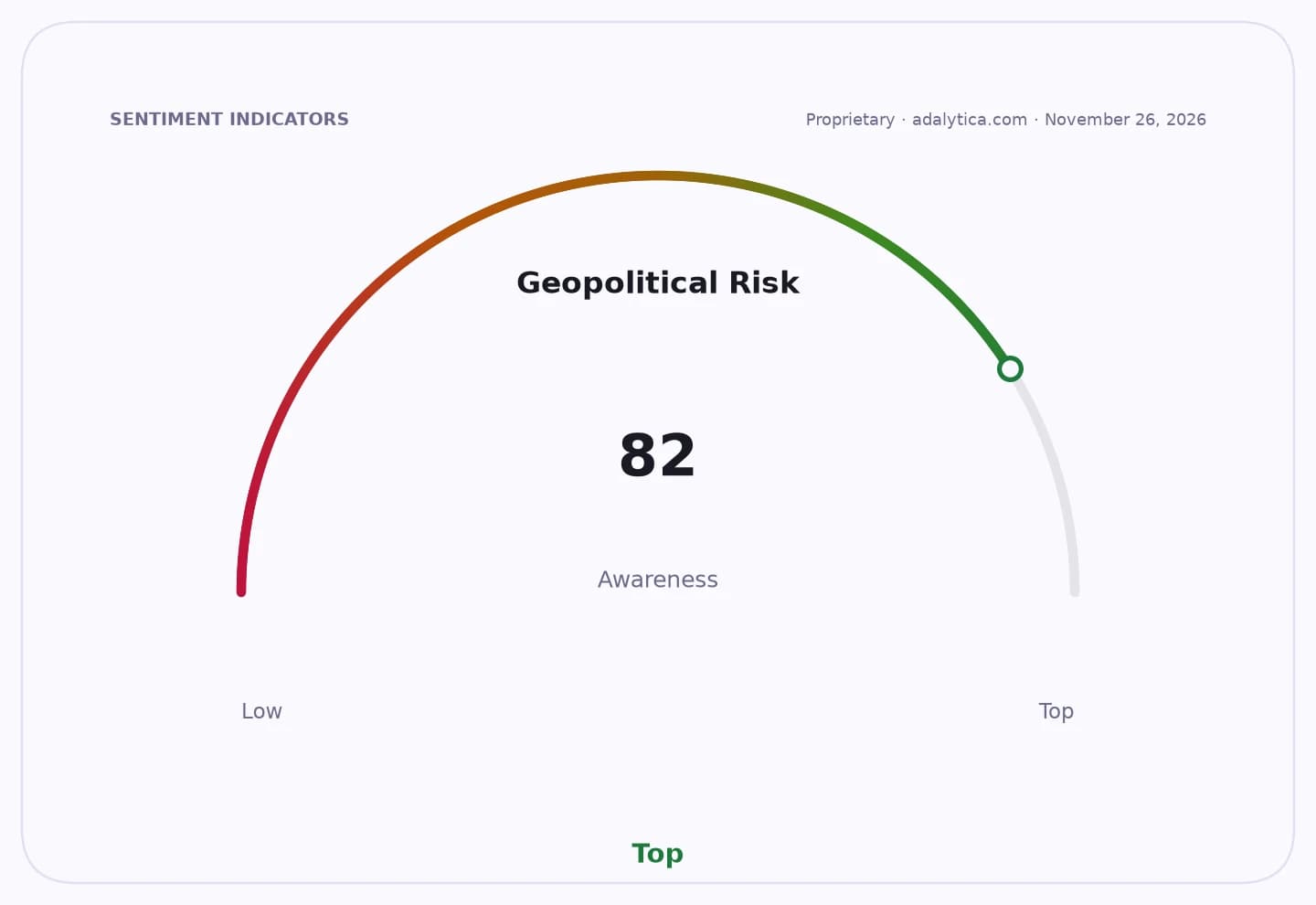
Russia’s central bank lowered its official foreign exchange rates on Saturday, underscoring continued management of a currency that remains sensitive to capital flows, sanctions and energy revenues even as the ruble stays close to 82 against the US dollar.
Russia Central Bank Cuts Dollar Reference Rate
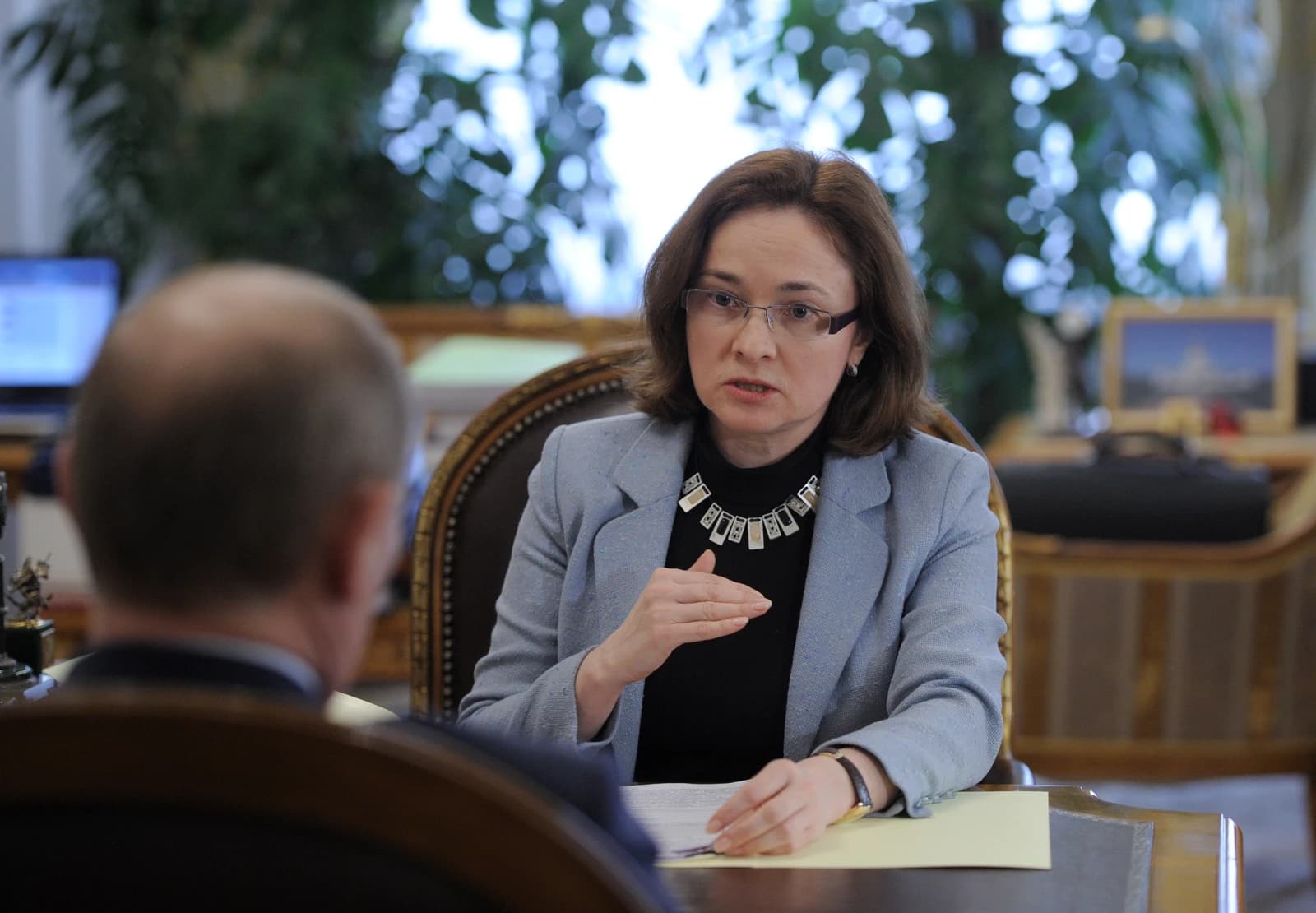
The Bank of Russia cut the dollar reference rate by 26 kopecks to about 82.2 rubles, reduced the euro rate by 48 kopecks to 90.3 rubles and trimmed the yuan rate by 2.3 kopecks to 12.3 rubles. While the moves are small, the official fixing remains an important benchmark for trade settlement, corporate accounting and public-sector budgeting in an economy where foreign-exchange access is constrained and the central bank’s policy stance carries outsized weight.
Sentiment Indicators
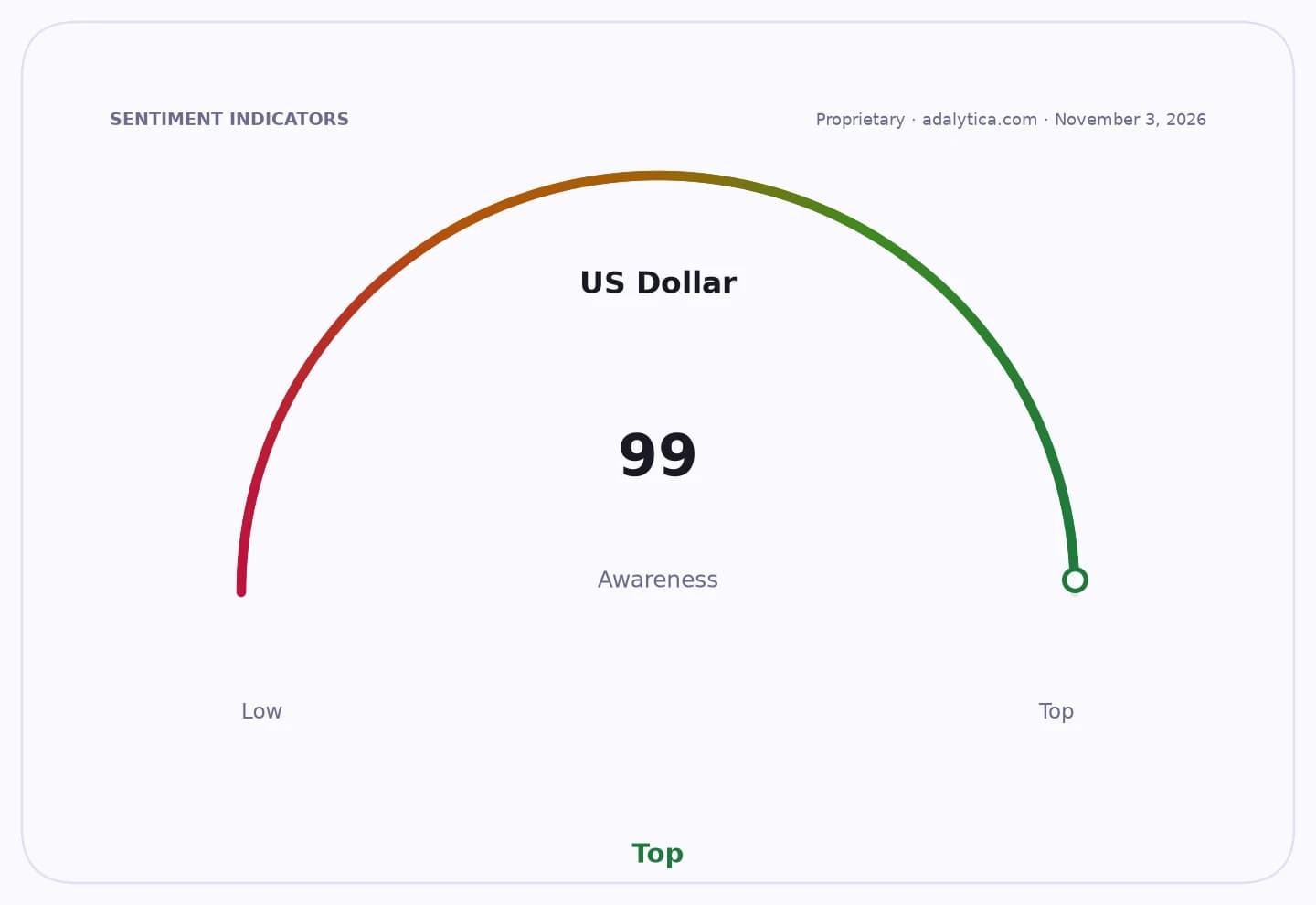
US Dollar
For investors, the significance lies less in the size of the adjustment than in what it says about currency conditions in Russia. A firmer official ruble rate can ease imported inflation pressures and reduce the local-currency cost of foreign liabilities for companies with dollar or euro exposure. It also affects exporters, who benefit from a weaker ruble when repatriating earnings, and importers, who gain from a stronger one. In a sanctions-hit economy, however, the exchange rate is as much a policy instrument as a market price.
The ruble has repeatedly been supported by tighter monetary policy, capital controls and the central bank’s efforts to smooth volatility in a market that has become far less liquid since the invasion of Ukraine. That makes the official rates particularly important for domestic pricing and for firms that still need to plan around external payments. The yuan’s role is also notable: at 12.3 rubles, it remains the key proxy for Russia’s trade with China, which has become central to the country’s import and export channels.
The latest cut in official rates will be watched for whether it feeds into pricing behavior and inflation expectations, or whether it simply reflects a routine recalibration by the central bank. For now, the broader message is that Russia’s currency regime remains heavily managed, with the ruble’s value shaped as much by policy and geopolitics as by market forces.
| Entity | Gains | Losses |
|---|---|---|
| Russian Central Bank | ▲More currency control | ▼Less market flexibility |
| Importers in Russia | ▲Cheaper FX costs | ▼— |
| Exporters in Russia | ▲— | ▼Lower ruble conversion gains |
| Foreign creditors | ▲Lower ruble volatility | ▼FX transparency risk |