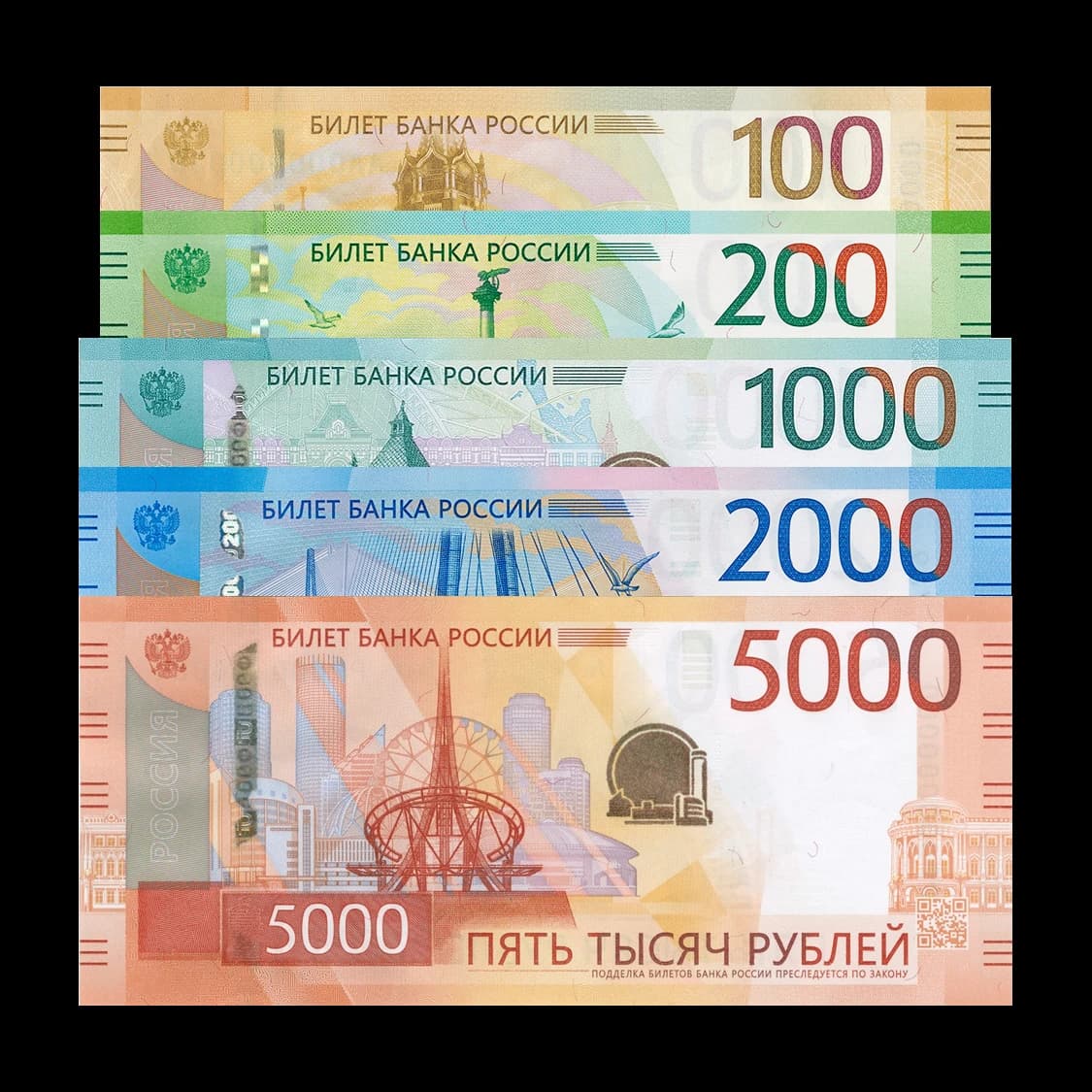
Russia’s wage arrears climbed to 2.54 billion rubles in September, underscoring rising financial strain on employers even as the official unemployment rate remains low.
Russia wage arrears rise to 2.54 billion rubles
The total debt increased 115 million rubles, or 4.7%, from August, according to Rosstat data cited by TASS. The unpaid wages were reported by organizations outside small business, suggesting the shortfall is concentrated in larger firms and sectors more closely tied to the broader economy.
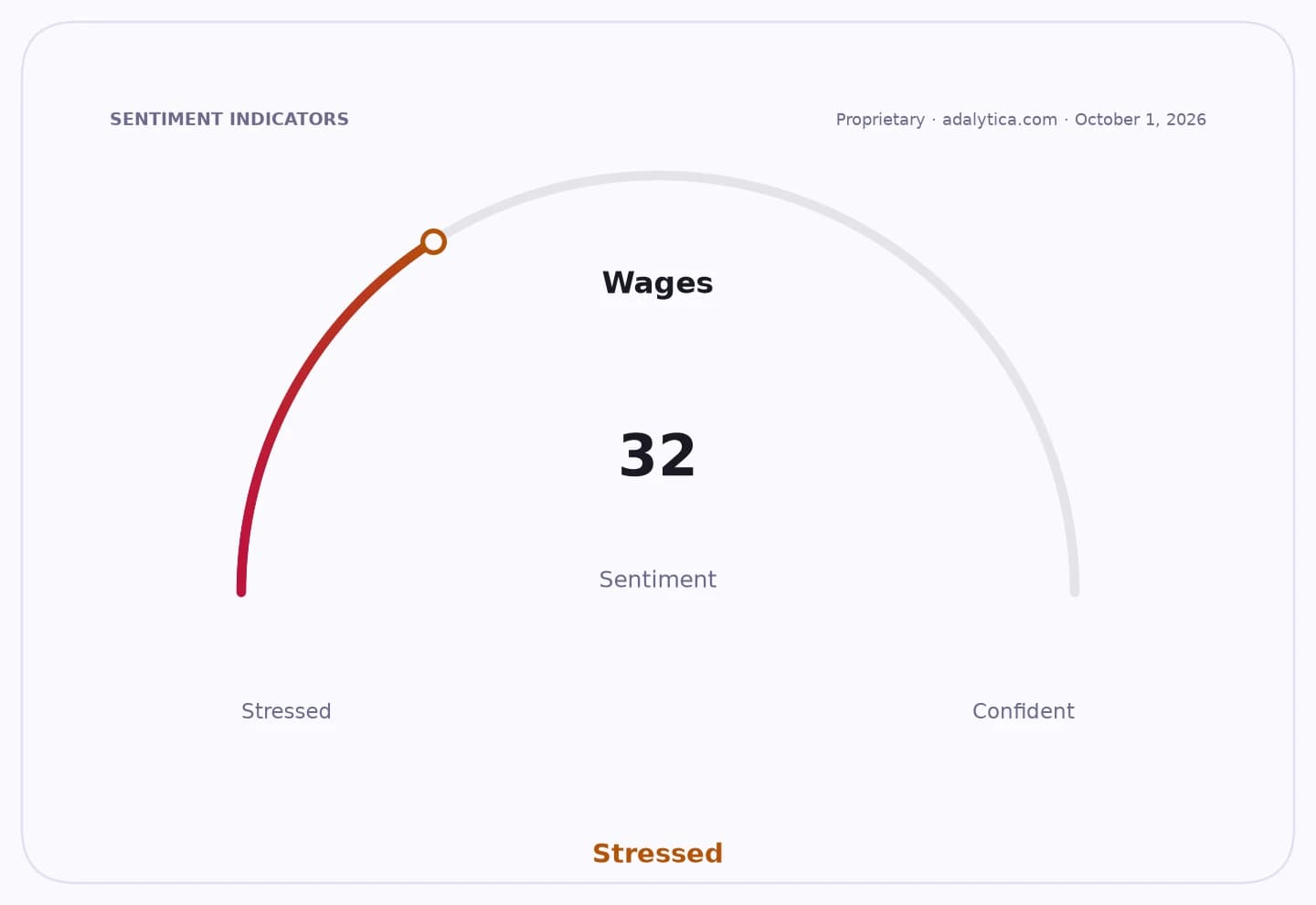
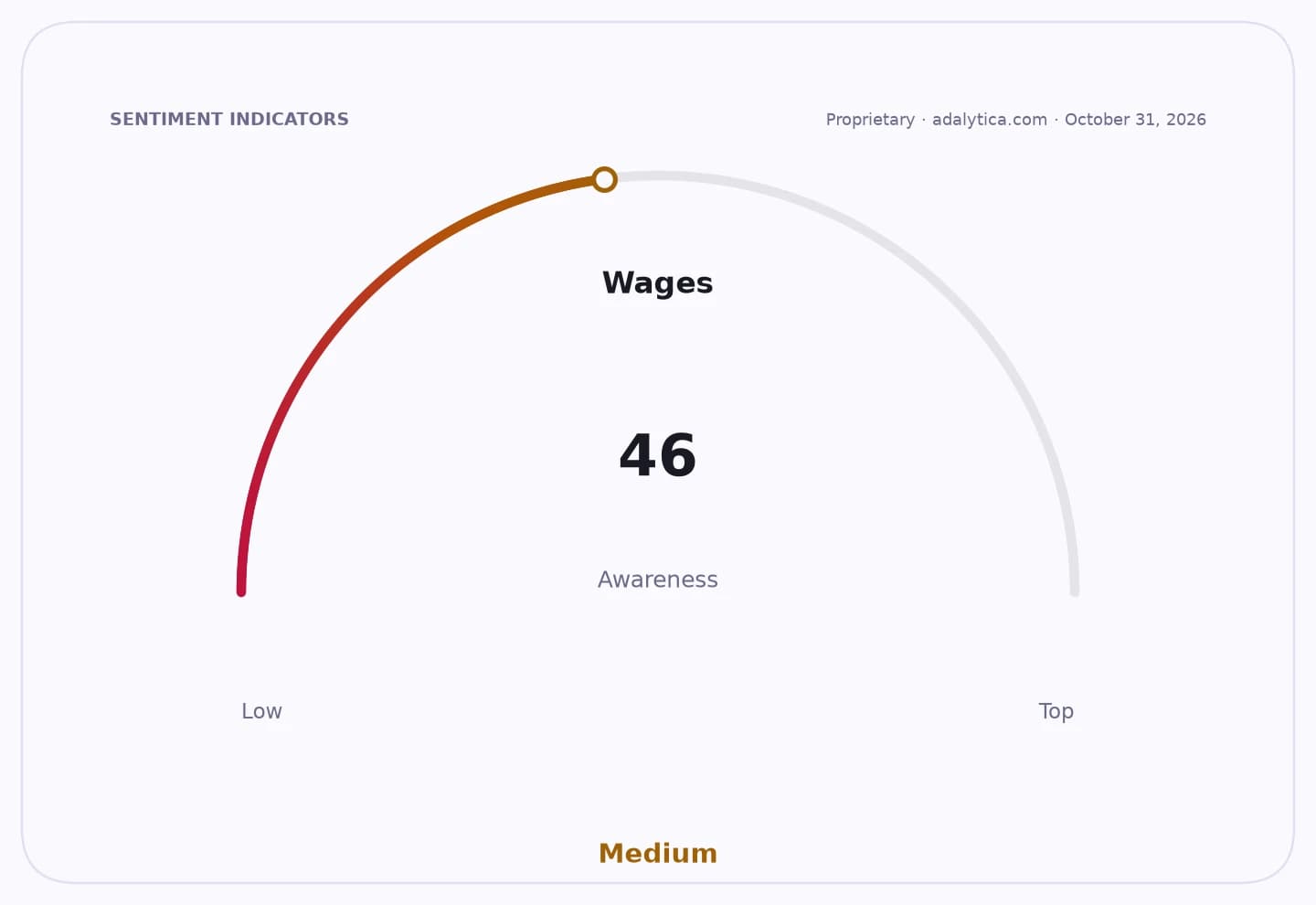
Sentiment Indicators
The arrears matter because unpaid salaries can quickly ripple through household consumption, local spending and tax receipts, especially when inflation is still elevated and real incomes are under pressure. The data also point to a more uneven labor market: while most workers are still being paid on time, Rosstat said the share of employees owed wages was below 1% at the end of September.
Most of the backlog is recent. About 1.43 billion rubles, or 56.1% of the total, was tied to wages due in 2026, while 811.7 million rubles was from 2025 and 301.4 million rubles from 2024 or earlier. That mix suggests the problem is worsening in the current year rather than simply reflecting old, unresolved debts.
For investors, persistent arrears can be a warning sign that company cash flow is tightening and that domestic demand may soften if workers delay spending. It also adds to the picture of a labor market that is still tight on paper but increasingly stressed underneath, which could complicate policy choices if wage settlements, hiring and inflation become more volatile.
The report comes as Russia’s labor market adjusts to changing employer demand and shifting wage expectations, with authorities also debating higher minimum pay targets in coming years. The next readings on wages, employment and industrial output will show whether September’s increase is a one-off or the start of a broader squeeze.
| Entity | Gains | Losses |
|---|---|---|
| Workers owed wages | ▲None | ▼Delayed income |
| Employers with cash strain | ▲Short-term liquidity relief | ▼Reputation and labor costs |
| Russian households | ▲None | ▼Softer spending power |
| Russia economy | ▲None | ▼Consumer demand risk |