Russia’s decision to shut Germany’s consulate in St. Petersburg and force German cultural staff out by Sept. 13 marks a sharper break in Europe’s most important bilateral relationship after the war in Ukraine, raising the risk that a diplomatic dispute will spill further into security policy, trade and investor sentiment.
Russia closes German consulate in St. Petersburg

The move is a direct retaliation after Berlin ordered the closure of Russia’s consulate in Bonn and the Russian House in Berlin, following a sabotage case at Leipzig airport that German authorities blamed on Moscow. Moscow is now tightening the screws further by also closing Goethe-Institut branches in Russia, a sign that the confrontation is moving beyond formal diplomacy into cultural and political isolation.
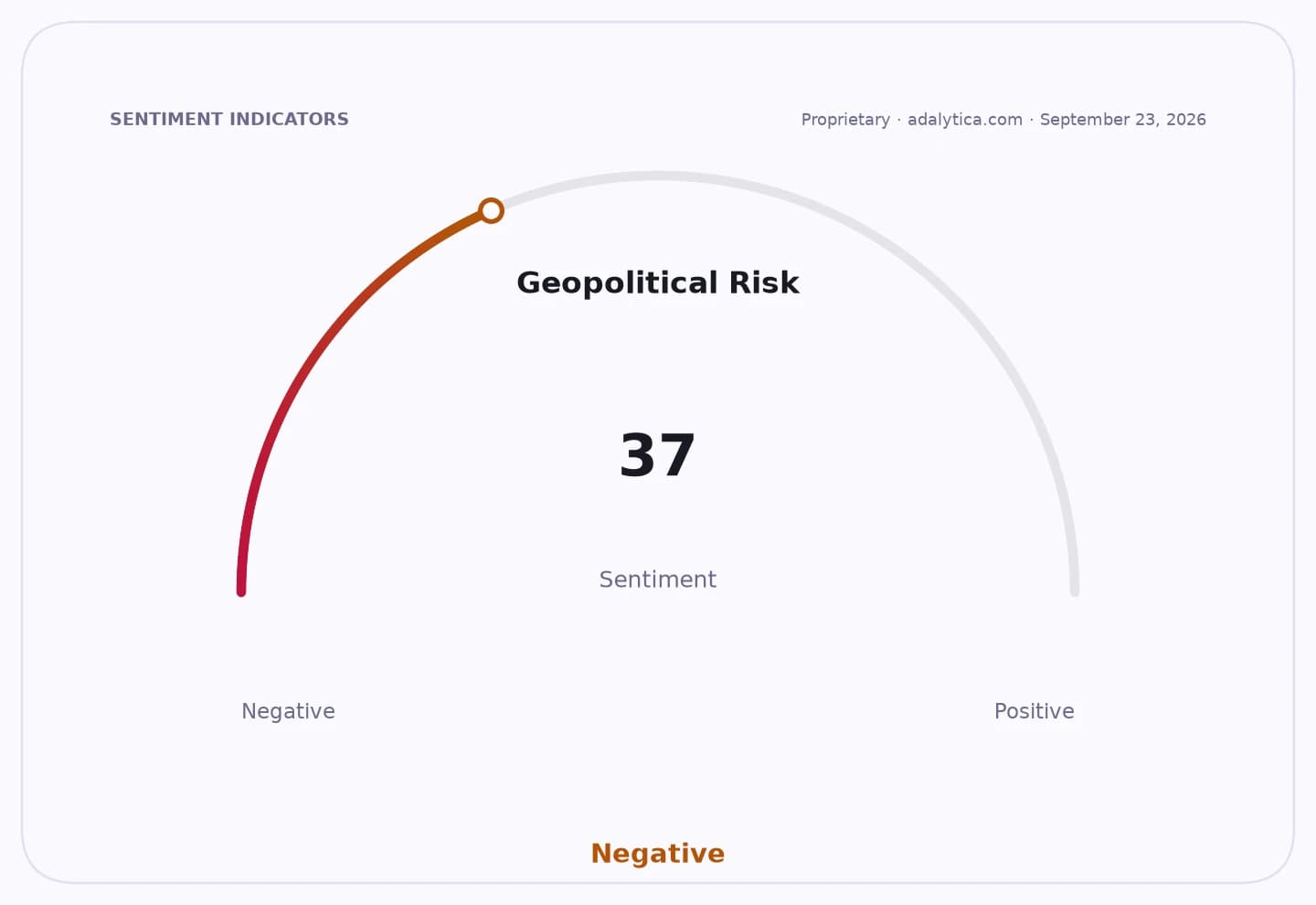
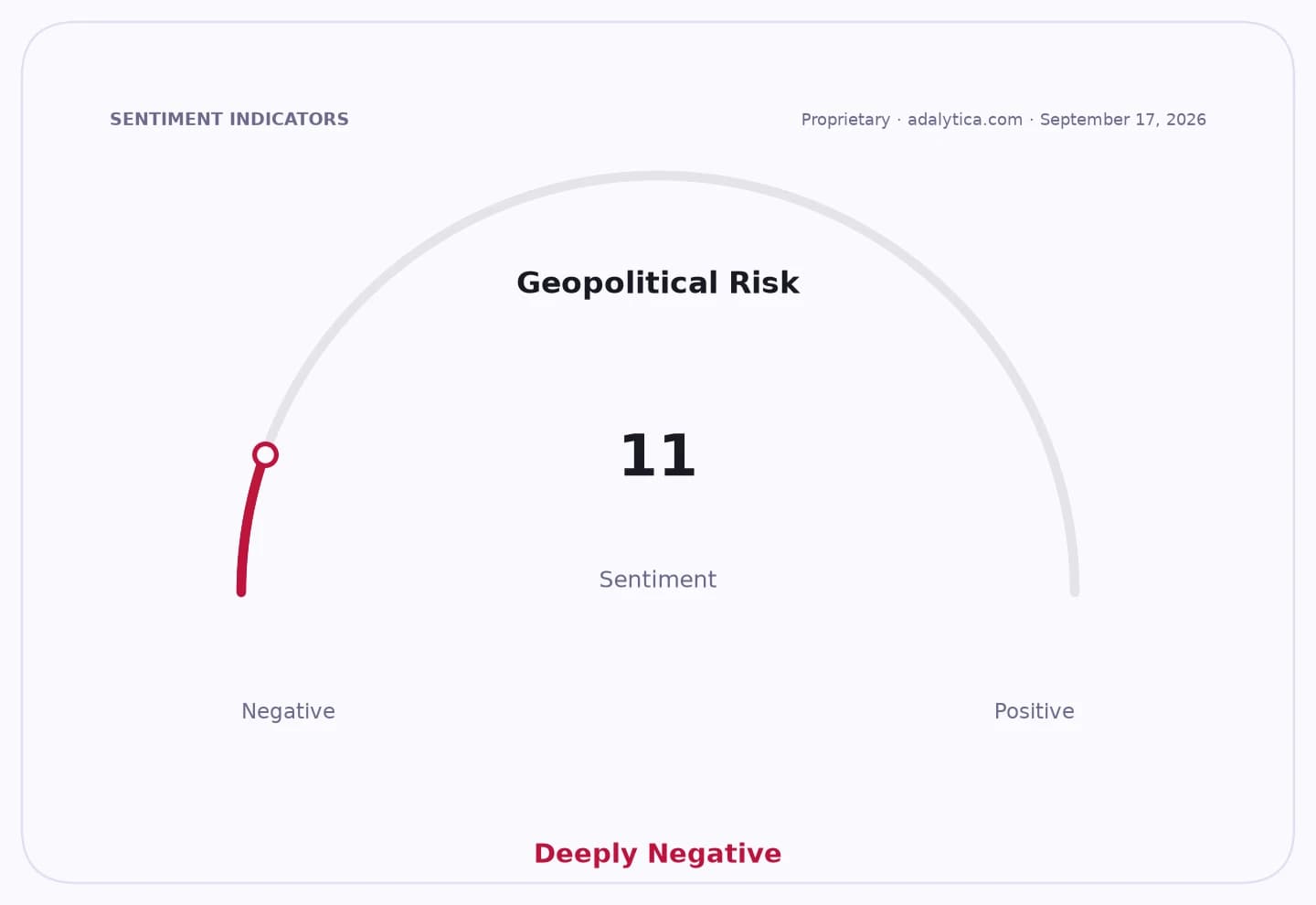
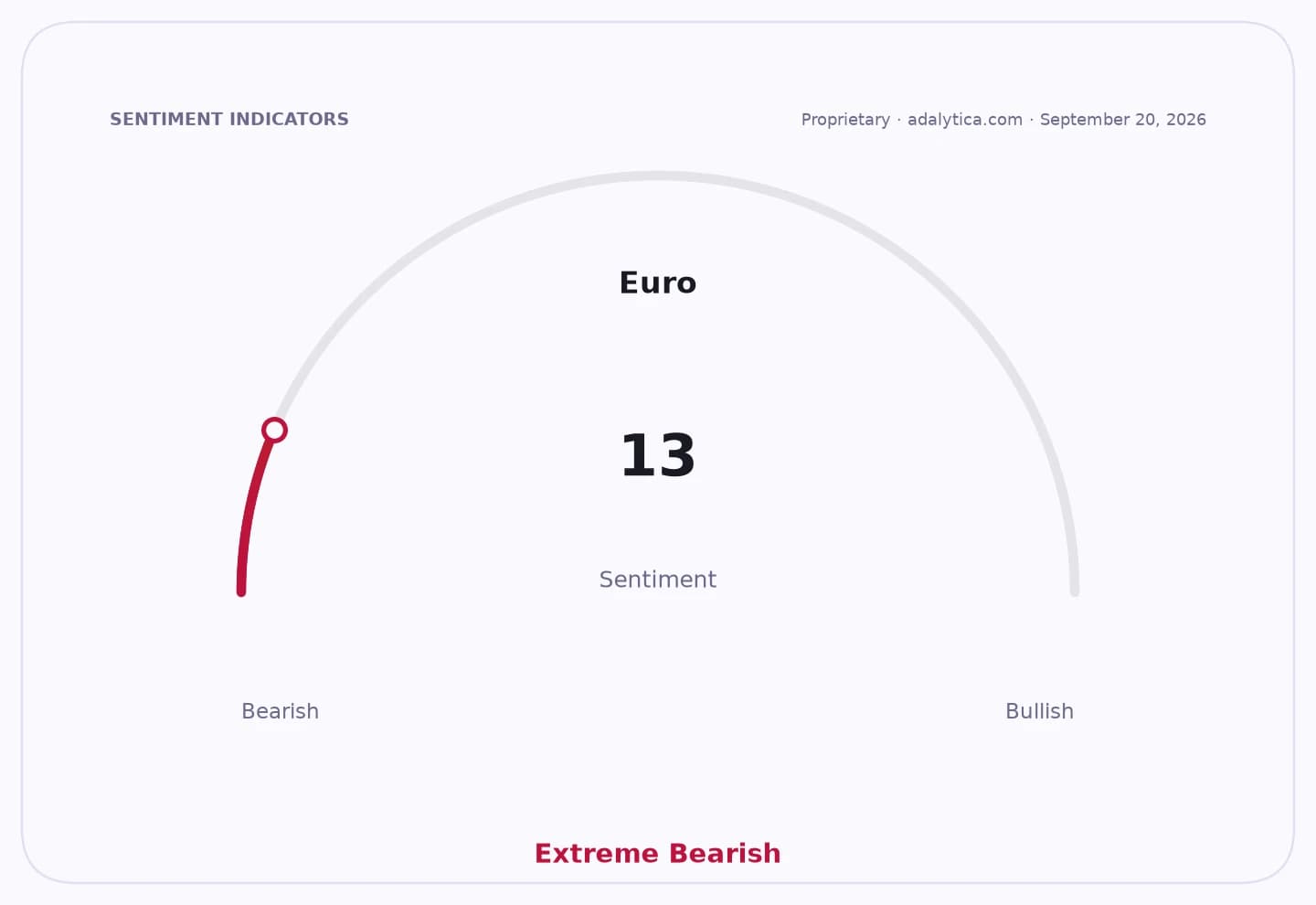
Sentiment IndicatorsⓘProprietary · adalytica.com · September 8, 2026
This is a snapshot — live sentiment, awareness and momentum for 130+ markets update continuously in the dashboard.Open AlphaPulse
For Europe, that matters because Germany is not just another counterpart. It is the continent’s largest economy, a central hub for industrial supply chains and a leading political voice on sanctions, defense spending and aid to Ukraine. Every round of retaliation makes it harder to imagine a thaw in business ties, energy flows or broader cooperation, even if the direct economic damage from these closures is limited.
The market impact is less about the consulate itself and more about what it says on the margin: European risk premia stay elevated, defense spending remains structurally supported and any assets tied to a lower-tension Russia narrative look premature. Investors should expect continued support for European aerospace and defense, cybersecurity and energy-security plays, while German corporates with residual Russia exposure face a longer period of policy and reputational uncertainty.
The bigger takeaway is that the Berlin-Moscow relationship is now trapped in a cycle of reciprocal escalation. That lowers the odds of any near-term diplomatic reset and keeps Europe’s geopolitical backdrop fragile at a time when capital is already pricing in a world of higher defense outlays, tighter sanctions discipline and more fragmented trade.
| Entity | Gains | Losses |
|---|---|---|
| European defense contractors | ▲Higher spending outlook | ▼Lower de-escalation odds |
| German government | ▲Firmer security posture | ▼Strained diplomacy |
| Russia | ▲Retaliatory leverage | ▼Fewer Western ties |
| German firms with Russia exposure | ▲— | ▼Greater policy risk |