Ukraine’s attacks on Russian data centers are forcing Moscow’s regional leaders to think about a cheaper, more defensible way to keep the country’s digital economy running.
Russia data centers move to coal quarries
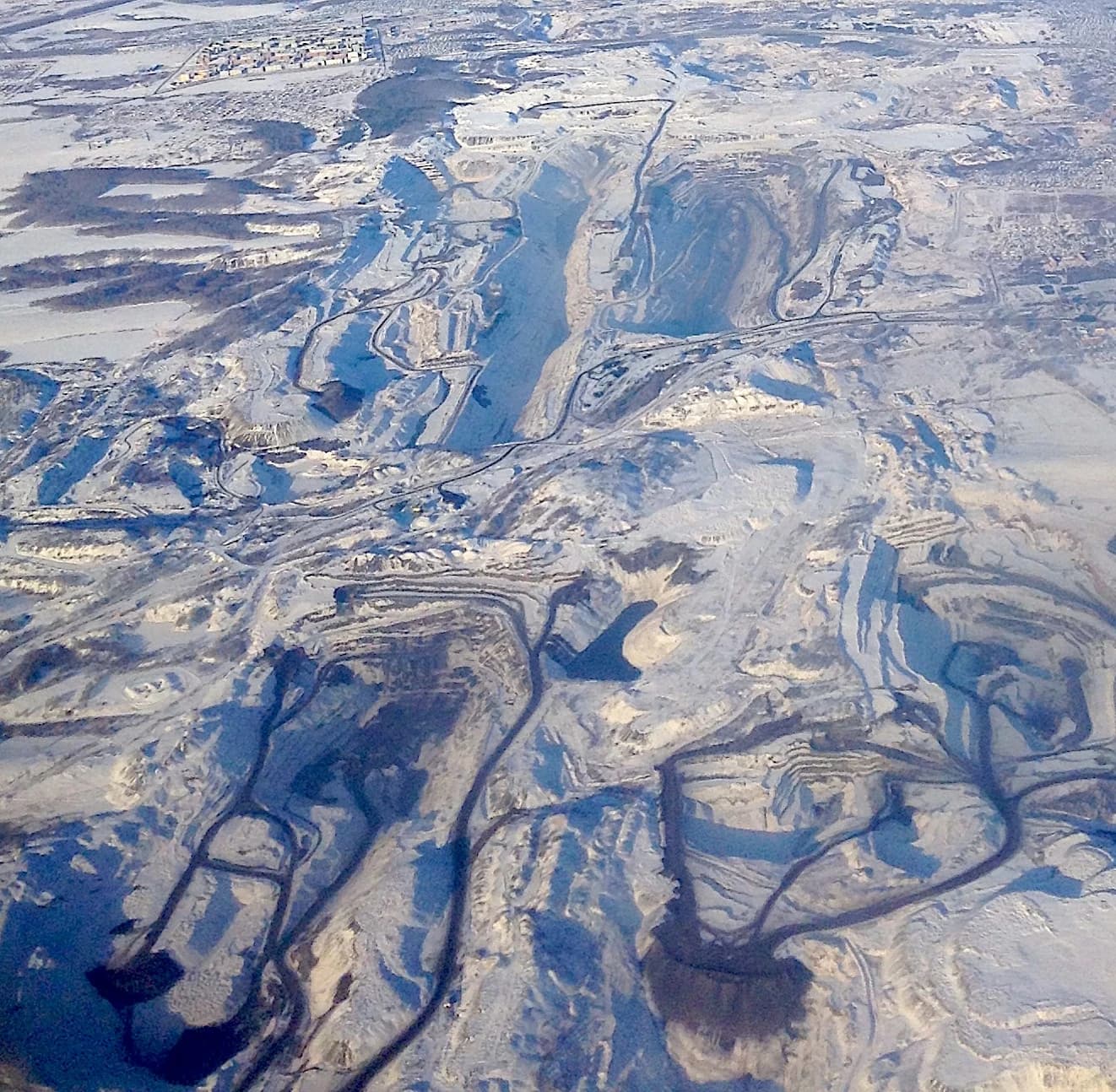
That shift matters because data centers are no longer just IT real estate; they are the operating backbone for cloud services, AI workloads, payments and banking. When Ukrainian forces reportedly damaged three of six data centers and three of six supercomputers at Yandex in October, with repairs potentially taking up to six months, and then hit a major Sberbank-linked facility in Saratov region, the vulnerability of Russia’s compute infrastructure became impossible to ignore. Now Kemerovo Governor Ilya Seredyuk is proposing to site data centers in spent coal quarries, arguing the pits could cut capital spending, reduce cooling costs and make facilities harder to target.
Sentiment IndicatorsⓘProprietary · adalytica.com · October 18, 2026
This is a snapshot — live sentiment, awareness and momentum for 130+ markets update continuously in the dashboard.Open AlphaPulse
The economics are straightforward. Russia is looking for ways to turn a military shock into an industrial policy response, and coal regions want a new use for abandoned excavation sites. Seredyuk said a quarry could host a “10-storey” or even deeper monolithic structure, with groundwater and underground rivers helping lower cooling costs. He also argued the project would avoid the expense of reclamation work that coal producers are otherwise required to do. In other words, what was once a cleanup liability could become compute infrastructure.
For investors, the message is bigger than Russia. Conflict is reshaping where and how digital infrastructure gets built, with security, power access and cooling economics now as important as land prices. That supports the long-term case for data-center operators with scale, secure campuses and access to cheap energy, while also reinforcing the need for geographically diversified infrastructure. The market often treats data centers as a simple REIT or leasing story; this is increasingly a critical infrastructure story tied to geopolitics, energy and national security.
That is why names like Equinix, Digital Realty and American Tower deserve attention even when the catalyst is far from their home markets. Equinix closed around $985.98 and Digital Realty around $175.97, while American Tower has climbed to $185.27, with all three reflecting continued investor demand for capacity tied to cloud and AI demand. Equinix remains above its 200-day moving average, while Digital Realty is trading well above both its 50-day and 200-day averages, a sign that the market still values resilient digital infrastructure despite intermittent volatility.
The real takeaway is that the next wave of data-center buildout will not be defined only by AI demand, but by the cost of defending and cooling the physical layer underneath it. Russia’s quarry proposal shows how quickly that layer can become strategic. The market should keep rewarding the owners of secure, power-rich, mission-critical infrastructure—and penalizing any operator that looks exposed to geopolitical disruption.
| Entity | Gains | Losses |
|---|---|---|
| Russian coal regions | ▲New use for abandoned pits | ▼Reclamation burden |
| Data center operators with secure sites | ▲Higher strategic value | ▼More security costs |
| Yandex and Sberbank infrastructure | ▲None | ▼Physical damage, downtime |
| Global data center REITs | ▲Structural demand for resilient capacity | ▼Risk from geopolitics and outages |