Russian businesses are still struggling to turn artificial intelligence into measurable profit because their systems, data and infrastructure remain fragmented, according to Rubytech chief executive Igor Vedekhin.
Rubytech CEO on Russia AI infrastructure bottlenecks

That matters because the first wave of AI adoption is not just about flashy chatbots or isolated pilot projects. For companies to save money, raise output or improve planning, AI agents need access to the same underlying systems that run finance, suppliers, customers and forecasting. Without that connective tissue, Vedekhin said, AI stays stuck answering local questions instead of helping make companywide decisions.
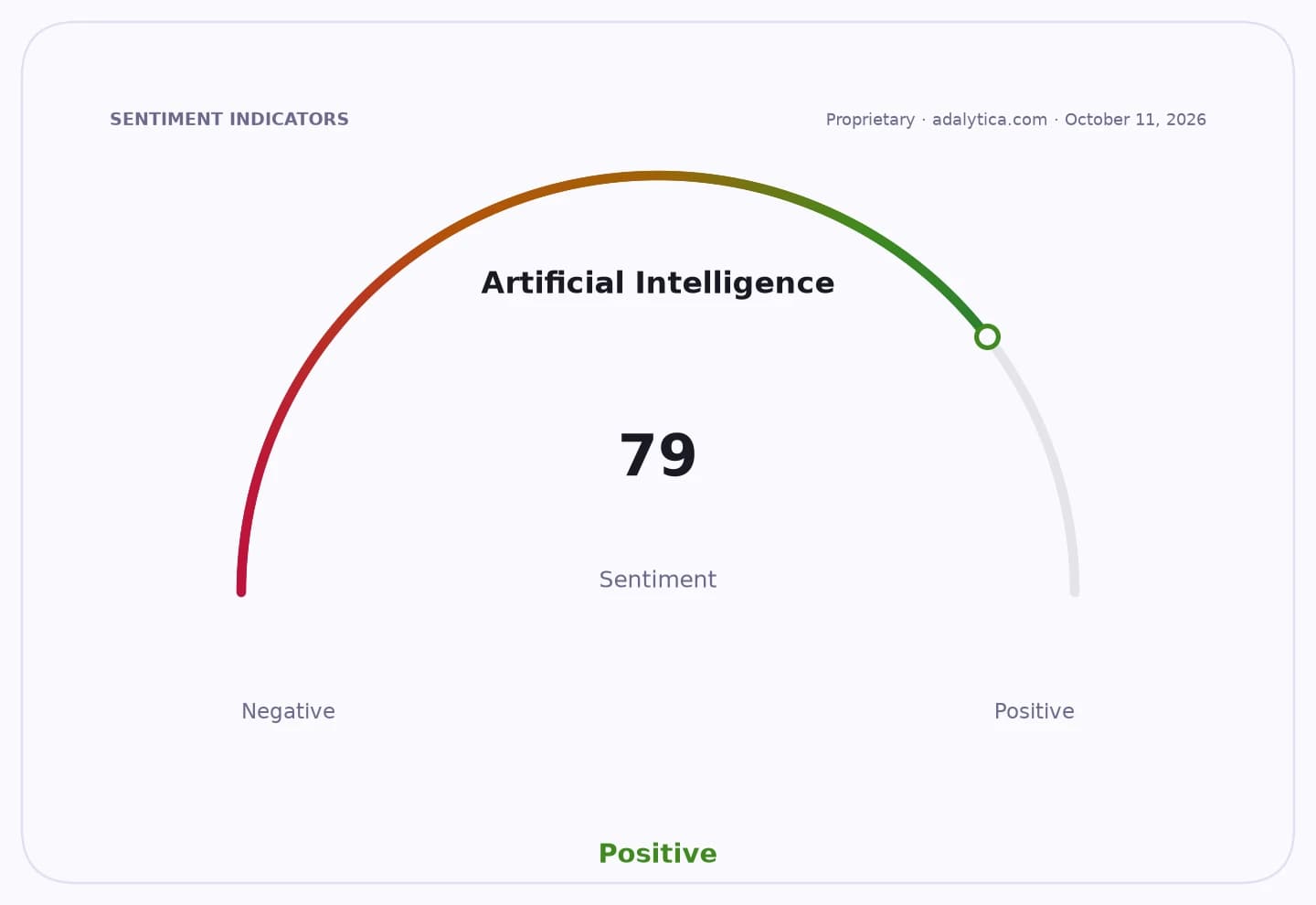
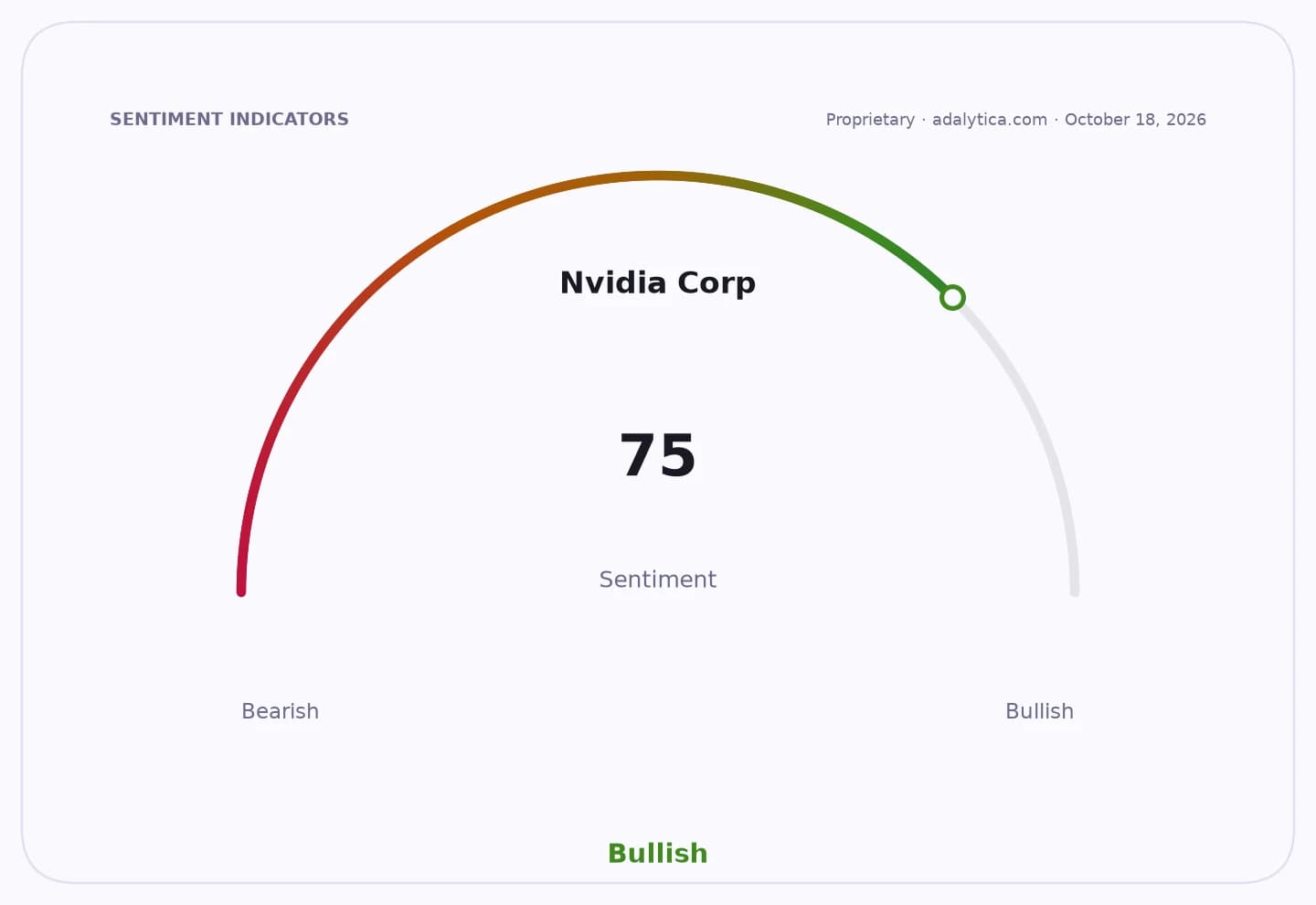
Sentiment IndicatorsⓘProprietary · adalytica.com · October 7, 2026
This is a snapshot — live sentiment, awareness and momentum for 130+ markets update continuously in the dashboard.Open AlphaPulse
His comments point to one of the biggest bottlenecks in enterprise AI anywhere, but especially in Russia: the gap between experimentation and scale. A business may be able to ask an AI agent how much money sits in a department account, yet still fail to use the same tool to allocate funding across the whole company if the agent cannot move through ERP, procurement and banking systems. In other words, the model may be intelligent, but the company around it is not organized enough to let that intelligence compound.
That is why the economic payoff remains limited. Vedekhin argued that businesses delaying infrastructure consolidation are ending up with separate integrations, isolated data stores and workarounds built by different teams. The result is duplicated effort and weaker returns on expensive computing investments. He said GPU utilization in the usual fragmented setup often stays below 35% to 40%, while a consolidated platform can lift utilization to 70% to 80%, effectively allowing companies to do about twice as much with the same hardware.
For investors, the message is straightforward: the winners in AI are not only the model builders, but also the infrastructure vendors that help enterprises unify data, integrate systems and squeeze more use out of chips and servers. In Russia, that should support demand for high-performance infrastructure providers such as Rubytech, which makes software and hardware systems for heavily loaded IT environments and sells platforms used with AI models.
The broader takeaway is that AI’s return on capital depends less on hype than on plumbing. Development work is one of the few areas where the payoff is already clearer, Vedekhin said, because programming tools and workflows are relatively standardized. Most other functions still need the hard, expensive work of integration before AI can move from a local assistant to a real operating tool.
For long-term investors, that is a useful reminder: AI is still a multi-year buildout, not a one-quarter story. Companies that solve the data and infrastructure problem first are the ones most likely to capture durable efficiency gains. That makes the infrastructure layer worth watching, and in many cases worth owning for the long term.
| Entity | Gains | Losses |
|---|---|---|
| Rubytech and peers | ▲Higher demand for infrastructure | ▼Workaround-heavy rivals |
| Russian enterprises with unified systems | ▲Better GPU use, higher ROI | ▼Fragmented operators |
| Chip and server buyers with scale | ▲More output per investment | ▼Underutilized hardware owners |
| AI pilots without integration | ▲Little immediate benefit | ▼Missed economic payoff |