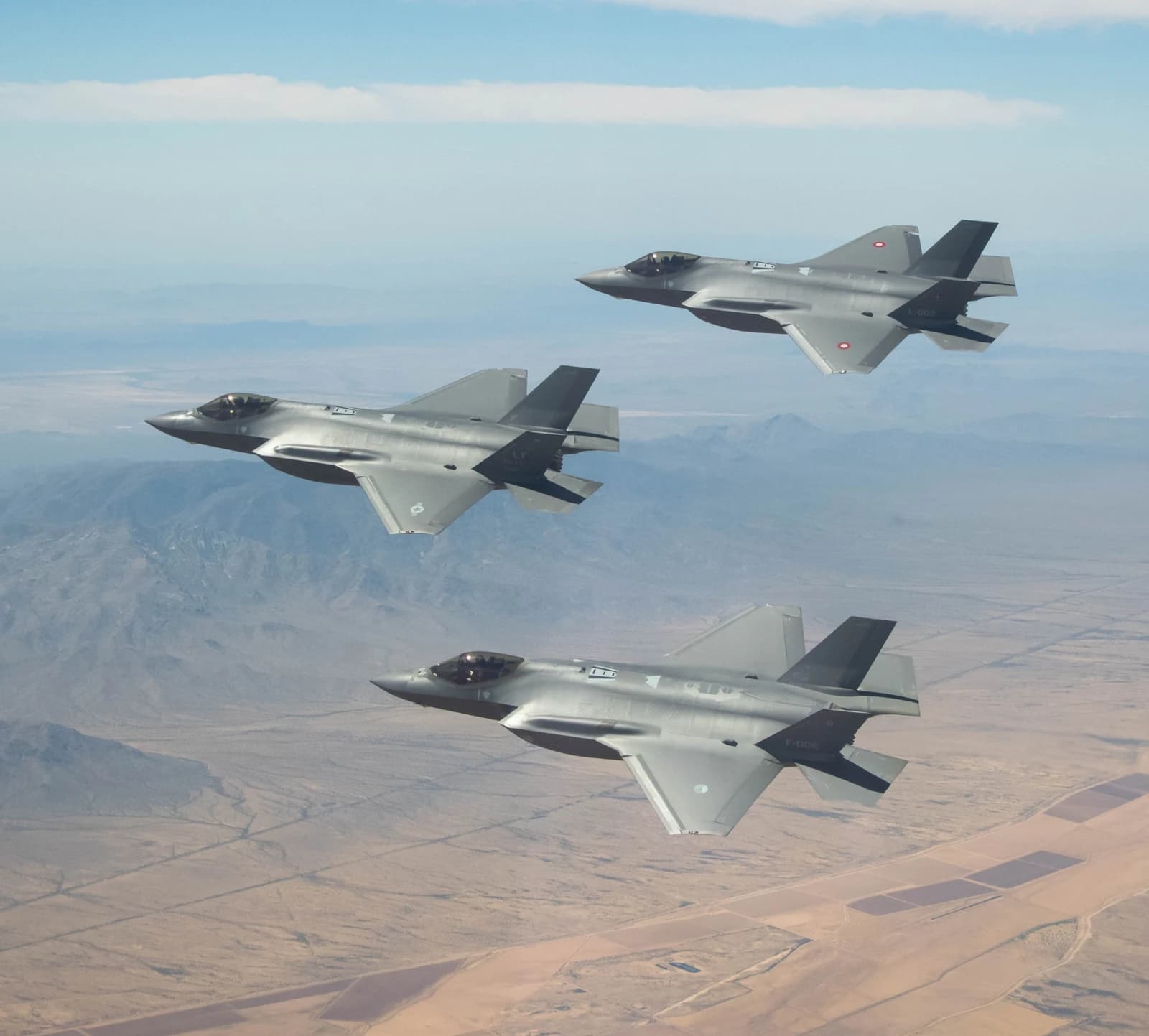
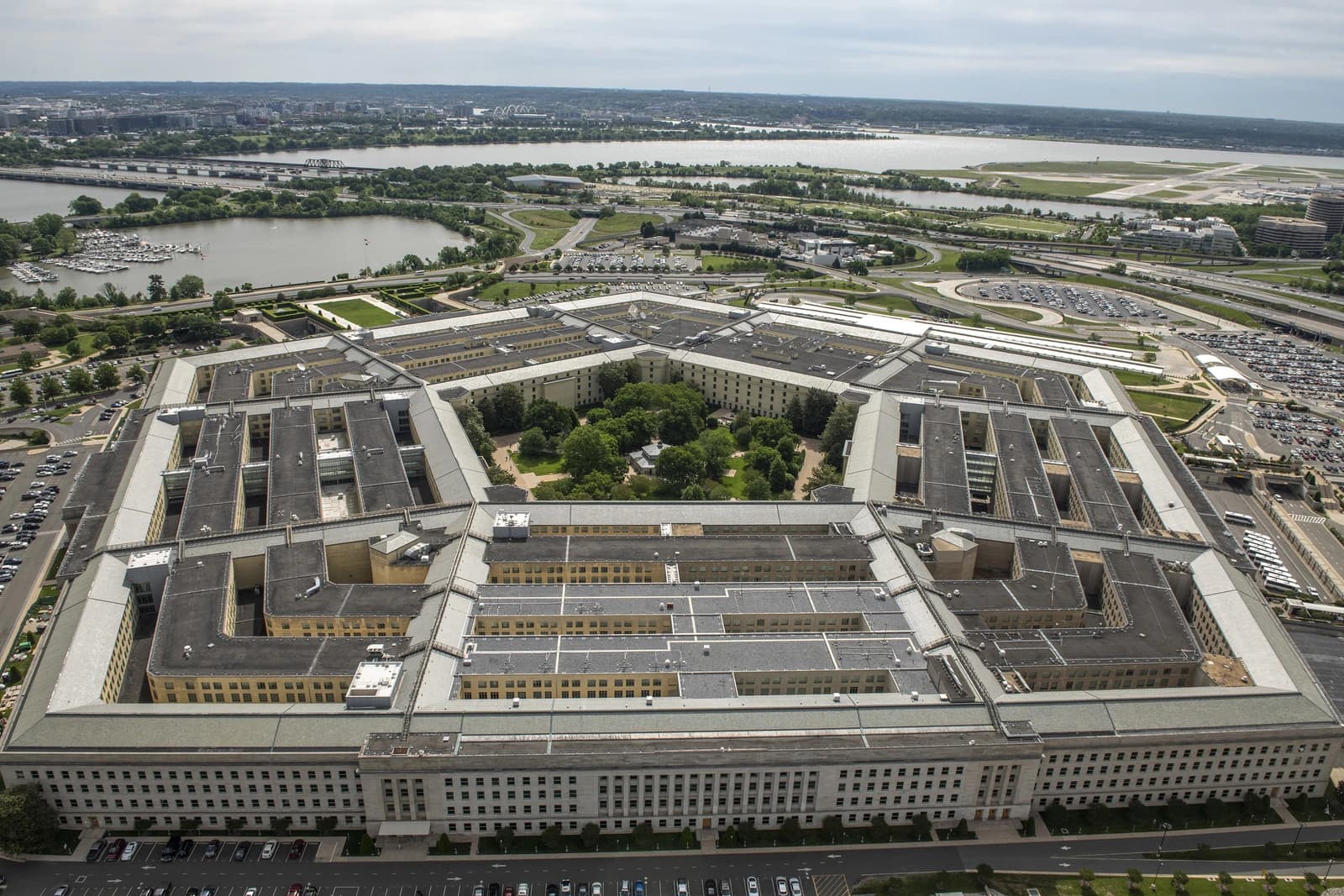
Russia will keep defense, security and support for troops and their families at the top of its federal spending agenda for the next three years, underscoring how the war economy is continuing to shape fiscal policy and limit room for civilian priorities.
Russia budget keeps defense spending top priority
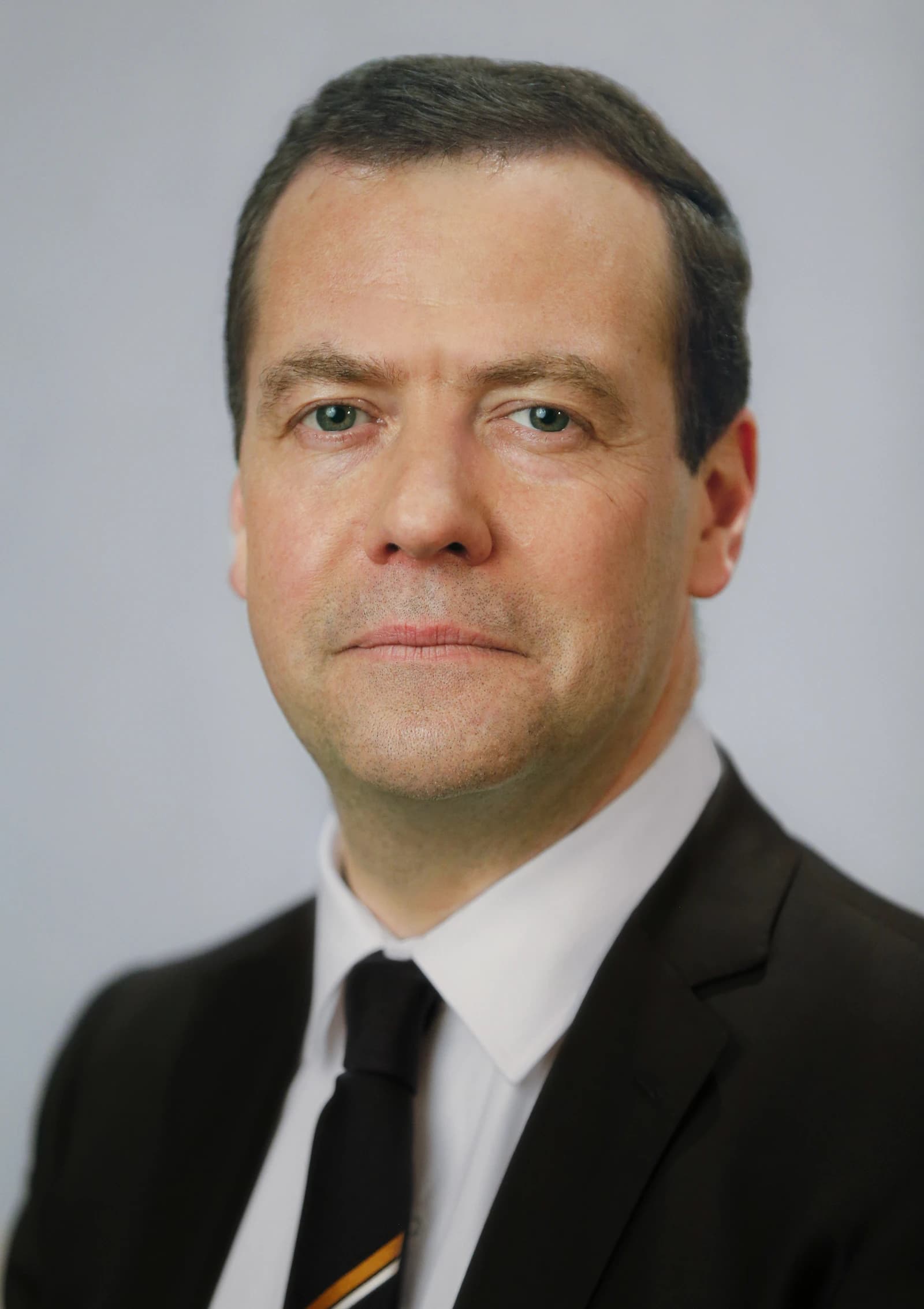
The message from Dmitry Medvedev, Russia’s deputy chairman of the Security Council, is significant because it confirms that military and security outlays remain the central budget priority at a time when the Kremlin is still financing its war in Ukraine and managing the economic strain of elevated defense spending. For investors, the implication is that Russia’s fiscal path will stay tilted toward war-related expenditure rather than growth-supporting spending, increasing pressure on inflation, resource allocation and long-term public finances.
Sentiment IndicatorsⓘProprietary · adalytica.com · October 27, 2026
This is a snapshot — live sentiment, awareness and momentum for 130+ markets update continuously in the dashboard.Open AlphaPulse
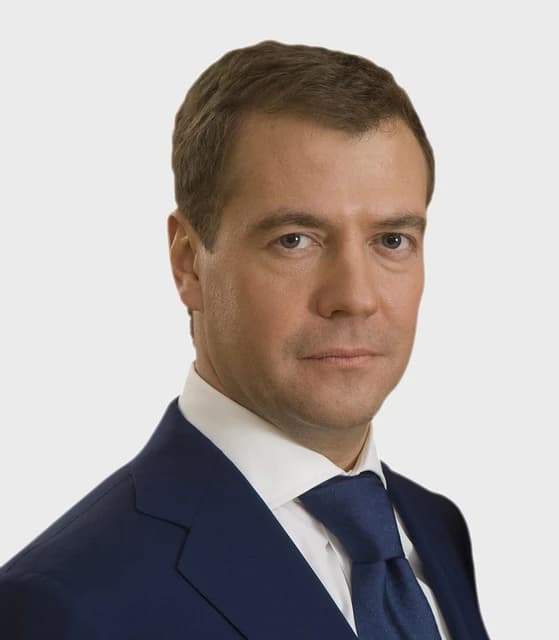
Medvedev made the remarks at the MAKS air show, saying defense and security, along with support for participants in what Moscow calls the “special military operation” and their families, would be the key priorities in the federal budget. That follows comments from Finance Minister Anton Siluanov, who said the average federal budget deficit over the next three years should be about 2% of GDP, a level he described as modest given Russia’s objectives and well below the roughly 5% average deficit seen across the G20.
The deficit guidance matters because it suggests Moscow believes it can maintain a relatively contained headline shortfall even while devoting a large share of spending to the military. But the composition of that spending is the more important signal: a budget anchored in defense can keep the state’s war machine funded, yet it also crowds out investment in infrastructure, health care and other civilian sectors that would support productivity over time. That trade-off is increasingly central to Russia’s macro outlook.
For markets, the immediate impact is less about direct pricing and more about what the budget mix says about Kremlin priorities and economic durability. A sustained war footing tends to support arms producers and state-linked contractors while leaving the broader economy more exposed to labor shortages, supply constraints and persistent inflationary pressure. It also reinforces the view that Russia will continue to rely on fiscal discipline in the aggregate even as the spending structure becomes more distorted.
The story also fits a broader global backdrop in which governments are lifting defense budgets, but Russia’s case is more acute because military spending is not just a policy choice; it is a necessity tied to an active war. That makes the fiscal numbers more than accounting exercises. They are a window into how long Moscow believes it can keep financing the conflict and how much economic slack remains in an economy already under sanctions and structural pressure.
For investors, the key question is not whether Russia will keep spending on defense — it will — but how long it can do so without deeper damage to growth, inflation and fiscal flexibility. If the state maintains military spending while keeping the deficit near 2% of GDP, the near-term macro picture may look manageable. But the longer the war economy persists, the greater the risk that the burden shows up in weaker civilian demand, lower investment and a more fragile long-term growth profile.
| Entity | Gains | Losses |
|---|---|---|
| Russian defense sector | ▲Higher budget demand | ▼Civilian-sector funding |
| Kremlin war effort | ▲Guaranteed financing priority | ▼Fiscal flexibility |
| Troops and families | ▲Continued state support | ▼Broader social spending |
| Russian economy | ▲Near-term budget control | ▼Long-term growth capacity |