A Moscow race between a 22-year-old Yabloko candidate and a Kremlin heavyweight is less a contest than a demonstration of how tightly Russia’s parliamentary system has been narrowed as the war in Ukraine grinds on.
Russia Duma Vote Shows Tightened Political Control
For investors and policymakers, that matters because the vote is not about who wins a few seats in the State Duma. It is about how the Kremlin is using elections to reinforce political control, lock in support for the war effort and reduce the space for any dissent that could eventually complicate sanctions, defense spending and Russia’s broader economic management.
Artjom Snegowskij, a young economics student running as an independent in Moscow, was allowed to compete only after his liberal Yabloko party was excluded from the parliamentary ballot. The party says it was kept off the list over alleged election-law violations, a move it sees as politically motivated. Its message — peace, civil rights and an end to fear — has found more interest among younger Russians, but that has not translated into real access to power.
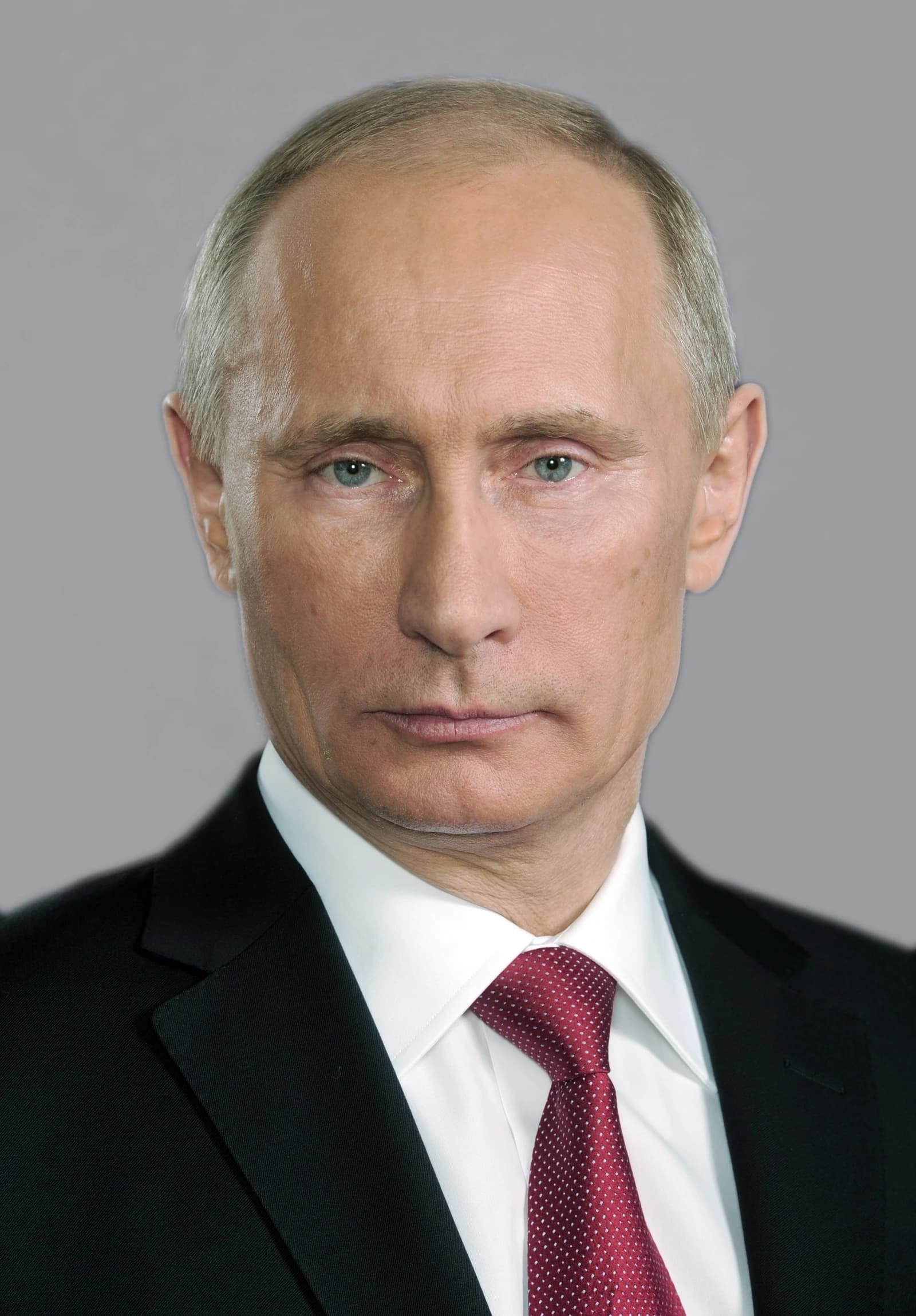
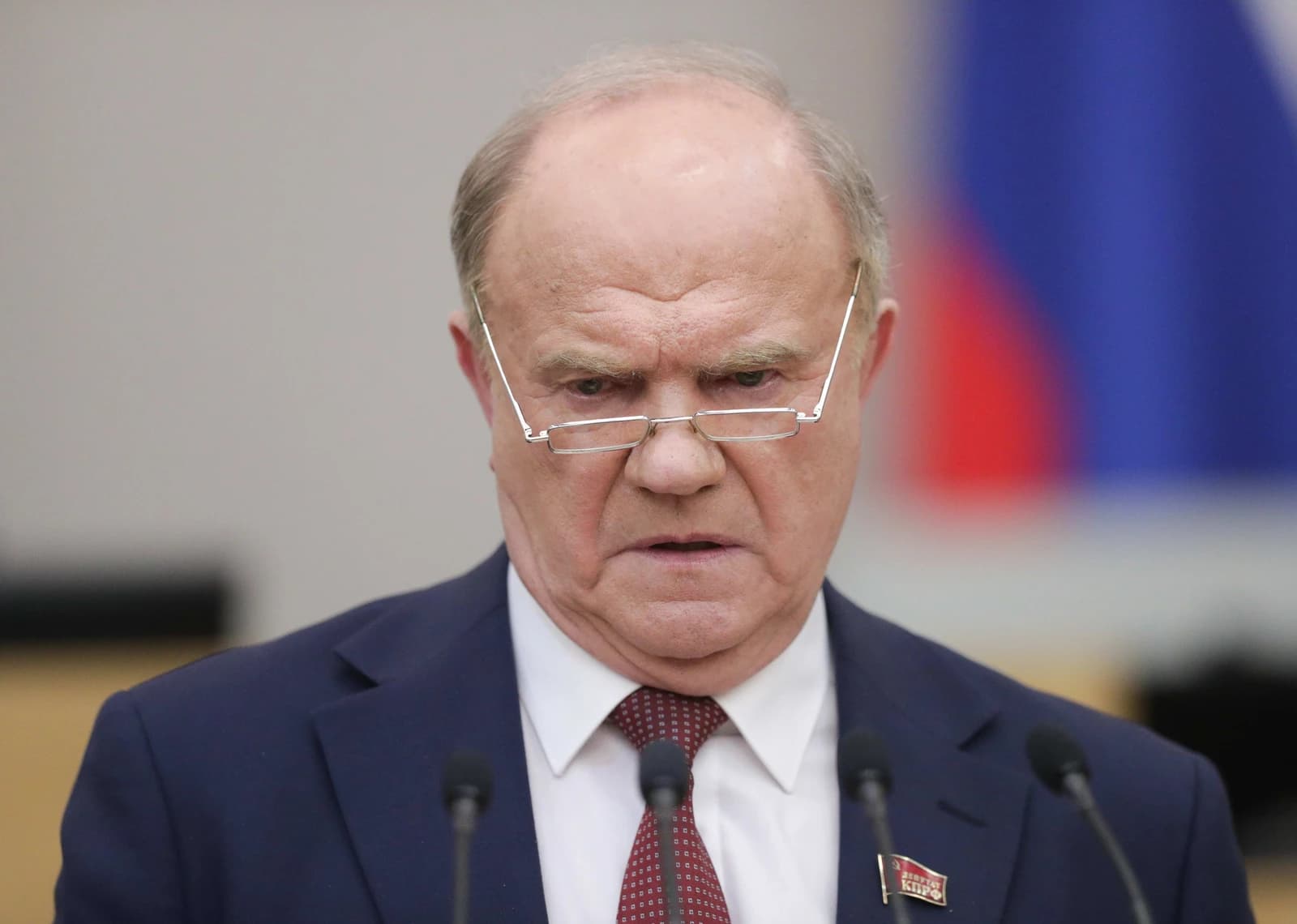
His opponent, Pyotr Tolstoy, is the deputy speaker of the Duma, a well-connected United Russia heavyweight and EU-sanctioned politician who has backed some of the most hard-line rhetoric on Ukraine. Tolstoy has dismissed criticism of the system by arguing that Russia has its own version of democracy, one that differs from Western models. That framing captures the larger story of this election: not competition, but managed participation.
The economic significance is indirect but real. When a state removes meaningful electoral pressure, it also weakens the institutional checks that can restrain spending priorities, prolong wartime mobilization and keep the economy on a more militarized footing. For Russia, that means continued policy continuity: more support for President Vladimir Putin’s war agenda, more dependence on state-directed resources and less chance of a political turn that might soften the conflict’s economic drag.
Investors should care because Russia’s political path still affects energy markets, commodity flows, European security and the sanctions regime. A legislature that is effectively predetermined offers little prospect of policy volatility in the Western sense. Instead, it signals continuity — and continuity in Moscow has meant more confrontation, not less. That keeps the risk premium alive for companies and countries exposed to Russian exports, shipping routes, defense budgets and secondary sanctions.
The broader narrative is a Russia in which opposition is allowed only at the margins. Snegowskij can stand in Moscow as a direct candidate, but his party cannot compete as a party. That is the point. The Kremlin preserves the appearance of electoral choice while ensuring the result is never in doubt. United Russia is expected to keep its dominance, and the vote is designed to validate that outcome, not test it.
For long-term investors, the takeaway is not to trade this election as a one-day event. It is to understand what it says about Russia’s trajectory over years, not weeks: entrenched political control, sustained war footing and limited room for a policy shift that could normalize relations with the West. That is a reminder to stay cautious on any assets or companies with meaningful Russian exposure and to favor diversification over trying to predict political turning points that are unlikely to arrive soon.
| Entity | Gains | Losses |
|---|---|---|
| Kremlin / United Russia | ▲political control | ▼democratic legitimacy |
| Pyotr Tolstoy | ▲easy path to reelection | ▼scrutiny over hard-line stance |
| Artjom Snegowskij / Yabloko | ▲visibility for opposition message | ▼access to real power |
| Western investors / Europe | ▲little near-term clarity | ▼hopes for policy thaw |