Russia’s widening war bill is forcing a sharper squeeze on civilian life, with health spending under pressure even as military outlays climb, a shift that will hit poorer regions first and deepen the economic cost of the Ukraine conflict.
Russia health spending squeezed as defense rises
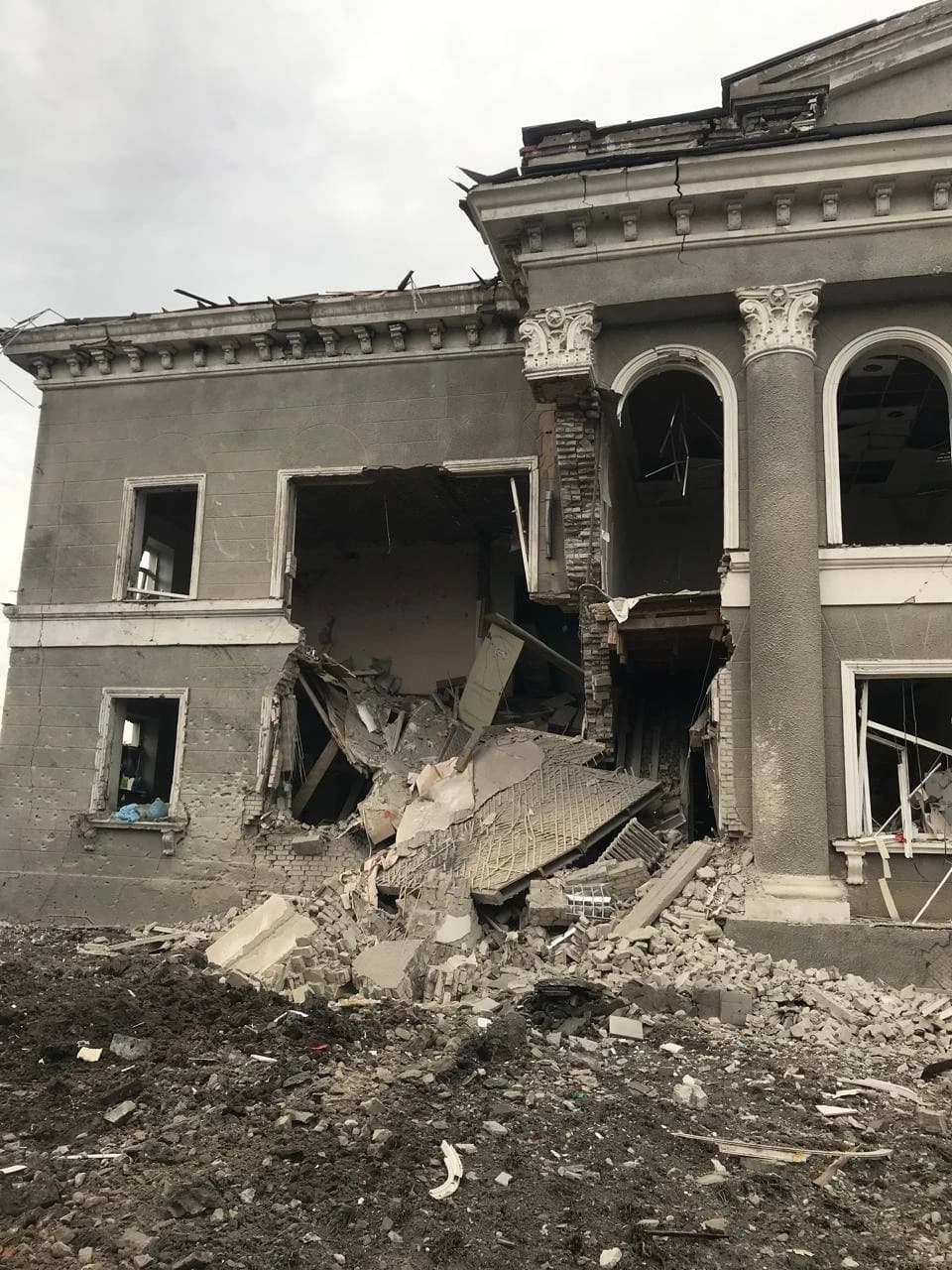
That trade-off matters because it shows where the Kremlin’s priorities now sit: guns over hospitals, war production over public services. For investors and policymakers, the message is that Russia’s fiscal model is becoming more distorted, with defense spending crowding out social investment and leaving households in weaker regions more vulnerable to deteriorating care, lower living standards and higher long-term economic drag.
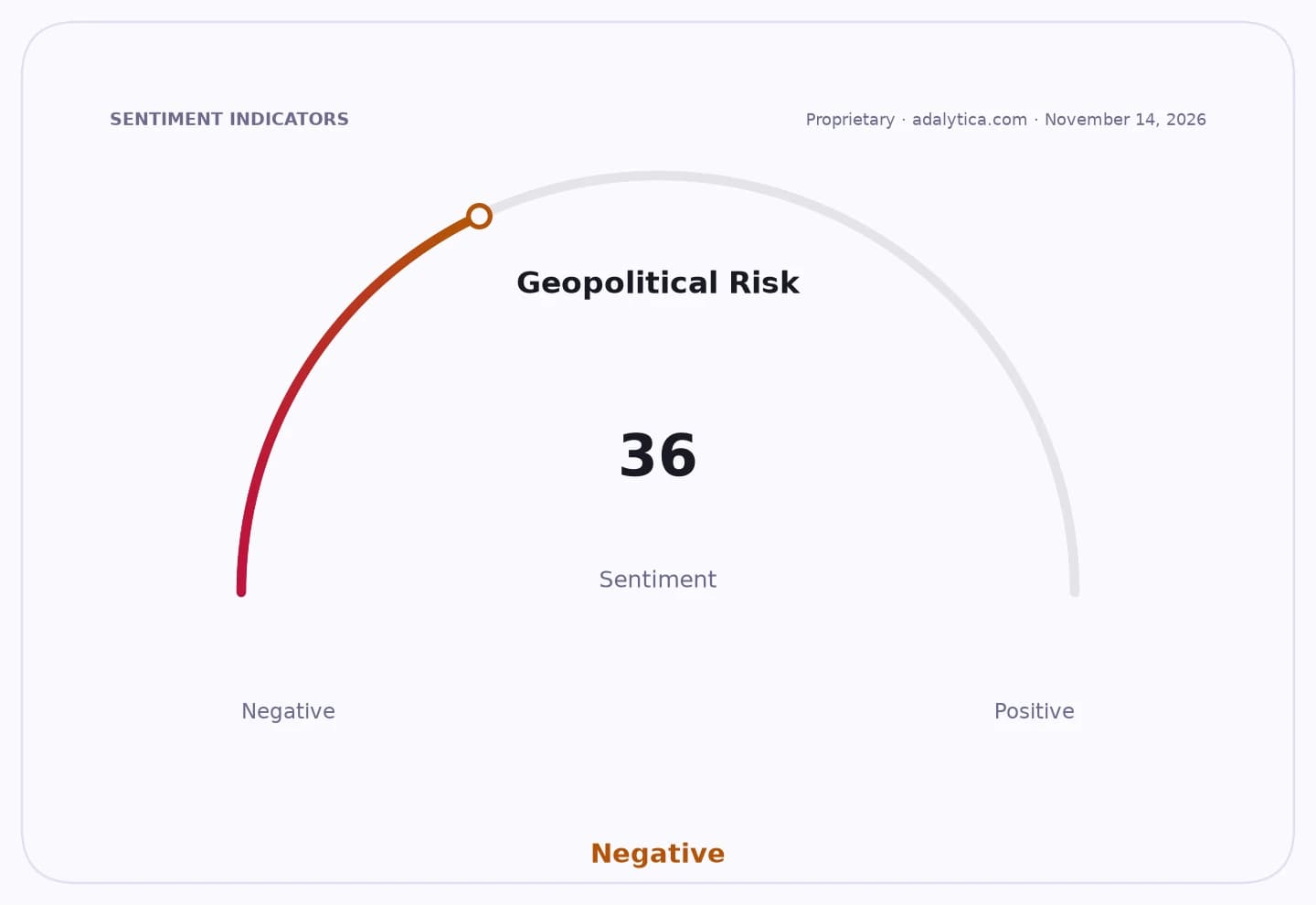
Sentiment Indicators
The biggest burden falls on the parts of Russia least able to absorb it. Poorer regions rely more heavily on federal transfers and already face weaker tax bases, thinner health systems and a larger dependence on state support. When the central budget tightens civilian spending while keeping military expenditure elevated, those regions feel the pain first through overstretched hospitals, slower investment in public infrastructure and greater pressure on local administrations.
The shift also speaks to the wider war economy. Russia can continue financing the military in the near term, but the cost is rising in ways that are harder to see on the battlefield: lower labor productivity, worsening demographics and a weaker domestic consumer base. Over time, that erodes the economy’s capacity to sustain both war spending and basic services, especially if sanctions, inflation and labor shortages continue to bite.
For markets, the implication is not a simple tradeable headline but a broader read on Russian resilience. A state that must choose between health and defense is a state locking itself into a more fragile growth path. That can support defense-linked activity in the short term, but it also increases sovereign and social stress, makes regional inequalities sharper and raises the odds of deeper political strain if living conditions keep deteriorating.
The clearest investment takeaway is that the beneficiaries remain the military-industrial complex and suppliers tied to state security spending, while households, regional budgets and civilian service providers are the losers. The longer this imbalance lasts, the more Russia’s economic future is defined by coercion and scarcity rather than sustainable growth.
| Entity | Gains | Losses |
|---|---|---|
| Russia’s defense sector | ▲Higher budget flows | ▼— |
| Poorer Russian regions | ▲— | ▼Health services, local budgets |
| Russian households | ▲— | ▼Public care, living standards |
| Civilian economy | ▲— | ▼Long-term growth capacity |