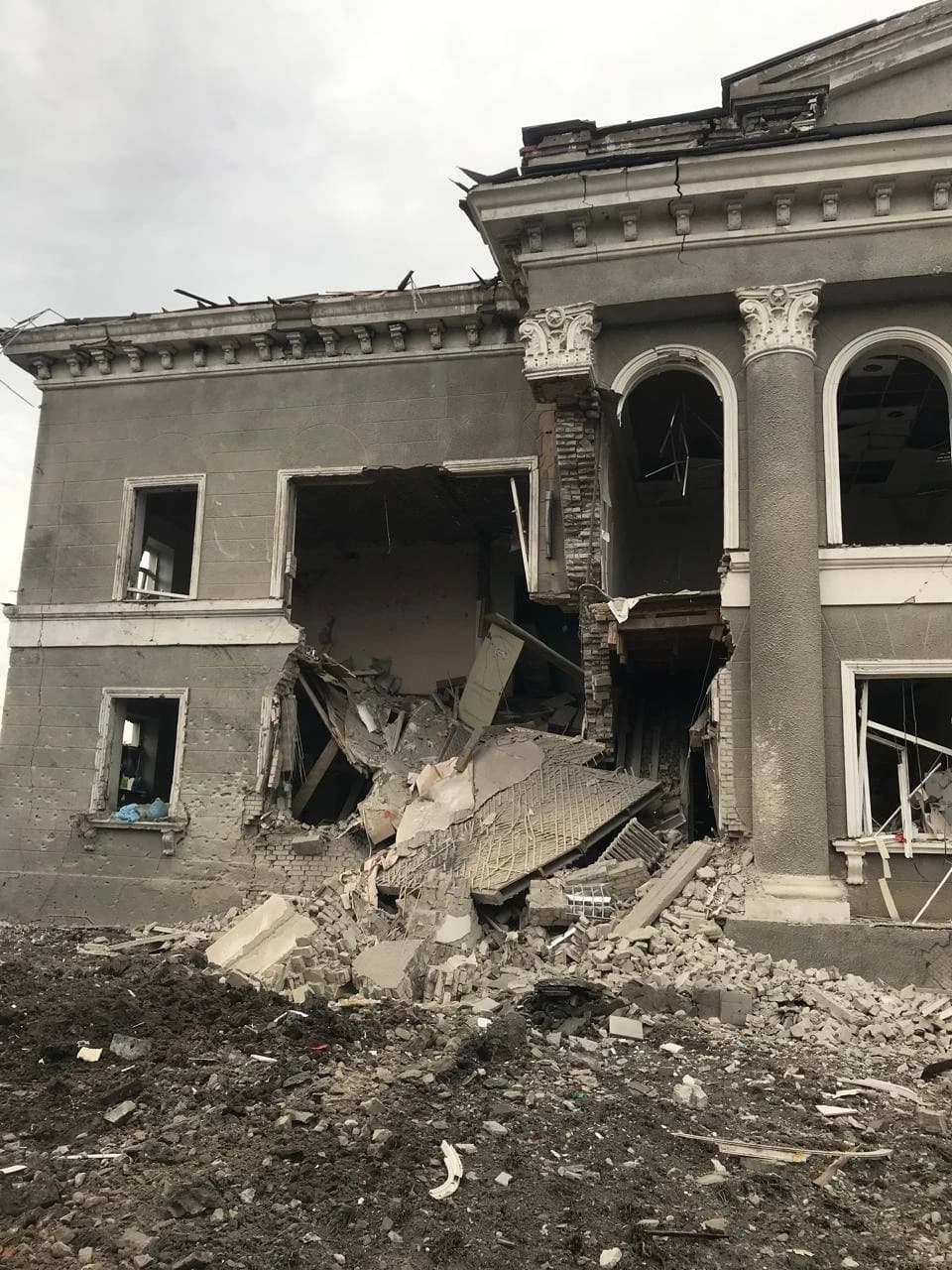
Russia’s winter utility breakdown is becoming a macro problem, not just a local one, as repeated heating, power and water outages leave hundreds of thousands of people exposed to freezing temperatures across the country.
Russia utility outages raise infrastructure stress
The immediate cost is obvious: households, schools and hospitals are being forced to cope with blackouts and frozen radiators in cities from Vladivostok to Rostov-on-Don, while emergency crews scramble to patch over failures in aging grids and heating networks. But the larger economic significance is that Russia’s Soviet-era коммунал infrastructure is no longer failing in isolated pockets — it is cracking under the combined strain of extreme weather, deferred maintenance and war-related damage.
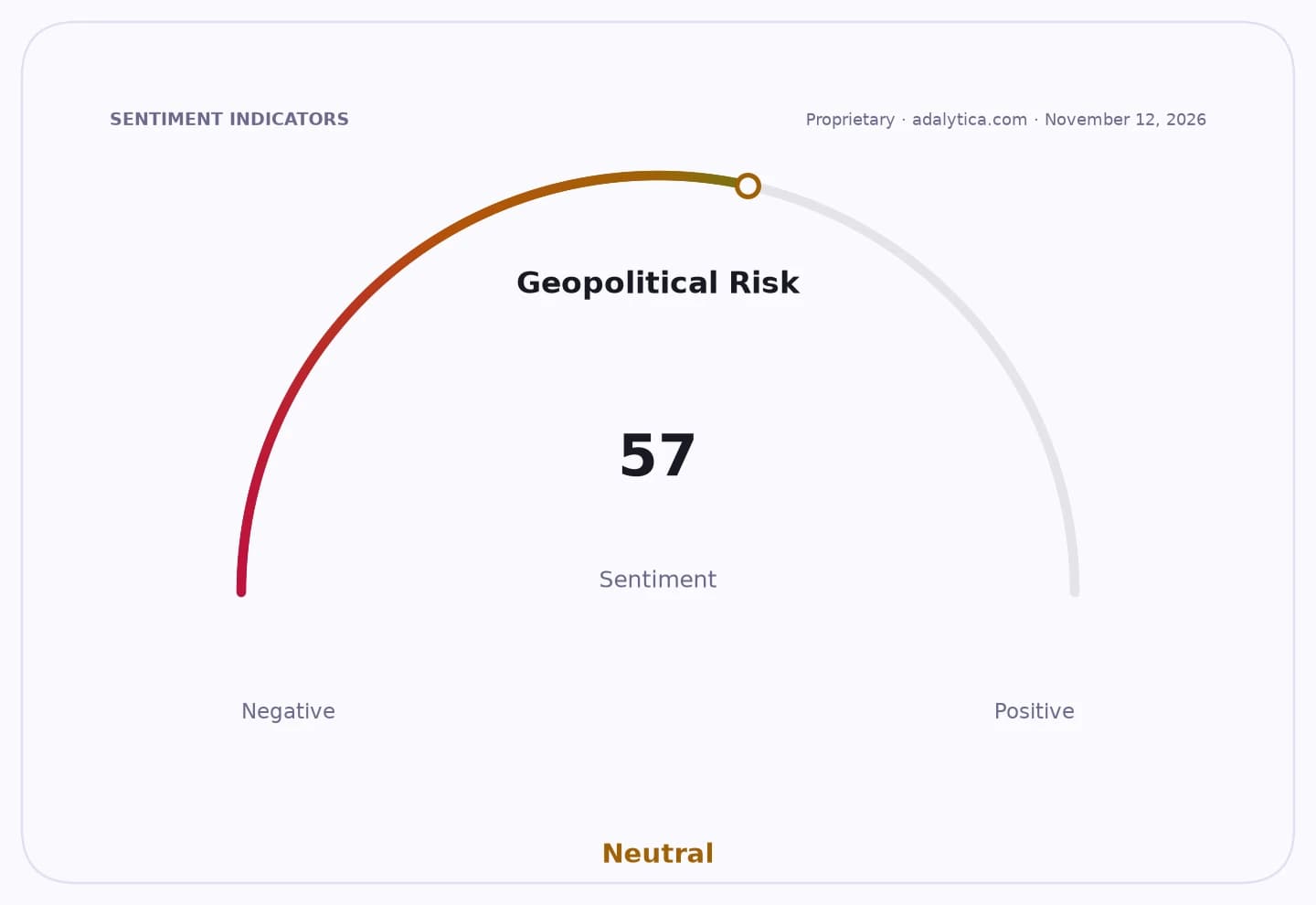
Sentiment Indicators
That matters because utilities sit at the base of the economy. When heat and power fail, industrial output, school attendance, local commerce and municipal finances all take a hit. Repeated outages also expose how little buffer remains in the system: in Bodaybo, a town of about 12,000, only five specialists and one vehicle were available to respond when temperatures fell to around minus 20 degrees. In the far east, more than 25,000 people in Vladivostok lost heat and hot water, while in the south, an outage at a Rostov-on-Don thermal plant affected a large residential district of roughly 180,000 to 187,000 people.
The pattern is what should worry investors and policymakers most. This is not a single accident. It is a rolling stress test of an overworked asset base. In Ivanovo, Tver, Irkutsk and Serpukhov, the failures are hitting apartment blocks, schools and kindergartens. In Belgorod and Ryzan, drone attacks have added another layer of damage to already fragile networks. In the Russian Far East and Siberia, storms and deep cold are amplifying the risk. The result is a self-reinforcing cycle: outages trigger emergency repairs, repairs are underfunded, and the next freeze produces another failure.
For investors, the message is two-sided. On one hand, Russia’s utility crisis is a clear negative for domestic consumption, municipal stability and any business tied to dependable infrastructure. On the other, it strengthens the long-term case for the industrial and energy-adjacent firms that can benefit from a forced cycle of replacement spending, if and when the state follows through. The market is underestimating how much capex will be needed just to keep systems functioning, with officials themselves citing infrastructure wear of up to 80% in some regions and trillions of rubles required for modernization.
That spending pressure is now filtering straight into household budgets. Utility bills have already risen sharply, with further increases planned over the next three years. But higher tariffs do not solve the core problem if the proceeds merely fund patchwork repairs rather than full-scale renewal. In that sense, the real trade here is not between cheap and expensive heat — it is between a deteriorating system and the capital required to rebuild it.
The investable implication is that utility failure is no longer a background Russia risk; it is becoming part of the country’s economic operating reality. As winter deepens, the frequency of outages will likely keep rising, along with political pressure on regional authorities and households. The market should treat Russia’s коммунальный crisis as a sign of systemic stress that will widen disparities between regions, raise social costs and force a larger eventual reckoning with infrastructure replacement.
| Entity | Gains | Losses |
|---|---|---|
| Utility repair contractors | ▲Emergency work demand | ▼Long-term trust |
| Russian households | ▲None | ▼Heat, power, money |
| Regional governments | ▲Budget urgency | ▼Political credibility |
| State utilities | ▲Tariff revenue | ▼Public confidence |