A winter power shortage or emergency utility order can force households to lose heat even before a freeze sets in, and that risk is becoming more relevant as regulators, weather and energy markets all move at once.
Utilities Sector Rises as Winter Risk Builds

For investors, the bigger story is not just whether a utility can shut off service. It is that the utility business is being squeezed between rising system costs, volatile fuel and power markets, and the political pressure to keep bills affordable. That tension matters because utilities are supposed to be the market’s defensive corner: steady cash flow, predictable demand and reliable dividends. When reliability becomes a policy flashpoint, the sector can still be a compounding machine, but it is no longer a simple bond substitute.
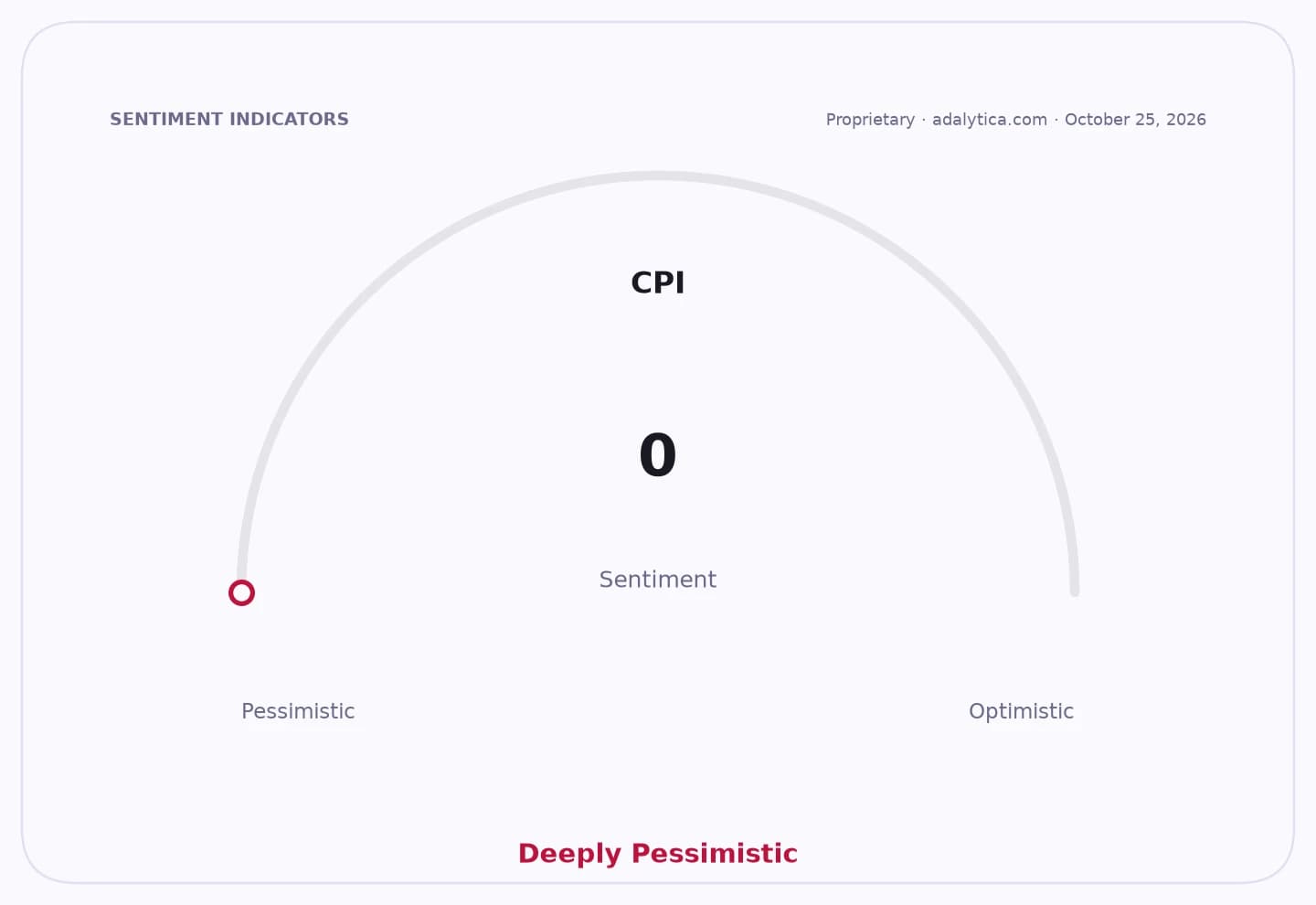
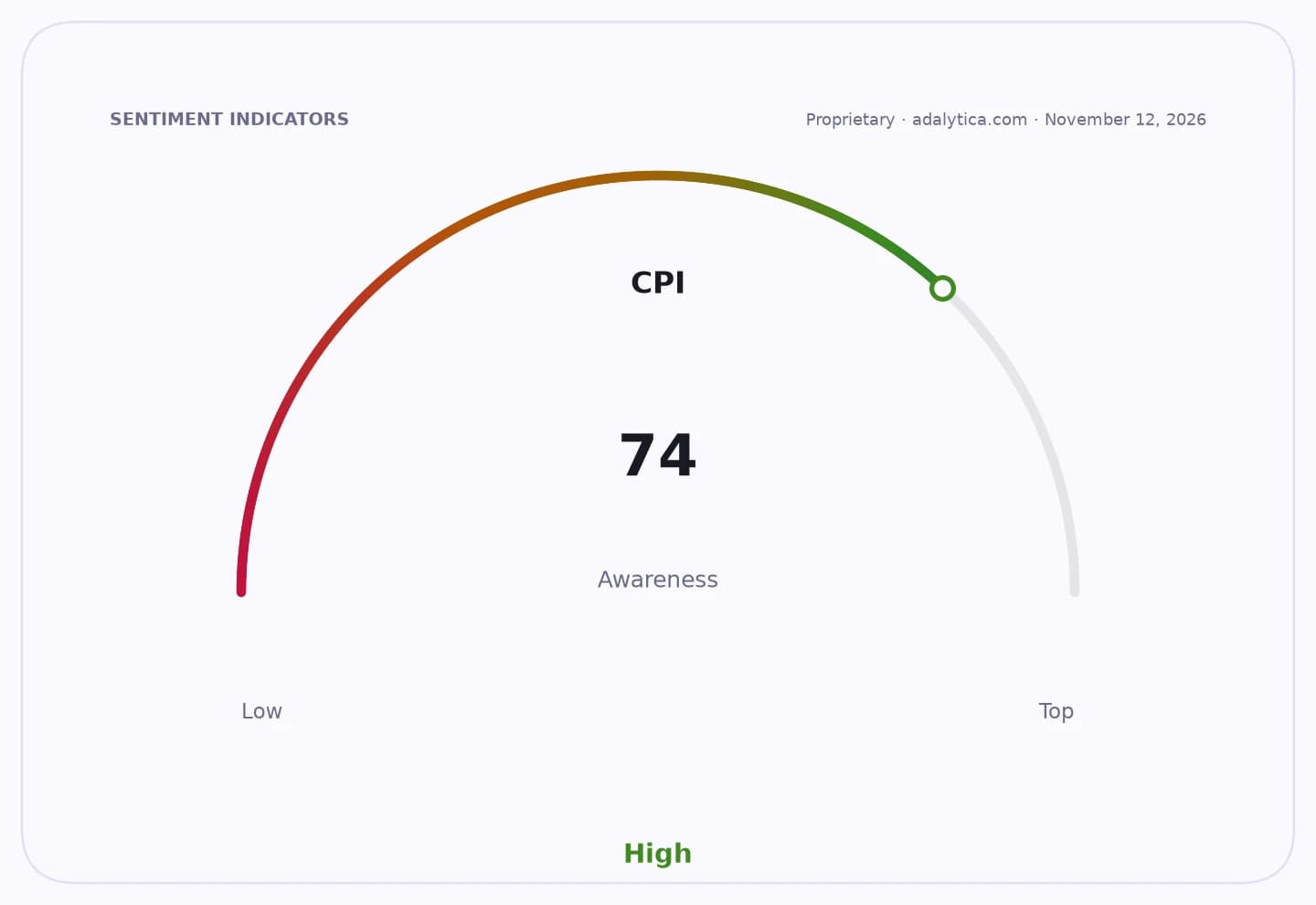
Sentiment Indicators
The macro backdrop helps explain why. Consumer prices are still climbing, with the latest CPI reading at 337.476 in October and a forecast of 338.6475 for November, while the 10-year Treasury yield sits around 4.84% to 4.88%. Unemployment remains low at 4.1%, but that mix of sticky prices and high rates keeps pressure on regulated utilities’ financing costs. At the same time, investor appetite has shifted toward safety: Adalytica’s TLT trade signal shows extreme greed in Treasuries, while the dollar signal also sits in extreme greed territory. In plain English, markets are still hunting for protection.
That makes utilities interesting, not boring. The Utilities Select Sector SPDR Fund, XLU, has climbed to 43.73, above its 50-day moving average of 41.74 and just below its 200-day average of 43.85. Its RSI reading near 68.5 suggests the sector has momentum, even if it is not cheap or washed out. Dominion Energy, ticker D, has also strengthened, closing at 68.37 and trading comfortably above both its 50-day and 200-day averages. Those moves suggest investors are leaning into regulated cash flows as a defensive trade, especially with winter demand about to test the grid.
Natural gas is another key piece of the story. UNG, the natural gas ETF, has rebounded to 10.42 after a sharp early-November dip, with its RSI recovering to 58.8. That matters because heating costs, gas supply and power generation prices all feed into utility economics. If gas stays volatile, utilities face a tougher balancing act: keep systems reliable, avoid politically explosive bill increases and still earn an acceptable return on the capital they spend to harden infrastructure.
The business risk goes beyond weather. Utilities’ filings increasingly flag storms, outages, cyberattacks and equipment failures as material threats. That is not just legal boilerplate. A utility that cannot protect its control systems, whether from extreme cold, cyber intrusion or a physical grid failure, may be forced into emergency load management that leaves customers without heat or power. The recent supermarket refrigeration hack in Europe is a reminder that critical infrastructure failures can ripple through daily life fast and create real economic losses.
For long-term investors, the takeaway is straightforward. Utilities can still be a solid place to compound wealth, but the sector’s safety profile depends on execution, regulation and resilience, not just dividend yield. In an inflationary, high-rate world, the best utilities are the ones investing ahead of the curve in grid hardening, gas system reliability and cybersecurity. If you own the sector for income, keep it diversified and think in years, not weeks. If you do not own it yet, this is a useful reminder that even defensive stocks can face very real operational risk — worth watching, but only as part of a broader, patient portfolio.
| Entity | Gains | Losses |
|---|---|---|
| Regulated utilities | ▲Higher allowed returns, rate-base growth | ▼Political heat over affordability |
| Consumers | ▲Better grid reliability over time | ▼Higher bills, possible outages |
| XLU holders | ▲Defensive income, steady demand | ▼Rate pressure, valuation swings |
| Natural gas producers/traders | ▲Winter demand, volatility | ▼Demand shocks if weather stays mild |